Pea shoots + Red clover
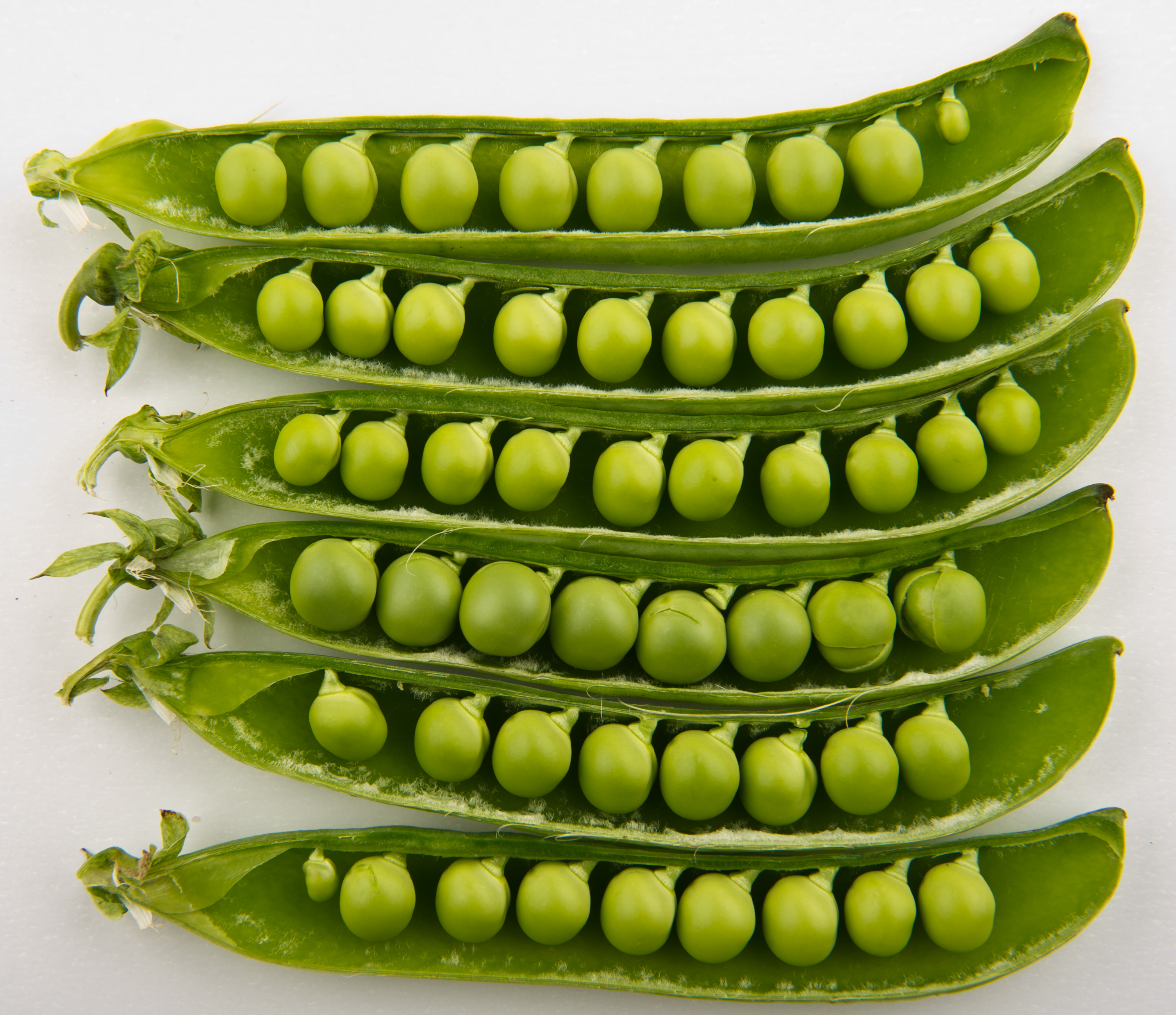
Pea shoots have long been prominent in Asian cuisine, but they're one of the newer ingredients showing up in U.S. farmer's markets.Their soft leaves, curly-cue tendrils and watery stems hold the promise of spring peas to come. But even better than that, they hold the flavor of them, too.And one of the reasons home cooks are taking to them (apart from their flavor) is because they're rich in nutrients.

Red clover is a herbaceous, short-lived perennial plant, variable in size, growing to 20–80 cm (8–31 in) tall. The red clover is native to Europe, Western Asia, and northwest Africa.Red clover’s flowers and leaves are edible, and can be added as garnishes to any dish.The flowers often are used to make jelly and tisanes, and are used in essiac recipes.
Shared flavor compounds
These compounds appear in both Pea shoots and Red clover, giving them a molecular basis for flavor affinity, the pairing principle articulated by Francois Benzi and implemented in flavor-pairing research.
Why it works
The flavor-pairing hypothesis proposes that ingredients sharing significant aromatic compounds harmonize on the palate. Pea shoots and Red clover overlap on 20 key compound(s), which is why classic culinary traditions, and our deterministic matching algorithm, place them together.
- Pairing computed by: pairing-compute
- Methodology: deterministic compound-overlap matching (no LLM)
- Compound data: Wikidata + Wikidata
- Part of: Living Gastronomic Intelligence graph