Breadnut tree seed + Devilfish
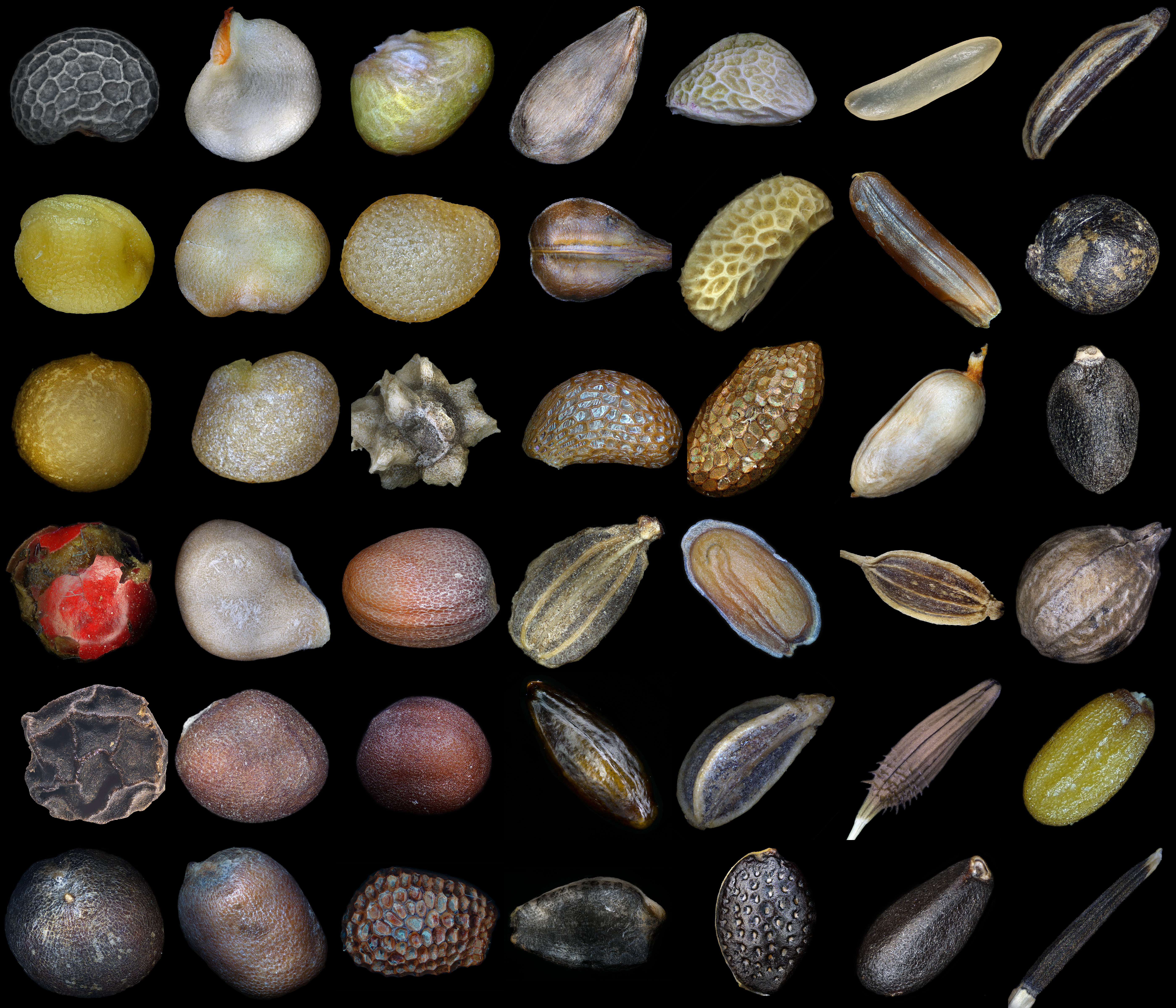
Brosimum alicastrum, the breadnut or Maya nut, is a Brosimum tree species under the Moraceae family of flowering plants, whose other genera include fig and mulberries The plant is known by a range of names in indigenous Mesoamerican and other languages, including but not limited to: ramon,ojoche, ojite, ojushte, ujushte, ujuxte, capomo, mojo, ox, iximche, masica in Honduras, uje in Michoacan, and mojote in Jalisco. Two subspecies are commonly recognized: Brosimum alicastrum ssp. alicastrum Brosimum alicastrum ssp. bolivarense Distribution and habitat: The west coast of central Mexico, southern Mexico, Guatemala, El Salvador, the Caribbean, and the Amazon. Large stands in moist lowland tropical forests 300–2000 m elevation (especially 125–800 m), in humid areas where rainfall of 600–2000 mm, and average temperature 24 C / 75 F. The breadnut fruit disperses on the ground at different times throughout its range. It has a large seed covered by a thin, citrus-flavored orange-colored skin favored by a number of forest creatures. More important, the large seed which is enveloped by the tasty skin is an edible ‘nut’ that can be boiled or dried and ground into a meal for porridge or flatbread. Breadnut is nutritious and has value as a food source, and formed a part of the diet of the pre-Columbian Maya of the lowlands region in Mesoamerica, although to what extent has been a matter of some debate among Maya historians and archaeologists. It was planted by the Maya civilization two thousand years ago and it has been claimed in several articles by Dennis E. Puleston to have been a staple food in the Maya diet, although other research has downplayed its significance. In the modern era it has been marginalized as a source of nutrition and has often been characterized as a famine food. The breadnut is extremely high in fiber, calcium, potassium, folic acid, iron, zinc, protein and B vitamins. It has a low glycemic index (<50) and is very high in antioxidants. The fresh seeds can be cooked and eaten or can be set out to dry in the sun to roast and eaten later. Stewed the nut tastes like mashed potato, roasted it tastes like chocolate or coffee and can be prepared in numerous other dishes. In Petén, Guatemala, the breadnut is being cultivated for exportation and local consumption as powder, for hot beverages, and bread. The tree can reach up to 45 meters (130 feet). The tree lends its name to the Maya archaeological sites of Iximché and Topoxte, both in Guatemala and also of Tamuin (reflecting the Maya origin of the Huastec peoples). It is one of the twenty dominant species of the Maya forest. Of the dominant species, it is the only one that is wind-pollinated. It is also found in traditional Maya forest gardens.
<i>Myoxocephalus</i> is a genus of fish in the sculpin family Cottidae. Most species live in marine waters, but there are also three freshwater species, including two that occupy northern lakes (<i>Myoxocephalus quadricornis</i> and <i>M. thompsonii</i>). The name is derived from Greek <i>myos</i> (muscle) and <i>kephale</i> (head). (Wikipedia)
Shared flavor compounds
These compounds appear in both Breadnut tree seed and Devilfish, giving them a molecular basis for flavor affinity, the pairing principle articulated by Francois Benzi and implemented in flavor-pairing research.
Why it works
The flavor-pairing hypothesis proposes that ingredients sharing significant aromatic compounds harmonize on the palate. Breadnut tree seed and Devilfish overlap on 20 key compound(s), which is why classic culinary traditions, and our deterministic matching algorithm, place them together.
- Pairing computed by: pairing-compute
- Methodology: deterministic compound-overlap matching (no LLM)
- Compound data: Wikidata + Wikidata
- Part of: Living Gastronomic Intelligence graph