Eastern oyster + American lobster
The eastern oyster (Crassostrea virginica) — also called Atlantic oyster or Virginia oyster — is a species of true oyster native to the eastern seaboard and Gulf of Mexico coast of North America. It is also farmed in Puget Sound, Washington, where it is known as the Totten Inlet Virginica. Eastern oysters are and have been very popular commercially. Today, less than 1% of the original 17th century population (when the original colonists arrived) is thought to remain in the Chesapeake Bay and its tributaries, although population estimates from any era are uncertain. The eastern oyster is the state shellfish of Connecticut, its shell is the state shell of Virginia and Mississippi, and its shell in cabochon form is the state gem of Louisiana.
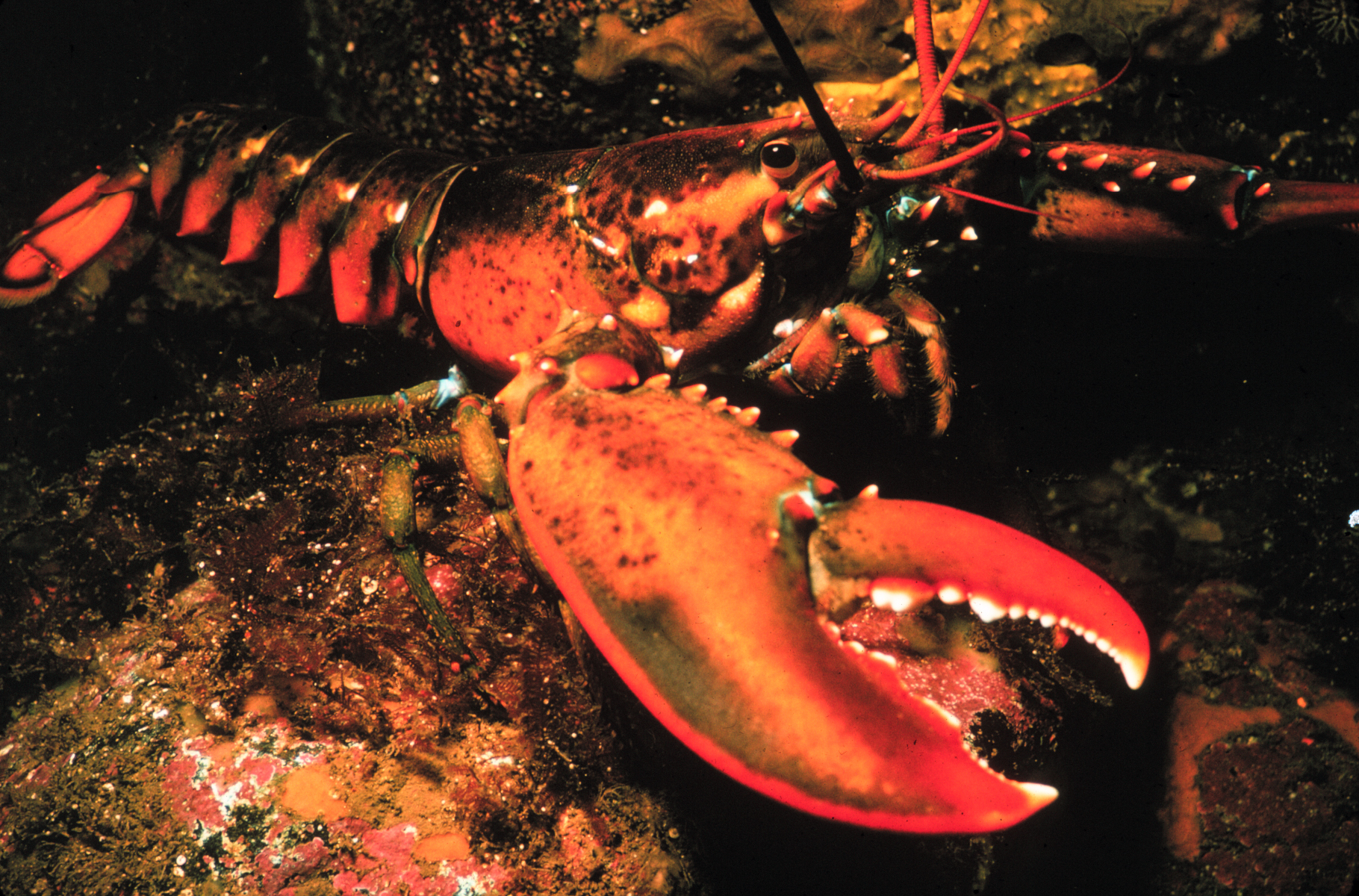
The American lobster, Homarus americanus, is a species of lobster found on the Atlantic coast of North America, chiefly from Labrador to New Jersey. Within North America, it is also known as the northern lobster or Maine lobster. It can reach a body length of 64 cm, and a mass of over 20 kilograms, making it the heaviest crustacean in the world. Its closest relative is the European lobster Homarus gammarus, which can be distinguished by its coloration and the lack of spines on the underside of the rostrum. American lobsters are usually bluish green to brown with red spines, but a number of color variations have been observed.
Shared flavor compounds
These compounds appear in both Eastern oyster and American lobster, giving them a molecular basis for flavor affinity, the pairing principle articulated by Francois Benzi and implemented in flavor-pairing research.
Why it works
The flavor-pairing hypothesis proposes that ingredients sharing significant aromatic compounds harmonize on the palate. Eastern oyster and American lobster overlap on 18 key compound(s), which is why classic culinary traditions, and our deterministic matching algorithm, place them together.
- Pairing computed by: pairing-compute
- Methodology: deterministic compound-overlap matching (no LLM)
- Compound data: Wikidata + Wikidata
- Part of: Living Gastronomic Intelligence graph