Molecular structure
11b,13-Dihydrolactucin
Foods containing this compound
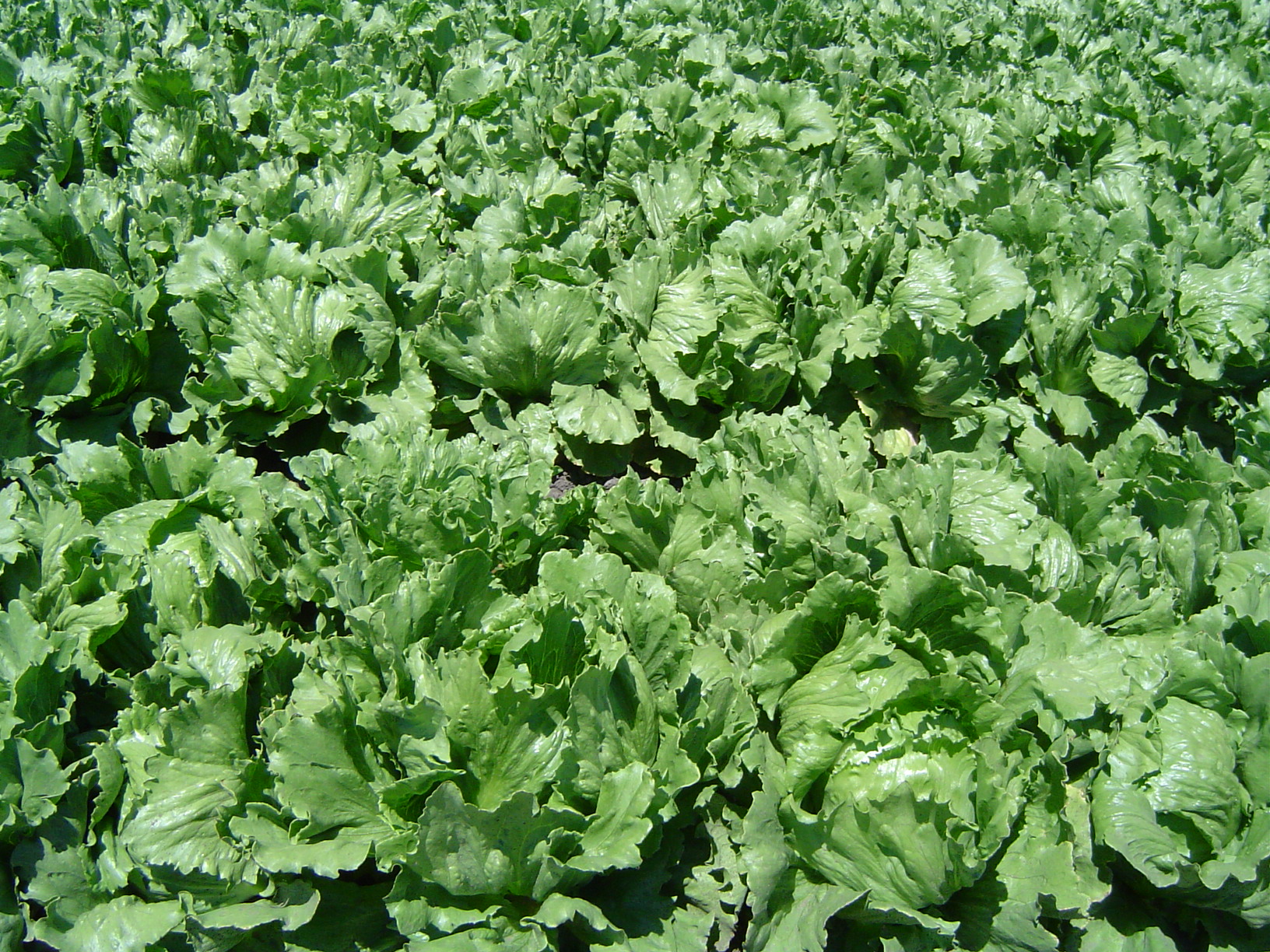


Endive, Cichorium endivia, is a leaf vegetable belonging to the daisy family. Endive can be cooked or used raw in salads. Endive is rich in many vitamins and minerals, especially in folate and vitamins A and K, and is high in fiber. There are two main varieties of cultivated C. endivia endive: (1) Curly endive, or frisée (var crispum). This type has narrow, green, curly outer leaves. It is sometimes called chicory in the United States and is called chicorée frisée in French. Further confusion results from the fact that frisée also refers to greens lightly wilted with oil. (2) Escarole, or broad-leaved endive (var latifolia), has broad, pale green leaves and is less bitter than the other varieties. Varieties or names include broad-leaved endive, Bavarian endive, Batavian endive, grumolo, scarola, and scarole. It is eaten like other greens, sauteed, chopped into soups and stews, or as part of a green salad (Wikipedia).

Common chicory, Cichorium intybus, is a somewhat woody, perennial herbaceous plant usually with bright blue flowers, rarely white or pink. Many varieties are cultivated for salad leaves, chicons (blanched buds), or for roots (var. sativum), which are baked, ground, and used as a coffee substitute and additive. It is also grown as a forage crop for livestock. It lives as a wild plant on roadsides in its native Europe, and in North America and Australia, where it has become widely naturalized.

Romaine or cos lettuce is a variety of lettuce (<i>Lactuca sativa</i> L. var. <i>longifolia</i>) that grows in a tall head of sturdy leaves with firm ribs down their centers. Unlike most lettuces, it is tolerant of heat. As with other dark leafy greens, the antioxidants contained within romaine lettuce are believed to help prevent cancer. (Wikipedia)
Around 50 AD, lettuce leaves were often cooked and served by the Romans with an oil-and-vinegar dressing; however, smaller leaves were sometimes eaten raw. During the 81?96 AD reign of Domitian, the tradition of serving a lettuce salad before a meal began. Post-Roman Europe continued the tradition of poaching lettuce, mainly with large romaine types, as well as the method of pouring a hot oil and vinegar mixture over the leaves. Today, the majority of lettuce is grown for its leaves, although one type is grown for its stem and one for its seeds, which are made into an oil. Most lettuce is used in salads, either alone or with other greens, vegetables, meats and cheeses. Romaine lettuce is often used for Caesar salads, with a dressing that includes anchovies and eggs. Lettuce leaves can also be found in soups, sandwiches and wraps, while the stems are eaten both raw and cooked. The consumption of lettuce in China developed differently from in Western countries, due to health risks and cultural aversion to eating raw leaves. In that country, "salads" were created from cooked vegetables and served hot or cold. Lettuce was also used in a larger variety of dishes than in Western countries, contributing to a range of dishes including bean curd and meat dishes, soups and stir-frys plain or with other vegetables. Stem lettuce, widely consumed in China, is eaten either raw or cooked, the latter primarily in soups and stir-frys.

Verified Data
Compound identity and culinary context are continuously cross-referenced across open scientific databases and maintained by Foodgeist's enrichment pipeline.
The Geist can be wrong. Some flavor, taste, and pairing values are model-predicted, not lab-measured.