About
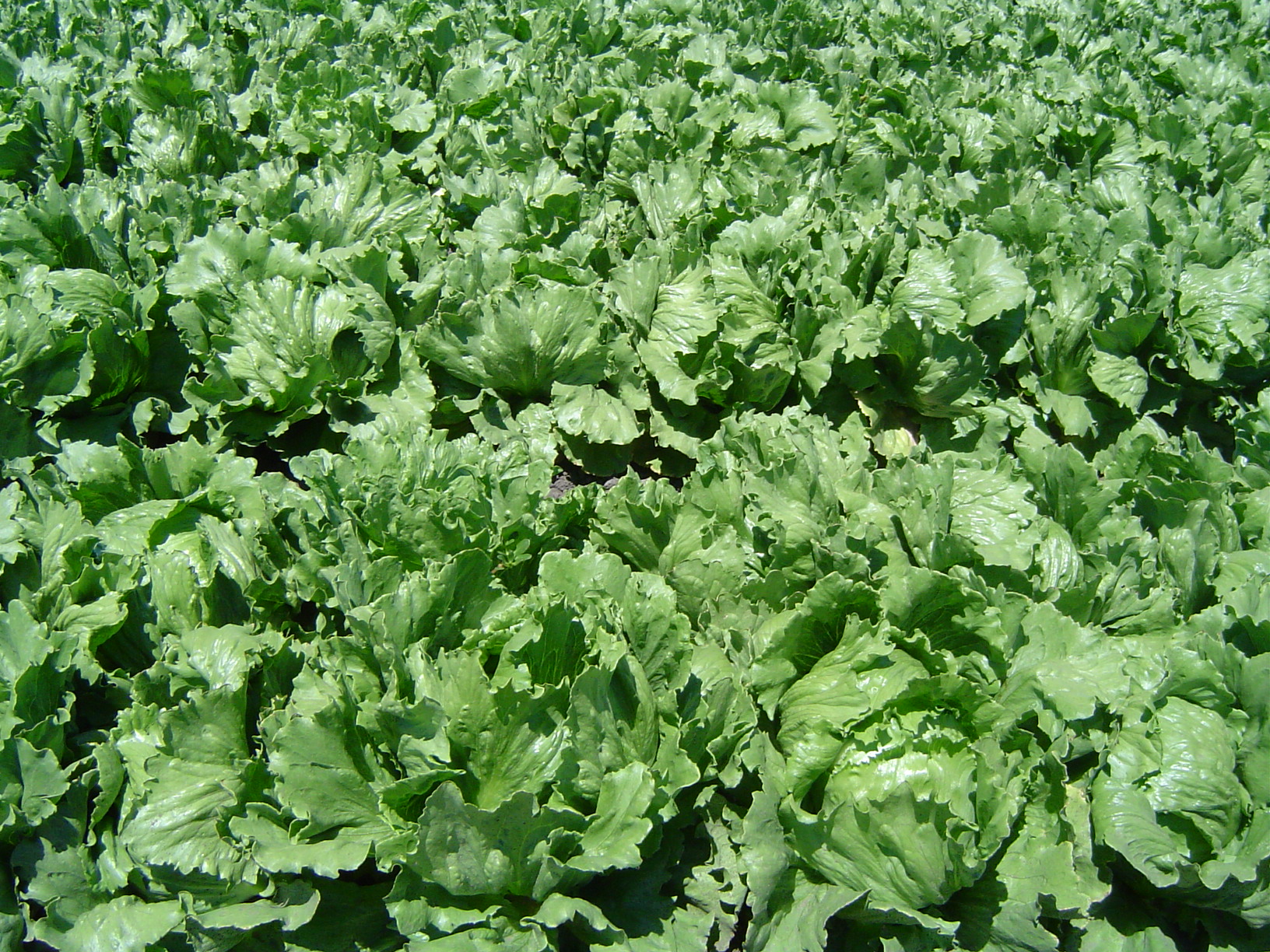
Around 50 AD, lettuce leaves were often cooked and served by the Romans with an oil-and-vinegar dressing; however, smaller leaves were sometimes eaten raw. During the 81?96 AD reign of Domitian, the tradition of serving a lettuce salad before a meal began. Post-Roman Europe continued the tradition of poaching lettuce, mainly with large romaine types, as well as the method of pouring a hot oil and vinegar mixture over the leaves. Today, the majority of lettuce is grown for its leaves, although one type is grown for its stem and one for its seeds, which are made into an oil. Most lettuce is used in salads, either alone or with other greens, vegetables, meats and cheeses. Romaine lettuce is often used for Caesar salads, with a dressing that includes anchovies and eggs. Lettuce leaves can also be found in soups, sandwiches and wraps, while the stems are eaten both raw and cooked. The consumption of lettuce in China developed differently from in Western countries, due to health risks and cultural aversion to eating raw leaves. In that country, "salads" were created from cooked vegetables and served hot or cold. Lettuce was also used in a larger variety of dishes than in Western countries, contributing to a range of dishes including bean curd and meat dishes, soups and stir-frys plain or with other vegetables. Stem lettuce, widely consumed in China, is eaten either raw or cooked, the latter primarily in soups and stir-frys.
Aroma profile
Derived from this ingredient’s flavor compounds
Taste profile
Derived from this ingredient's compounds · measured taste classes
Composition
60 compounds identified — cross-referenced scientific databases
Best pairings
Ranked across every axis at once: shared flavor chemistry, real-recipe co-use, novel-discovery, and nutrient synergy. Pairs agreeing on two or more axes lead.
Commonly combined
Frequently used together in real recipes — ranked by how specifically these ingredients appear together
Research Evidence
The Geist can be wrong. Some flavor, taste, and pairing values are model-predicted, not lab-measured.