Molecular structure
3-hydroxy-eicosatrienoyl-CoA
Foods containing this compound

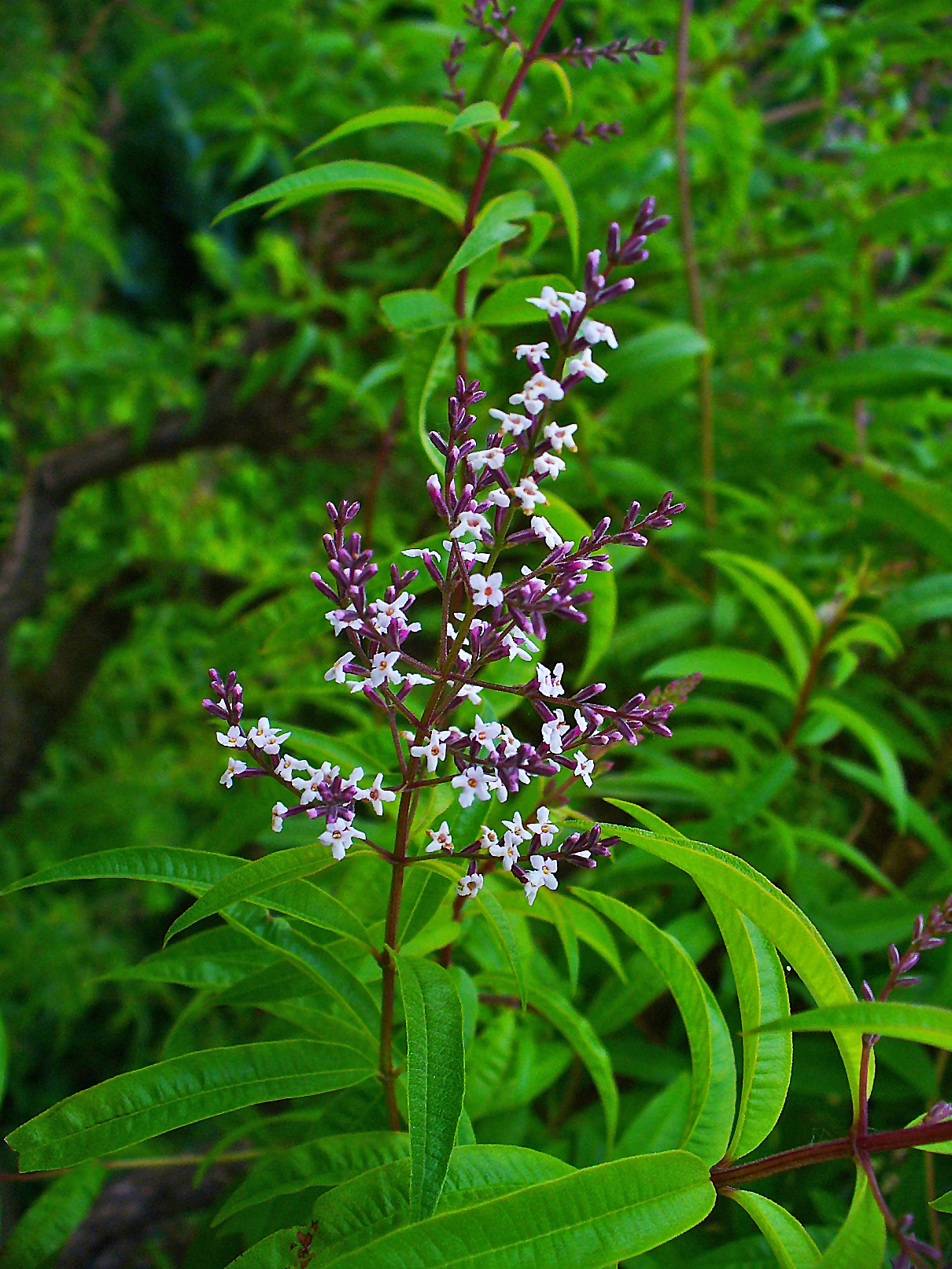
Aloysia citrodora is a species of flowering plant in the verbena family Verbenaceae, native to northwestern Argentina and southern Bolivia. Common names include lemon verbena and lemon beebrush. It was brought to Europe by the Spanish and the Portuguese in the 17th century.

Lippia graveolens, a species of flowering plant in the verbena family, Verbenaceae, is native to the southwestern United States (Texas and southern New Mexico), Mexico, and Central America as far south as Nicaragua. Common names include Mexican oregano, redbrush lippia, orégano Cimmaron, scented lippia, and scented matgrass.

The lychee (Litchi chinensis) (Chinese: ??; pinyin: lì zh?) is the sole member of the genus Litchi in the soapberry family, Sapindaceae. It is a tropical and subtropical fruit tree native to the Guangdong and Fujian provinces of China, and now cultivated in many parts of the world. The fresh fruit has a "delicate, whitish pulp" with a floral smell and a fragrant, sweet flavor. Since this perfume-like flavor is lost in the process of canning, the fruit is usually eaten fresh.
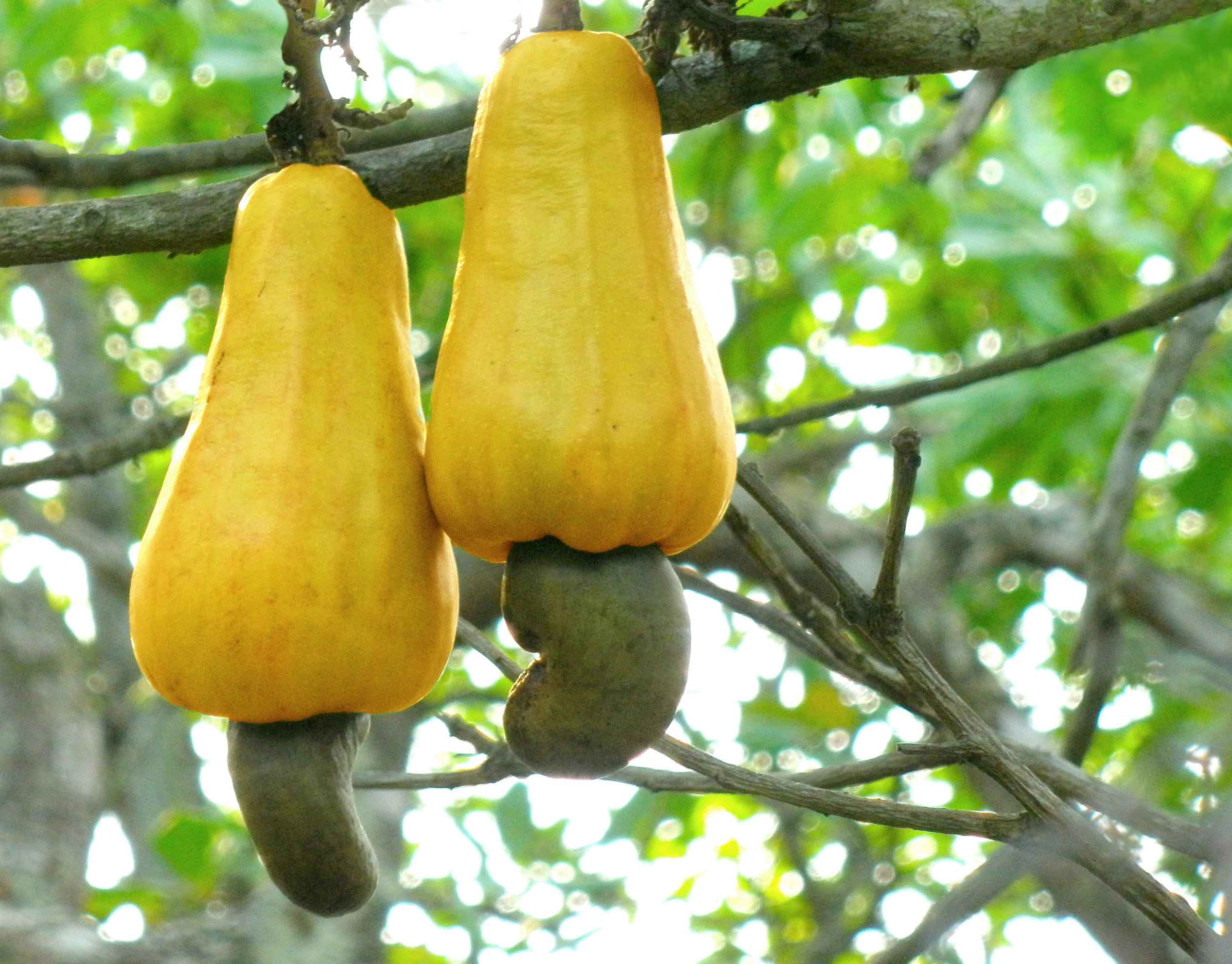
The cashew, or caju, is a small tree native to Brazil. Cashew nuts are the seeds of the cashew apple, and are found in the grey bump at the end of the fruit. The cashew apple itself is sweet, soft and juicy.Cashews are usually sold roasted and salted and eaten as a snack.
Phaseolus coccineus, known as runner bean, scarlet runner bean, or multiflora bean, is a plant in the Fabaceae family. Runner beans have also been called "Oregon Lima Bean", and in Nahuatl "ayocotl" or in Spanish "ayocote". It differs from the common bean (P. vulgaris) in several respects: the cotyledons stay in the ground during germination, and the plant is a perennial vine with tuberous roots (though it is usually treated as an annual). This species originated from the mountains of Central America. Most varieties have red flowers and multicolored seeds (though some have white flowers and white seeds), and they are often grown as ornamental plants.
Aronia, the chokeberries, are deciduous shrubs in the family Rosaceae, native to eastern North America and most commonly found in wet woods and swamps. The genus is usually considered to contain two or three species, one of which is naturalized in Europe. A fourth form that has long been cultivated under the name Aronia is now considered to be an intergeneric hybrid, Sorbaronia mitschurinii.
Custard apple, is a common name for a fruit, and the tree which bears it, Annona reticulata Custard apple may also refer to similar fruits produced by related trees: Annonaceae, the custard apple or soursop family. Annona cherimola, a tree and fruit also called cherimoya. Annona squamosa, a tree and fruit also called sugar apple or sweetsop Annona senegalensis, a tree and fruit called wild custard-apple Casimiroa edulis, also called white sapote, a fruit related to the citrus.
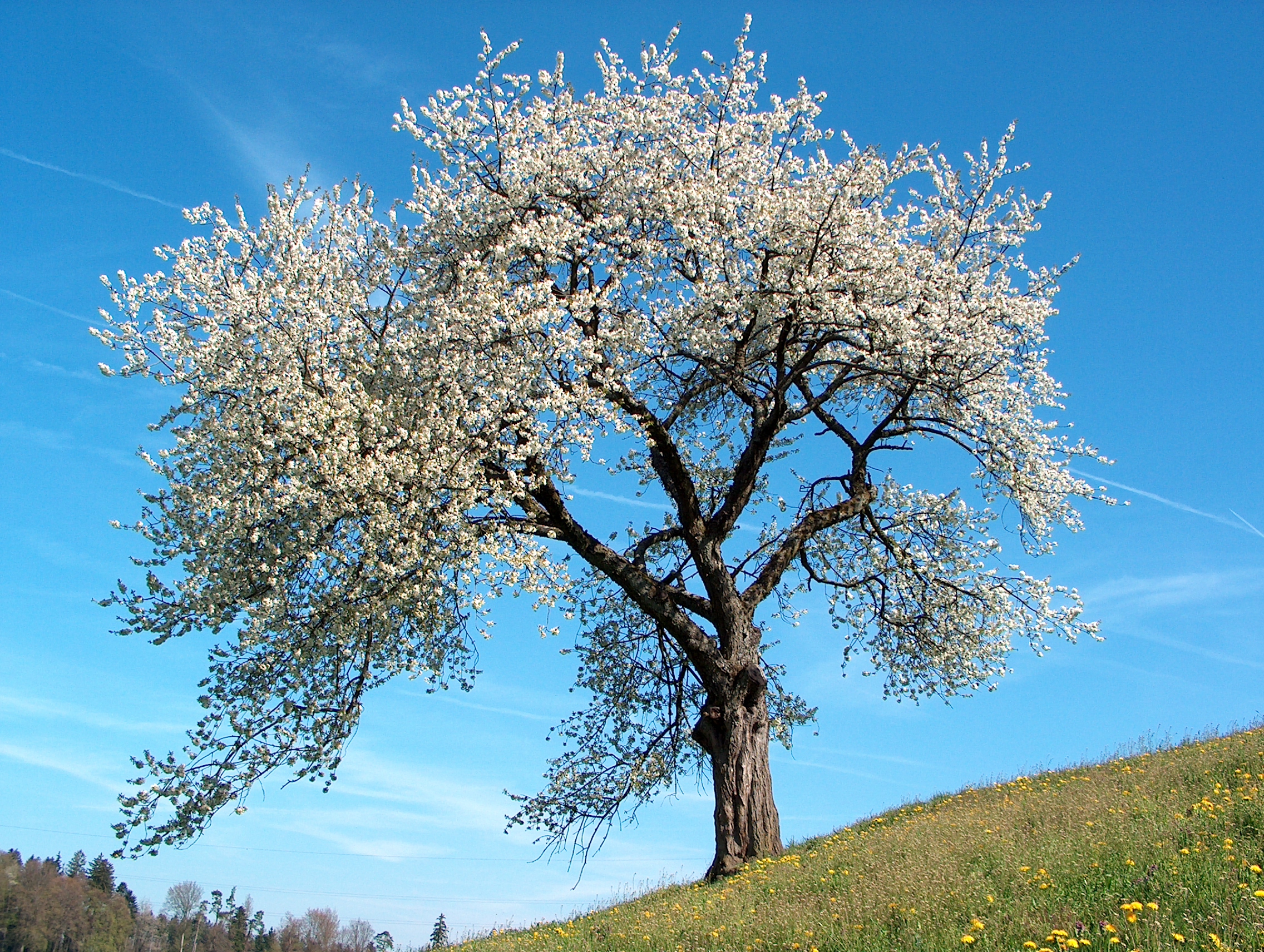
Prunus is a genus of trees and shrubs, which includes the plums, cherries, peaches, nectarines, apricots and almonds. Around 430 species are spread throughout the northern temperate regions of the globe. Many members of the genus are widely cultivated for fruit and ornament. The fruit from this genus are commonly called the stone fruit.


Savoy cabbage (Brassica oleracea convar. capitata var. sabauda L. ) is a variety of the cabbage, a cultivar of the plant species Brassica oleracea. Savoy cabbage is a winter vegetable. A variety of the savoy cabbage is the January King Cabbage. Savoy cabbage can be used in a variety of recipes. It pairs well with red wine, apples, spices, horseradish and meat. It can be used for roulades, in stews and soups, as well as roasted plain and drizzled with olive oil. Cabbage that is heavy for its size with leaves that are unblemished and have a bright, fresh look are signs of desirable quality. Whole cabbages are preferred whenever possible as pre-cut or preshredded cabbage has a greatly diminished vitamin content. Peak season for most cabbages runs from November through April. Fresh whole cabbage will keep in the refrigerator for one to six weeks depending on type and variety. Hard green, white or red cabbages will keep the longest while the looser Savoy and Chinese varieties need to be consumed more quickly. It is necessary to keep the outer leaves intact without washing when storing since moisture hastens decay. Cabbage provides fiber, vitamins A, C, K and B6, folate, potassium, manganese, thiamin, calcium, iron and magnesium.


Averrhoa carambola is a species of woody plant in the family Oxalidaceae; it has a number of common names including Carambola and Starfruit. This evergreen tree is native to Southeast Asia and the Indian Subcontinent. A. carambola is a small tree or shrub that grows 5–12 meters tall, with rose to red-purple flowers. The flowers are small and bell-shaped, with five petals that have whitish edges. The flowers are often produced year round under tropical conditions. The tree is cultivated in tropical and semitropical regions for its edible fruits and for medicinal uses.
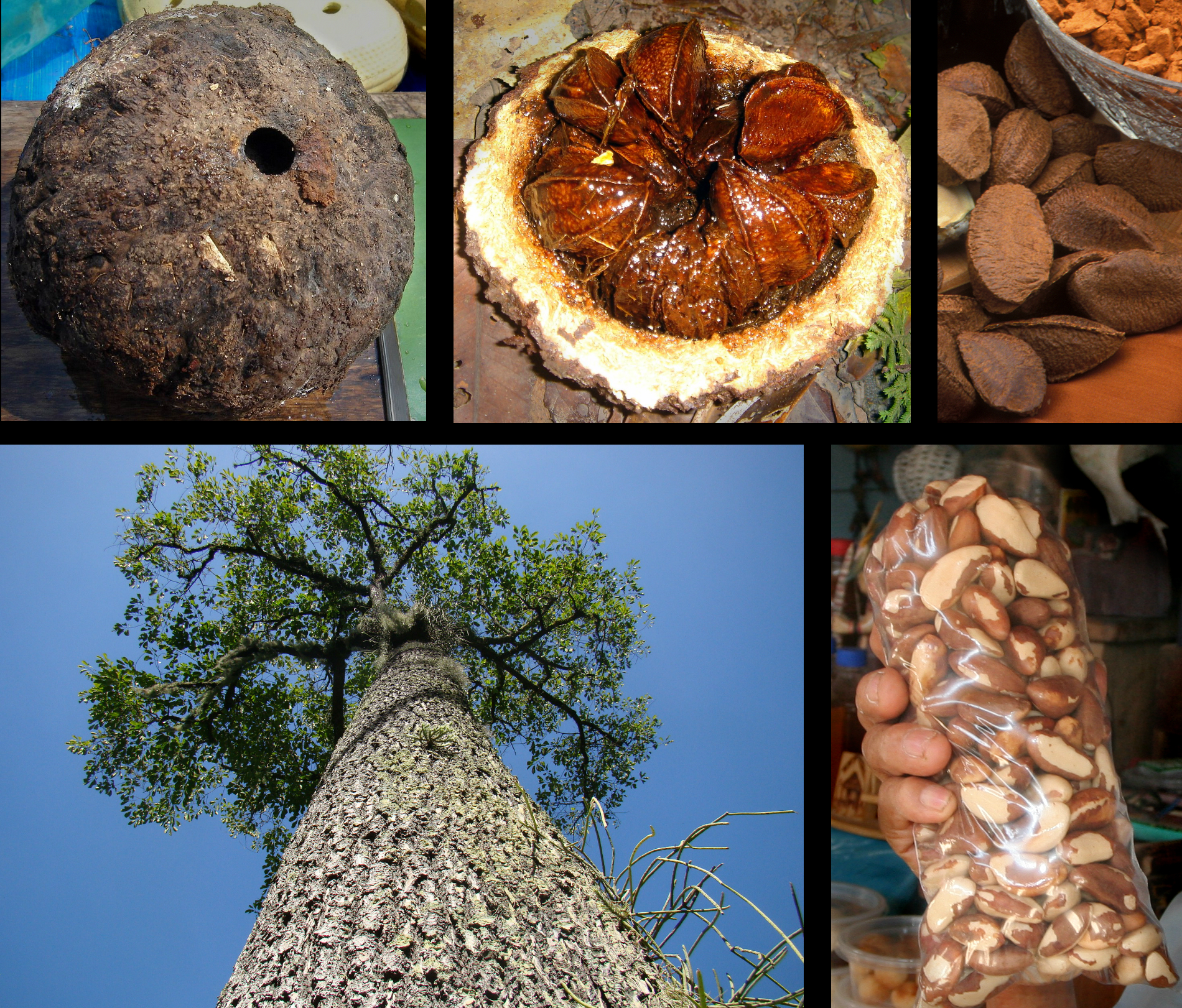
The Brazil nut (Bertholletia excelsa) is a South American tree in the family Lecythidaceae, and also the name of the tree's commercially harvested edible seed.


Brassica oleracea is the species of plant that includes many common foods as cultivars, including cabbage, broccoli, cauliflower, kale, Brussels sprouts, savoy, and Chinese kale. In its uncultivated form it is known as wild cabbage. It is native to coastal southern and western Europe. Its tolerance of salt and lime and its intolerance of competition from other plants typically restrict its natural occurrence to limestone sea cliffs, like the chalk cliffs on both sides of the English Channel.

The burbot (Lota lota) or bubbot is the only gadiform (cod-like) freshwater fish. Also known as mariah, the lawyer, and (misleadingly) eelpout, the burbot is closely related to the marine common ling and the cusk. It is the only member of the genus Lota.

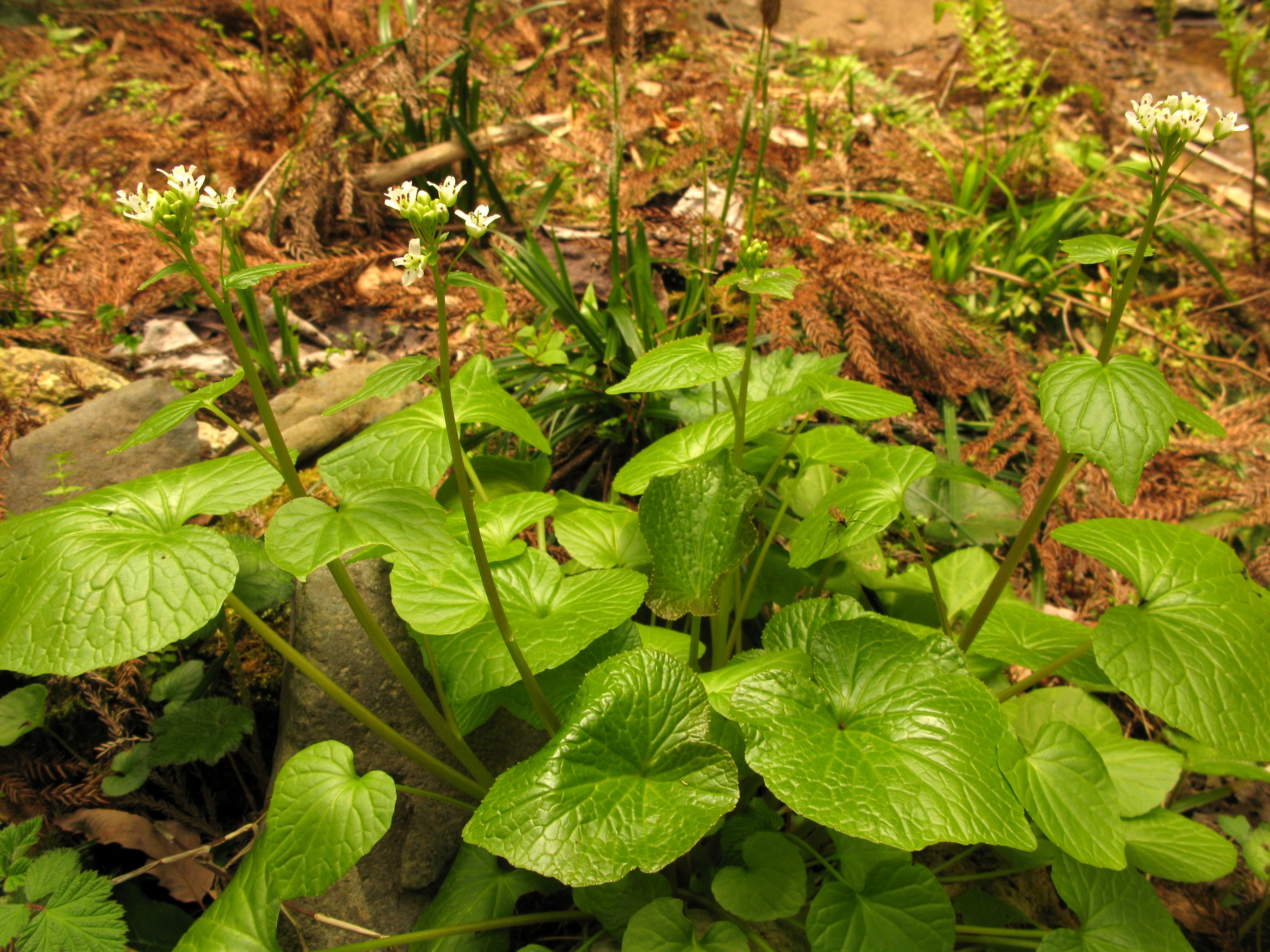
Petasites japonicus, also known as Fuki, bog rhubarb, or giant butterbur, is an herbaceous perennial plant in the family Asteraceae. It is native to Japan, where the spring growth is used as a vegetable. It has also been introduced to southern British Columbia by Japanese immigrants.

Cassava (also called yuca, mogo, or manioc) is a woody shrub cultivated in tropical and subtropical regions for its edible starchy tuberous root, a major source of carbohydrates. It differs from the similarly-spelled yucca, an unrelated fruit-bearing plant. Cassava, when dried to a starchy, powdery (or pearly) extract is called tapioca, while its fermented, flaky version is named garri. [Wikipedia]
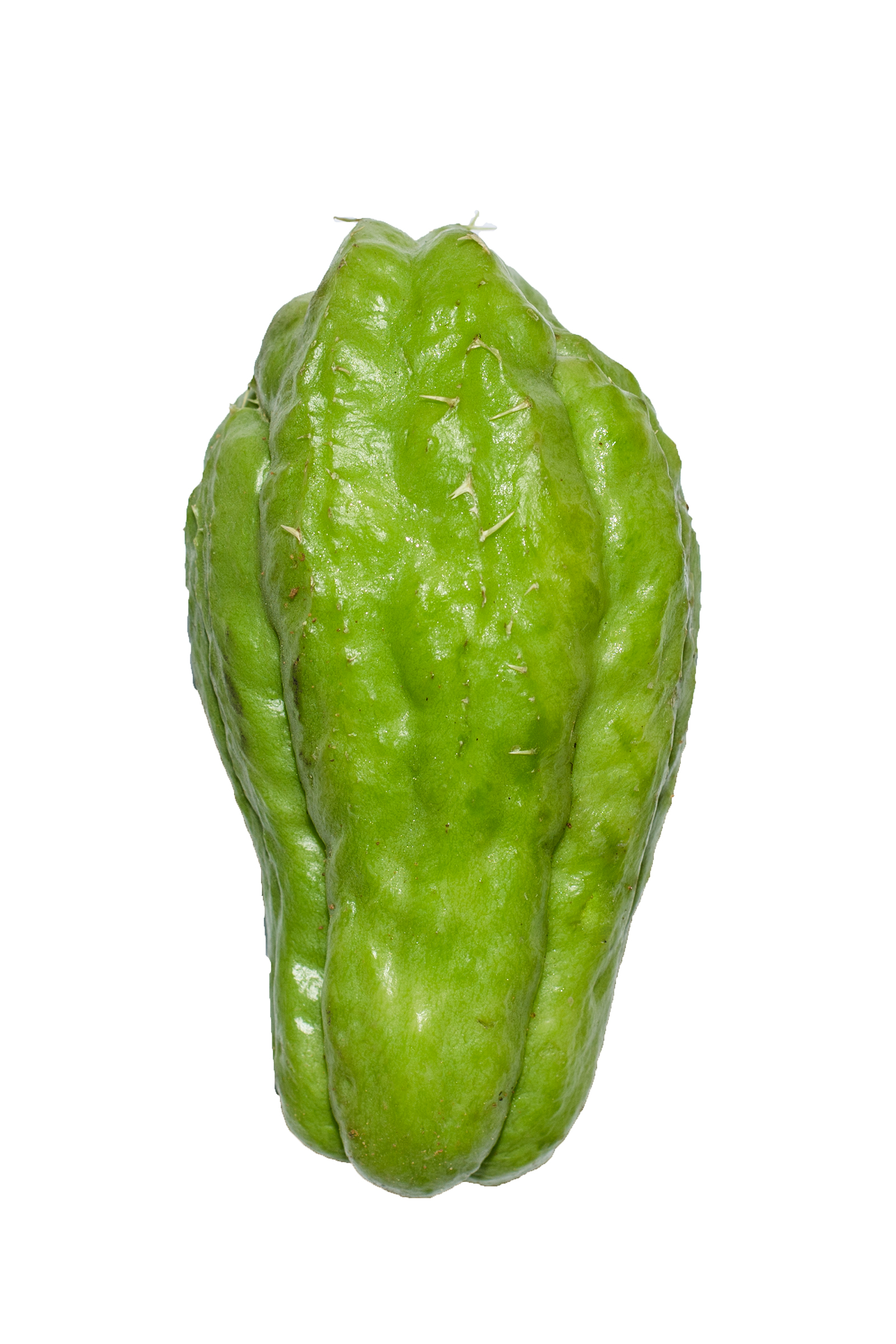
The chayote (Sechium edule), also known as christophene or christophine, cho-cho, mirliton or merleton, chuchu, centinarja, pear squash, vegetable pear, chouchoute, choko, pipinola, güisquil (El Salvador) is an edible plant belonging to the gourd family Cucurbitaceae, along with melons, cucumbers and squash. Chayote is originally native to Mexico or Central America where it grows abundantly and has little commercial value, and it has been introduced as a crop all over Latin America, and worldwide. The main growing regions are Brazil, Costa Rica and Veracruz, Mexico. Costa Rican chayotes are predominantly exported to the European Union, whereas Veracruz is the main exporter of chayotes to the United States. The word chayote is a Spanish derivative of the Nahuatl word chayohtli. Chayote was one of the many foods introduced to Europe by early explorers, who brought back a wide assortment of botanical samples. The Age of Conquest also spread the plant south from Mexico, ultimately causing it to be integrated into the cuisine of many other Latin American nations. The chayote fruit is used in mostly cooked forms. When cooked, chayote is usually handled like summer squash, it is generally lightly cooked to retain the crisp flavor. Though rare and often regarded as especially unpalatable and tough in texture, raw chayote may be added to salads or salsas, most often marinated with lemon or lime juice. Whether raw or cooked, chayote is a good source of amino acids and vitamin C. Although most people are familiar only with the fruit as being edible, the root, stem, seeds and leaves are as well. The tubers of the plant are eaten like potatoes and other root vegetables, while the shoots and leaves are often consumed in salads and stir fries, especially in Asia. Like other members of the gourd family, such as cucumbers, melons, and squash, chayote has a sprawling habit, and it should only be planted if there is plenty of room in the garden. The roots are also highly susceptible to rot, especially in containers, and the plant in general is finicky to grow. However, in Australia and New Zealand, it is an easily grown yard or garden plant, set on a chicken wire support or strung against a fence.
Valerianella locusta is a small dicot annual plant of the family Valerianaceae. It is an edible salad green with a characteristic nutty flavor, dark green color, and soft texture. Common names include corn salad (or cornsalad), lamb's lettuce, mâche, fetticus, feldsalat, nut lettuce, field salad and rapunzel. In restaurants that feature French cooking, this salad green may be called doucette or raiponce, as an alternative to mâche, by which it is best known.

Chinese cabbage (Brassica rapa, subspecies pekinensis and chinensis) can refer to two distinct varieties of Chinese leaf vegetables often used in Chinese cuisine: Pekinensis (napa cabbage) and Chinensis (bok choi).
Perideridia oregana is a species of flowering plant in the carrot family known by the common name Oregon yampah or Eppaw. It is native to Oregon and California in the western United States, where it grows in woodland and other habitat. This plant is quite variable in appearance. In general, it is a perennial herb 10 to 90 centimeters tall, its green to waxy-grayish erect stem growing from a cluster of small tubers. Leaves near the base of the plant have blades 3 to 30 centimeters long divided into a variable number of leaflets, which may be subdivided into smaller segments. The inflorescence is a compound umbel of many spherical clusters of small white flowers. These yield ribbed, oblong-shaped fruits 3 to 6 millimeters long.

Castanea sativa is a species of deciduous tree with an edible seed. It is commonly called sweet chestnut and marron. Originally native to southeastern Europe and Asia Minor, it is now widely dispersed throughout Europe and in some localities in temperate Asia. The tree is hardy, long-lived and well known for its chestnuts, which are used as an ingredient in cooking.
Physalis is a genus of plants in the nightshade family (Solanaceae), native to warm temperate and subtropical regions of the world. All but one species are native to the New World, and most species occur in Mexico in particular. At least 46 species are endemic to the country. The genus is characterised by the small orange fruit similar in size, shape and structure to a small tomato, but partly or fully enclosed in a large papery husk derived from the calyx. Many Physalis species are called groundcherries. One name for Physalis peruviana is Cape gooseberry, not to be confused with the true gooseberries, which are of the genus Ribes in the family Grossulariaceae.
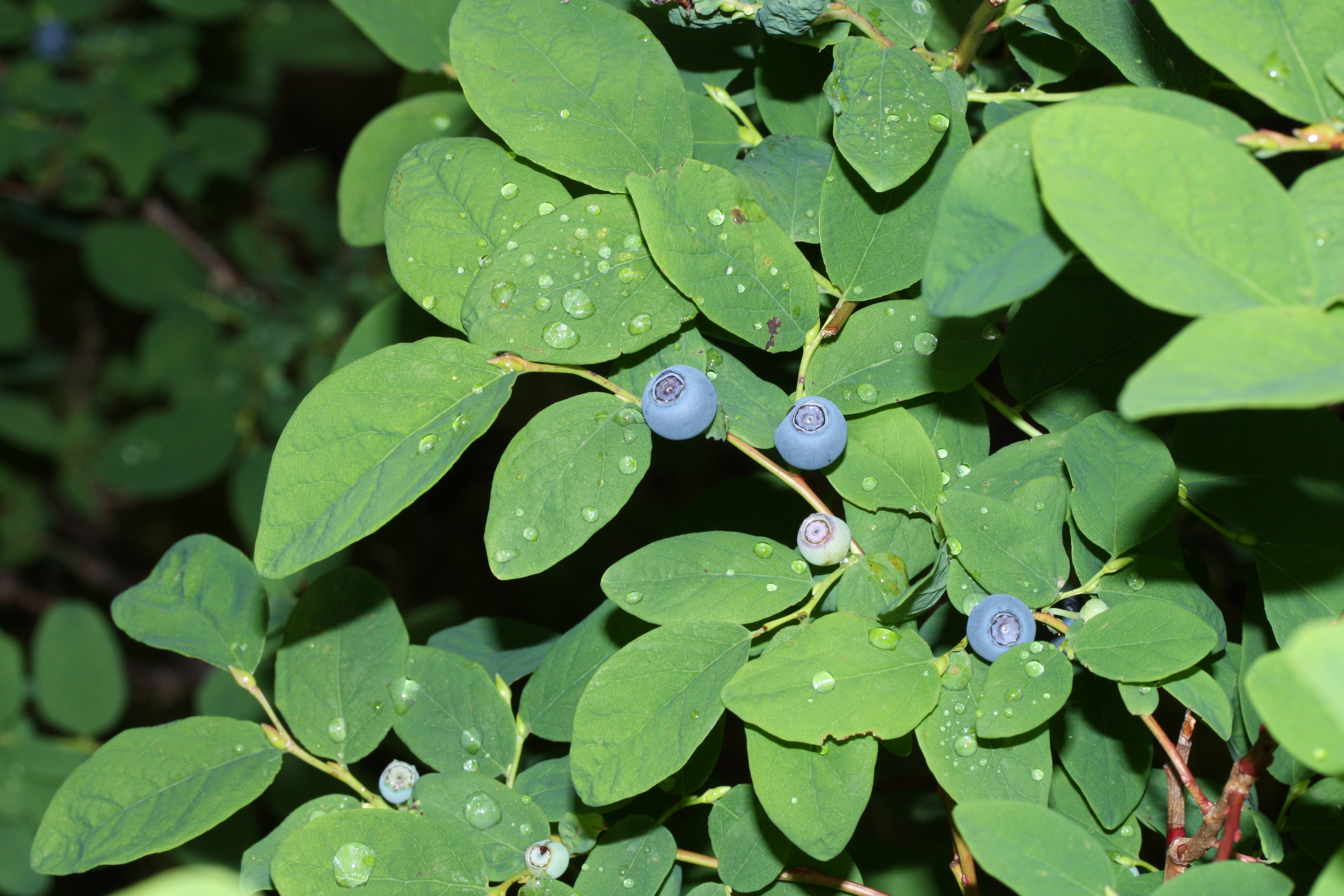
Vaccinium ovalifolium (commonly known as Alaska blueberry, early blueberry, oval-leaf bilberry, oval-leaf blueberry, and oval-leaf huckleberry) is a plant in the heath family having three varieties, all of which grow in northerly regions, including the subarctic.

Nelumbo is a genus of aquatic plants with large, showy flowers resembling the water lily, but not closely related to it. It is commonly called lotus, though this name may be applied to other genera, and there is an unrelated genus Lotus. The generic name is derived from the Sinhalese word Nelum. There are only two known living species in the genus. The sacred lotus (N. nucifera) is native to Asia, and is the better known of the two. It is commonly cultivated, and also used in Chinese medicine and cooking. This species is the national flower of India and Vietnam. The American lotus (N. lutea) is native to North America and the Caribbean. Horticultural hybrids have been produced between these two geographically separated species. A third, extinct species, N. aureavallis, is known from Eocene fossils from North Dakota, United States.
Tetragonia tetragonioides (or previously T. expansa) is a leafy groundcover also known as New Zealand spinach, Warrigal greens, kokihi, sea spinach, Botany Bay spinach, tetragon and Cook's cabbage. It is native to New Zealand, Australia, Japan, Chile and Argentina. The species, rarely used by Maori or other indigenous people as a leaf vegetable, was first mentioned by Captain Cook. It was immediately picked, cooked, and pickled to help fight scurvy, and taken with the crew of the Endeavour. It spread when the explorer and botanist Joseph Banks took seeds back to Kew Gardens during the latter half of the 18th century. For two centuries, T. tetragonioides was the only cultivated vegetable to have originated from Australia and New Zealand. The species prefers a moist environment for growth. The plant has a trailing habit, and will form a thick carpet on the ground or climb though other vegetation and hang downwards. The leaves of the plant are 3–15 cm long, triangular in shape, and bright green. The leaves are thick, and covered with tiny papillae that look like waterdrops on the top and bottom of the leaves. The flowers of the plant are yellow, and the fruit is a small, hard pod covered with small horns. The plant is a halophyte and grows well in saline ground.

A chestnut is the seed of a tree related to the oak tree, which grows in the northern hemisphere. It grows its seeds in a spikey shell.
The rose hip, also known as rose haw or rose hep, is the fruit of the rose plant, that typically is red-to-orange, but ranges from dark purple to black in some species. Rose hips begin to form after successful pollination of flowers in spring or early summer, and ripen in late summer through autumn.
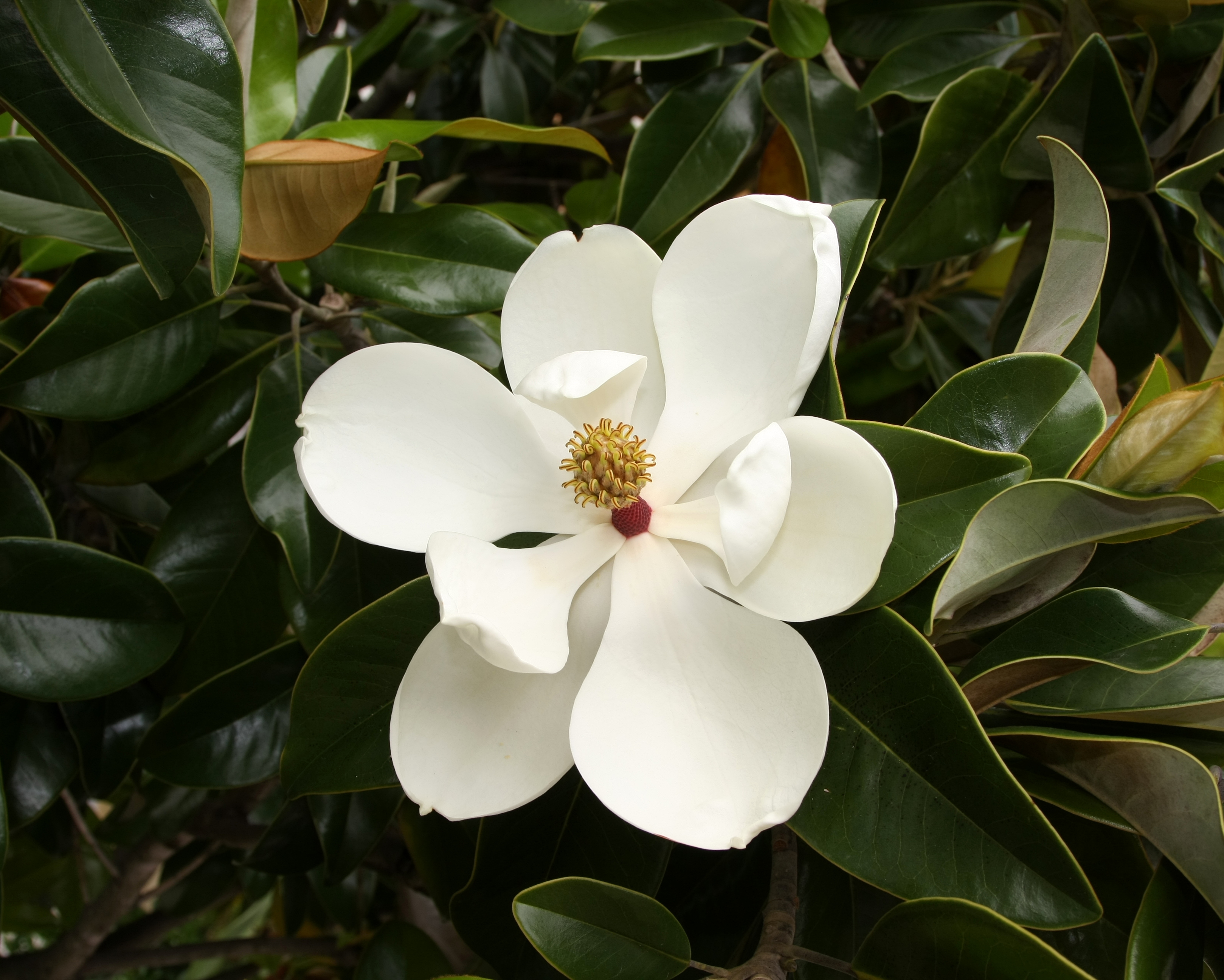
The legume Sesbania bispinosa, also known as Sesbania aculeata (Willd.) Pers., is a small tree in the genus Sesbania.
The black-eyed pea or black-eyed bean, a legume, is a subspecies of the cowpea, grown around the world for its medium-sized, edible bean. The bean mutates easily, giving rise to a number of varieties. The common commercial one is called the California Blackeye; it is pale-colored with a prominent black spot. The currently accepted botanical name is Vigna unguiculata subsp. unguiculata, although previously it was classified in the genus Phaseolus. Vigna unguiculata subsp. dekindtiana is the wild relative and Vigna unguiculata subsp. sesquipedalis is the related asparagus bean. Other beans of somewhat similar appearance, such as the frijol ojo de cabra (goat's eye bean) of northern Mexico, are sometimes incorrectly called black-eyed peas, and vice versa.

The pomelo (Citrus maxima or Citrus grandis), pummelo, pommelo, or shaddock is a crisp citrus fruit native to South and Southeast Asia. It is usually pale green to yellow when ripe, with sweet white (or, more rarely, pink or red) flesh and very thick albedo (rind pith). It is the largest citrus fruit, 15–25 centimetres ( ) in diameter, and usually weighing 1–2 kilograms ( ).
Persian lime (Citrus ×latifolia) or Shiraz Limoo also known as Tahiti lime or Bearss lime (named after John T. Bearss, who developed this seedless variety about 1895 in his nursery at Porterville, California), is a citrus fruit related to the standard lime. It has a nearly thornless tree. The Persian lime is of hybrid origin, most likely from a cross between key lime (Citrus aurantiifolia) and either lemon (Citrus ×limon) or citron (Citrus medica).
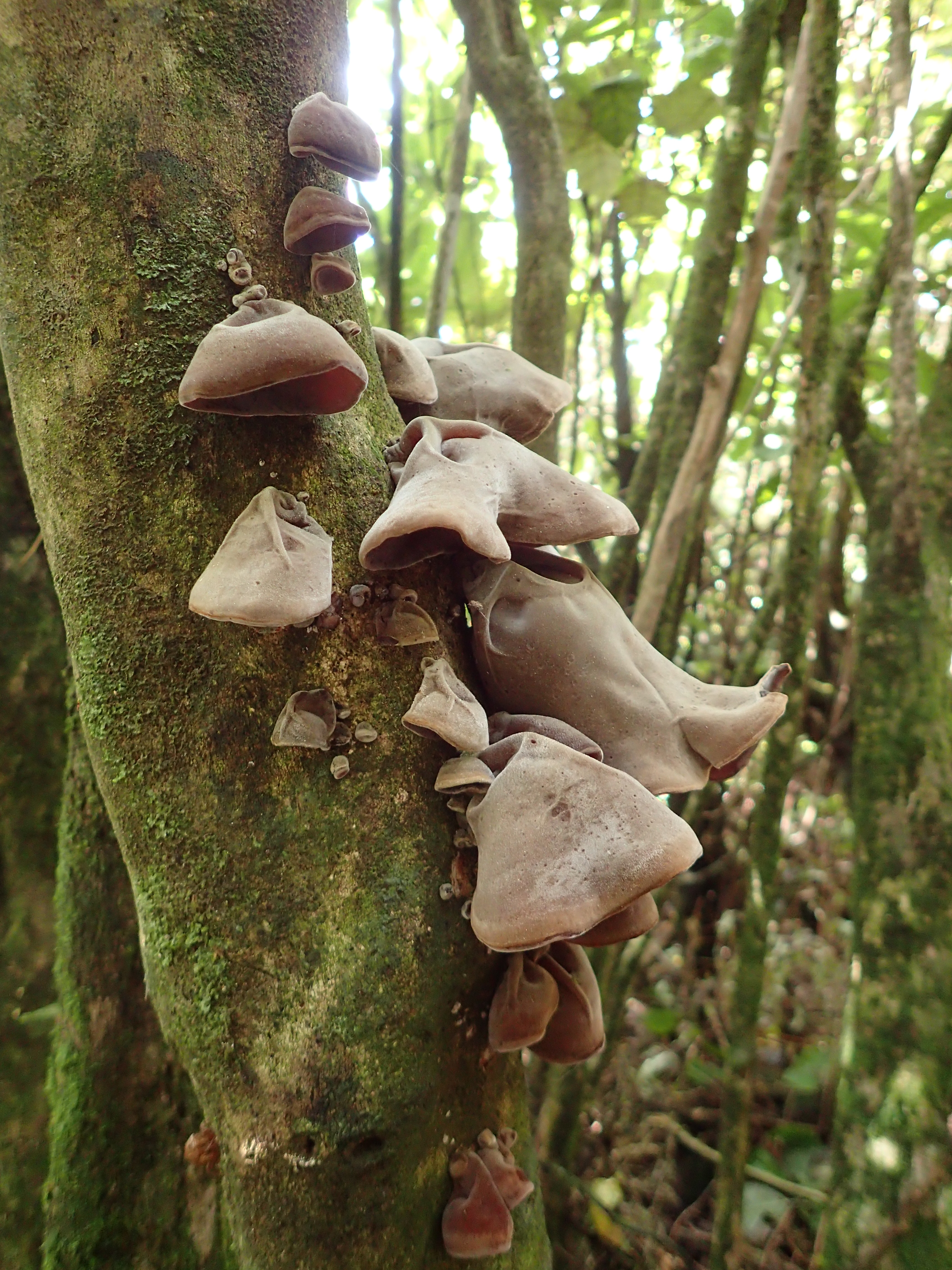
Cloud ear fungus (Auricularia polytricha, syn. Hirneola polytricha) is an edible jelly fungus. It is gray-brown in color and often used in Asian cooking.

The horned melon, also called African horned cucumber or melon, jelly melon, hedged gourd, English tomato, melano, kiwano, or cherie, is an annual vine in the cucumber and melon family. It is considered to be the ancestor of the other cultivated melons. Often known by its nickname in the southeastern United States, blowfish fruit, it is grown for its fruit, which looks like an oval melon with horn-like spines. The fruit of this plant is edible, but it is used as often for decoration as for food. When ripe, it has a yellow-orange skin and a lime green jelly-like flesh with a tart taste, and texture similar to a cucumber. The horned melon is native to Africa, and it is now grown in California, Chile, Australia and New Zealand as well. [Wikipedia]



seed of Vigna unguiculata subsp. unguiculata

fruit from Gaylussacia baccata

herb

seeds of Vigna aconitifolia

a peach of a variety with smooth, thin, brightly colored skin and rich firm flesh

cactus pad
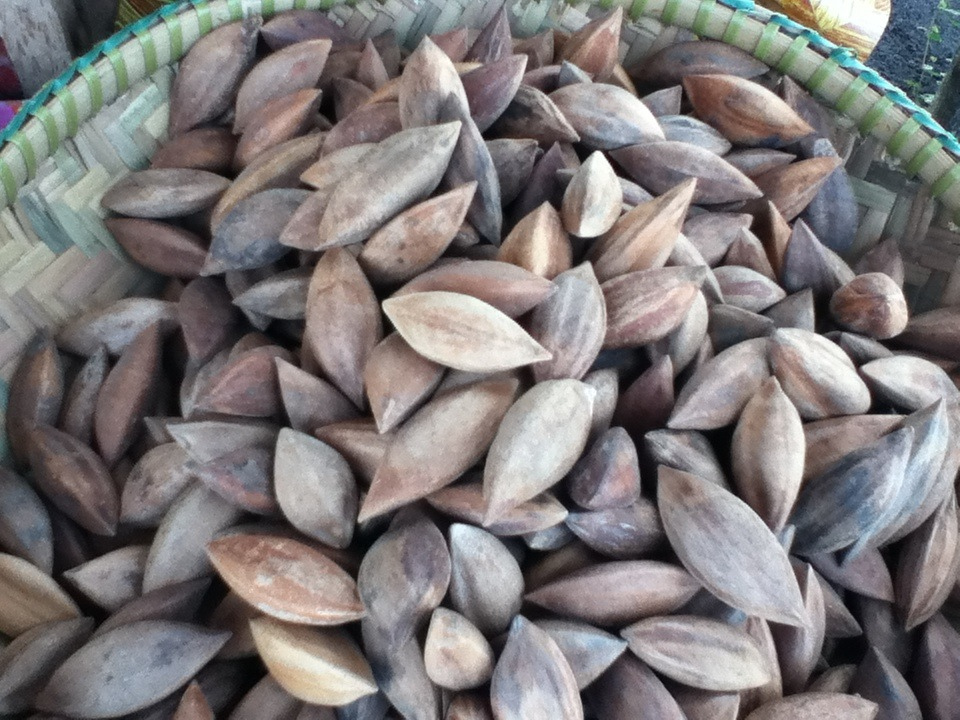
seed from Canarium ovatum
fruit from Sechium edule

fruit of kumquat trees
Verified Data
Compound identity and culinary context are continuously cross-referenced across open scientific databases and maintained by Foodgeist's enrichment pipeline.
The Geist can be wrong. Some flavor, taste, and pairing values are model-predicted, not lab-measured.