sfa
Molecular structure
Foods containing this compound



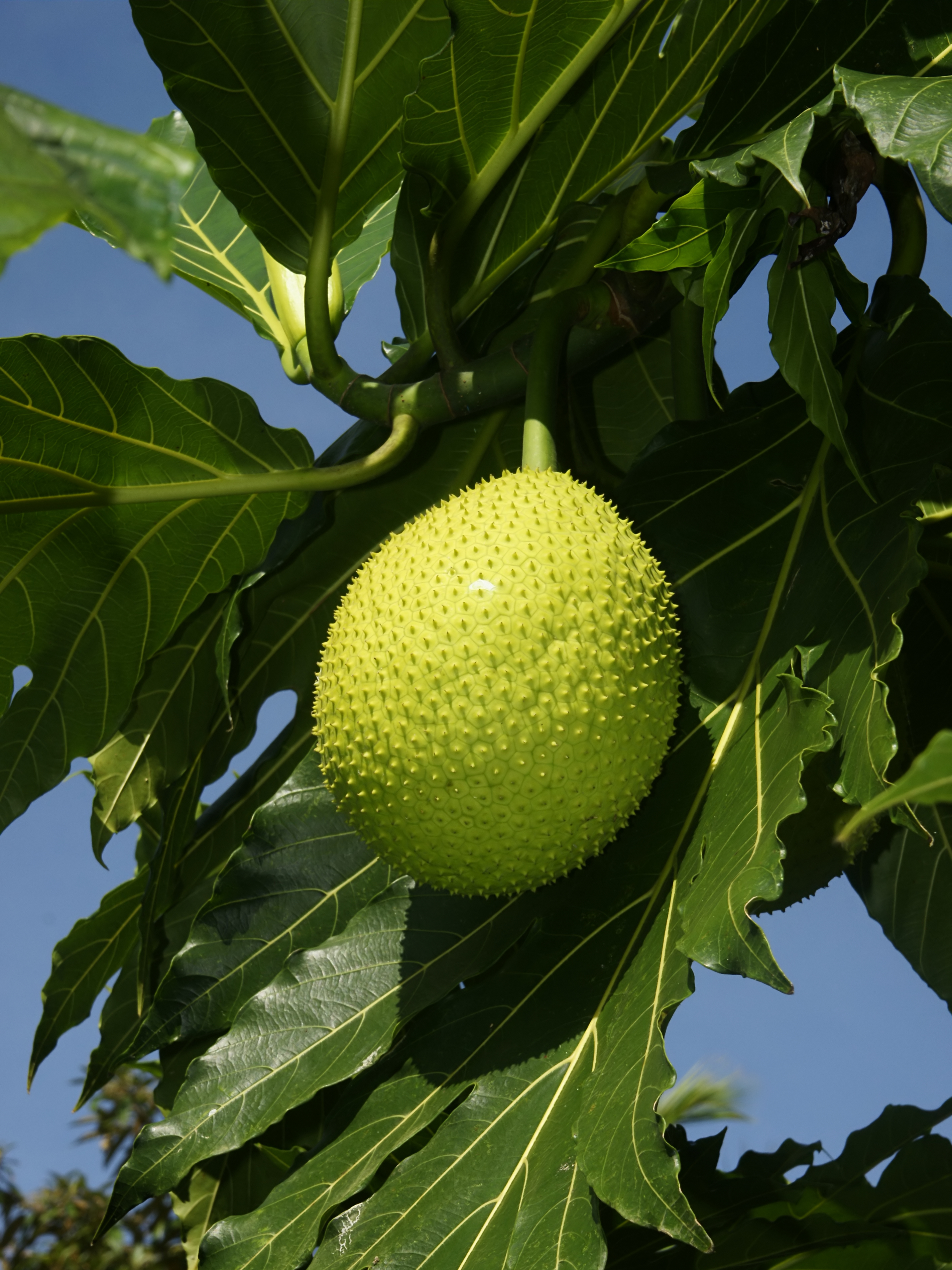
Breadfruit (Artocarpus altilis) is a species of flowering tree in the mulberry family, Moraceae, growing throughout Southeast Asia and most Pacific Ocean islands. Its name is derived from the texture of the cooked fruit, which has a potato-like flavor, similar to fresh-baked bread. Ancestors of the Polynesians found the trees growing in the northwest New Guinea area around 3,500 years ago. They gave up the rice cultivation they had brought with them from Taiwan, and raised breadfruit wherever they went in the Pacific (except Easter Island and New Zealand, which are too cold). Their ancient eastern Indonesian cousins spread the plant west and north through insular and coastal Southeast Asia. It has, in historical times, also been widely planted in tropical regions elsewhere.

Lupinus albus, commonly known as the white lupin, is a member of the genus Lupinus in the family Fabaceae. It is a traditional pulse cultivated in the Mediterranean region.

Vigna aconitifolius, called the moth bean, mat bean, Turkish gram, is a small, drought-resistant, annual, trailing herb with small yellow flowers and deeply lobed leaves, grown especially in dry parts of South Asia for its tiny edible beans, which range in color from light brown to dark reddish brown. The sprouted beans taste somewhat sweet. Matki is very popular in Maharastrian cuisine. The beans are soaked overnight to make them sprout. These sprouted beans are used for salad, misal or usal.
Dioscorea pentaphylla is a species of flowering plant in the yam family known by the common name fiveleaf yam. It is native to tropical Asia or eastern Polynesia, and it is present elsewhere as an introduced species. This species is a prickly vine that twines counterclockwise around objects and other plants. It may reach 10 meters in length. The alternately arranged leaves are compound, divided into 3 to 5 leaflets each up to 10 centimeters long. The plant produces horseshoe-shaped bulbils about a centimeter long. New plants can sprout from the bulbils. Flowers are borne in spikes. The vine grows from a tuber. Specimens may be 3 pounds in weight and may be located over a meter underground. The tubers of the vine can be cooked and eaten.
Tetragonia tetragonioides (or previously T. expansa) is a leafy groundcover also known as New Zealand spinach, Warrigal greens, kokihi, sea spinach, Botany Bay spinach, tetragon and Cook's cabbage. It is native to New Zealand, Australia, Japan, Chile and Argentina. The species, rarely used by Maori or other indigenous people as a leaf vegetable, was first mentioned by Captain Cook. It was immediately picked, cooked, and pickled to help fight scurvy, and taken with the crew of the Endeavour. It spread when the explorer and botanist Joseph Banks took seeds back to Kew Gardens during the latter half of the 18th century. For two centuries, T. tetragonioides was the only cultivated vegetable to have originated from Australia and New Zealand. The species prefers a moist environment for growth. The plant has a trailing habit, and will form a thick carpet on the ground or climb though other vegetation and hang downwards. The leaves of the plant are 3–15 cm long, triangular in shape, and bright green. The leaves are thick, and covered with tiny papillae that look like waterdrops on the top and bottom of the leaves. The flowers of the plant are yellow, and the fruit is a small, hard pod covered with small horns. The plant is a halophyte and grows well in saline ground.

Soursop is the fruit of Annona muricata, a broadleaf, flowering, evergreen tree native to Mexico, Cuba, Central America, the Caribbean and northern South America: Colombia, Brazil, Peru, Ecuador and Venezuela. Soursop is also produced in Somalia. Today, it is also grown in some areas of Southeast Asia, as well as in some Pacific islands. It was most likely brought from Mexico to the Philippines by way of the Manila-Acapulco Galleon trade. It is in the same genus as the chirimoya and the same family as the pawpaw. Soursop, raw, edible parts Nutritional value per 100 g Energy 276 kJ Carbohydrates 16.84 g - Sugars 13.54 g - Dietary fiber 3.3 g Fat 0.30 g Protein 1.00 g Vitamin A equiv. 0 μg (0%) Thiamine (vit. B1) 0.070 mg (6%) Riboflavin (vit. B2) 0.050 mg (4%) Niacin (vit. B3) 0.900 mg (6%) Vitamin B6 0.059 mg (5%) Folate (vit. B9) 14 μg (4%) Vitamin C 20.6 mg (25%) Calcium 14 mg (1%) Iron 0.6 mg (5%) Magnesium 21 mg (6%) Phosphorus 27 mg (4%) Potassium 278 mg (6%) Zinc 0.1 mg (1%) Percentages are relative toUS recommendations for adults. The soursop is adapted to areas of high humidity and relatively warm winters; temperatures below 5 °C will cause damage to leaves and small branches, and temperatures below 3 °C can be fatal. The fruit becomes dry and is no longer good for concentrate. Other common names include: Evo, Aluguntugui guanábana, graviola, anona, corossol, sorsaka, adunu, Brazilian pawpaw, guyabano, guanavana, toge-banreisi, durian benggala, nangka blanda, sirsak, zuurzak and nangka londa. In Malayalam, it is called mullaatha, literally thorny custard apple. The other lesser-known Indian names are shul-ram-fal and Lakshmana Phala. and in Harar (Ethiopia) in Harari language known for centuries as Amba Shoukh (Thorny Mango or Thorny Fruit). The flavour has been described as a combination of strawberry and pineapple, with sour citrus flavour notes contrasting with an underlying creamy flavour reminiscent of coconut or banana.
Sunflower (Helianthus annuus) is an annual plant native to the Americas. It possesses a large inflorescence (flowering head), and its name is derived from the flower's shape and image, which is often used to depict the sun. The plant has a rough, hairy stem, broad, coarsely toothed, rough leaves and circular heads of flowers. The heads consist of many individual flowers which mature into seeds, often in the hundreds, on a receptacle base. From the Americas, sunflower seeds were brought to Europe in the 16th century, where, along with sunflower oil, they became a widespread cooking ingredient. Leaves of the sunflower can be used as cattle feed, while the stems contain a fibre which may be used in paper production.
The sweet potato (<i>Ipomoea batatas</i>) is a dicotyledonous plant that belongs to the family Convolvulaceae. Its large, starchy, sweet-tasting, tuberous roots are a root vegetable. The young leaves and shoots are sometimes eaten as greens. The sweet potato is only distantly related to the potato (<i>Solanum tuberosum</i>) and does not belong to the nightshade family, Solanaceae, but both families belong to the same taxonomic order, the Solanales. (Wikipedia)
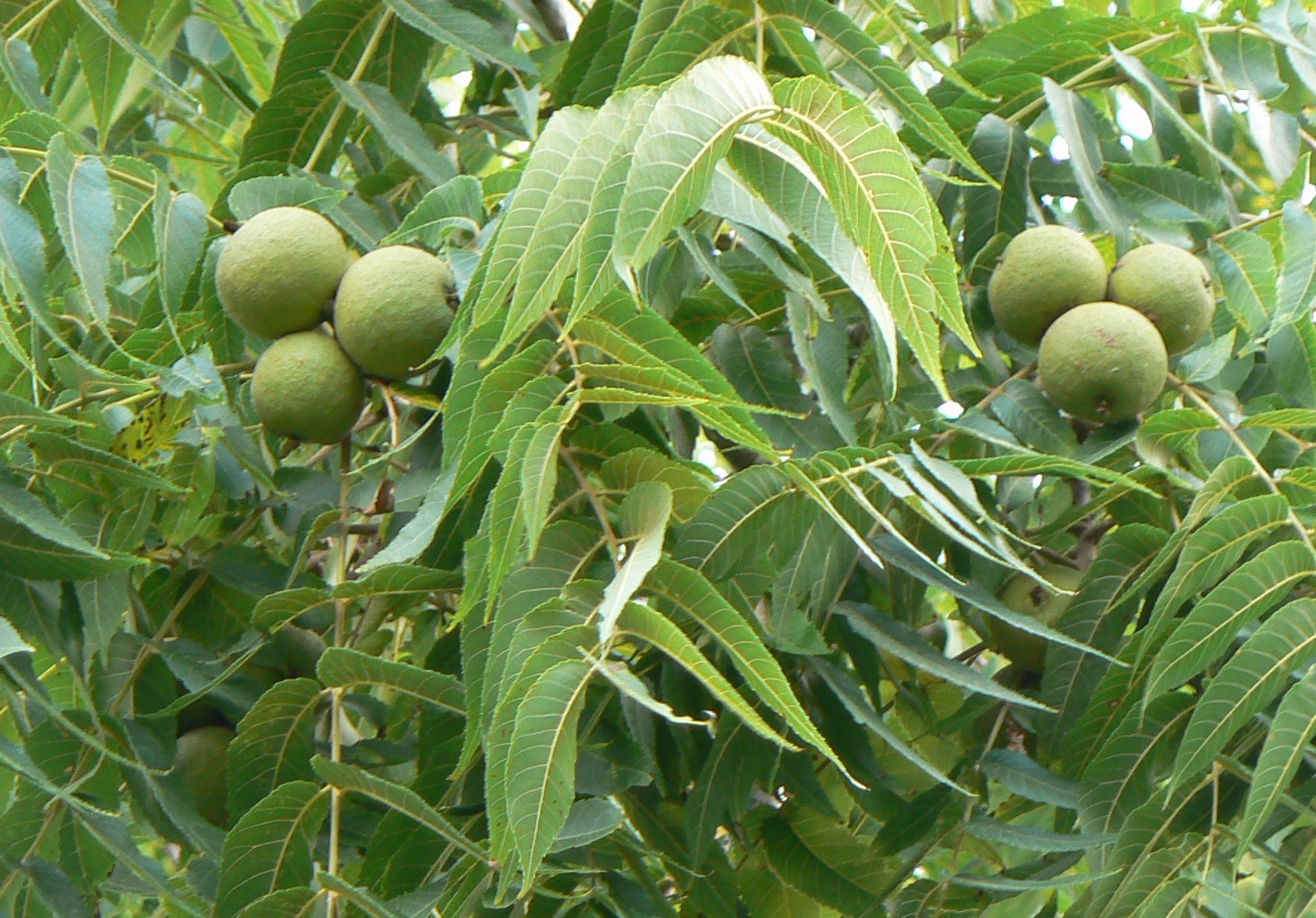
Juglans nigra, the eastern black walnut, a species of flowering tree in the walnut family, Juglandaceae, is native to eastern North America. It grows mostly in riparian zones, from southern Ontario, west to southeast South Dakota, south to Georgia, northern Florida and southwest to central Texas. Isolated wild trees in the upper Ottawa Valley may be an isolated native population or may have derived from planted trees.
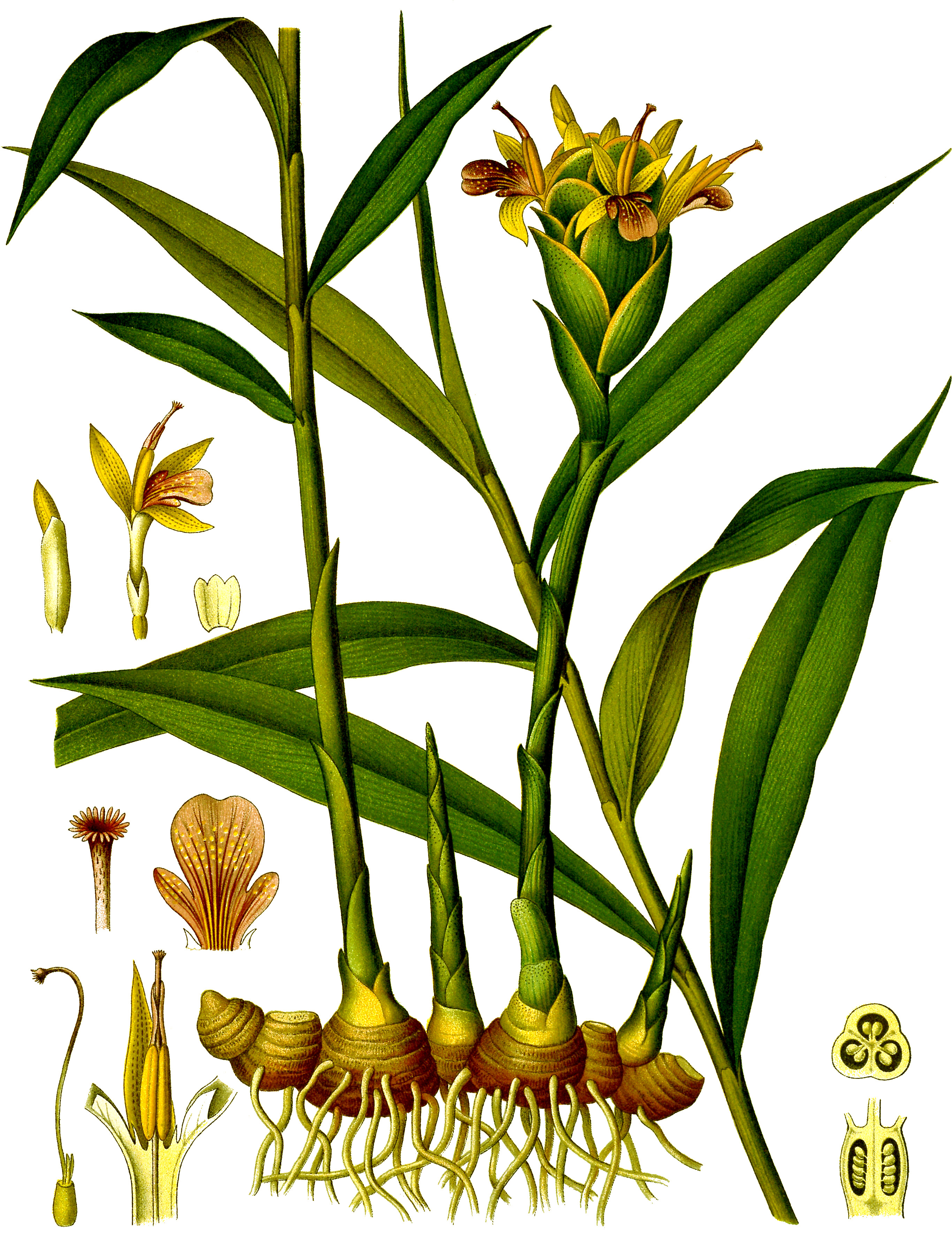


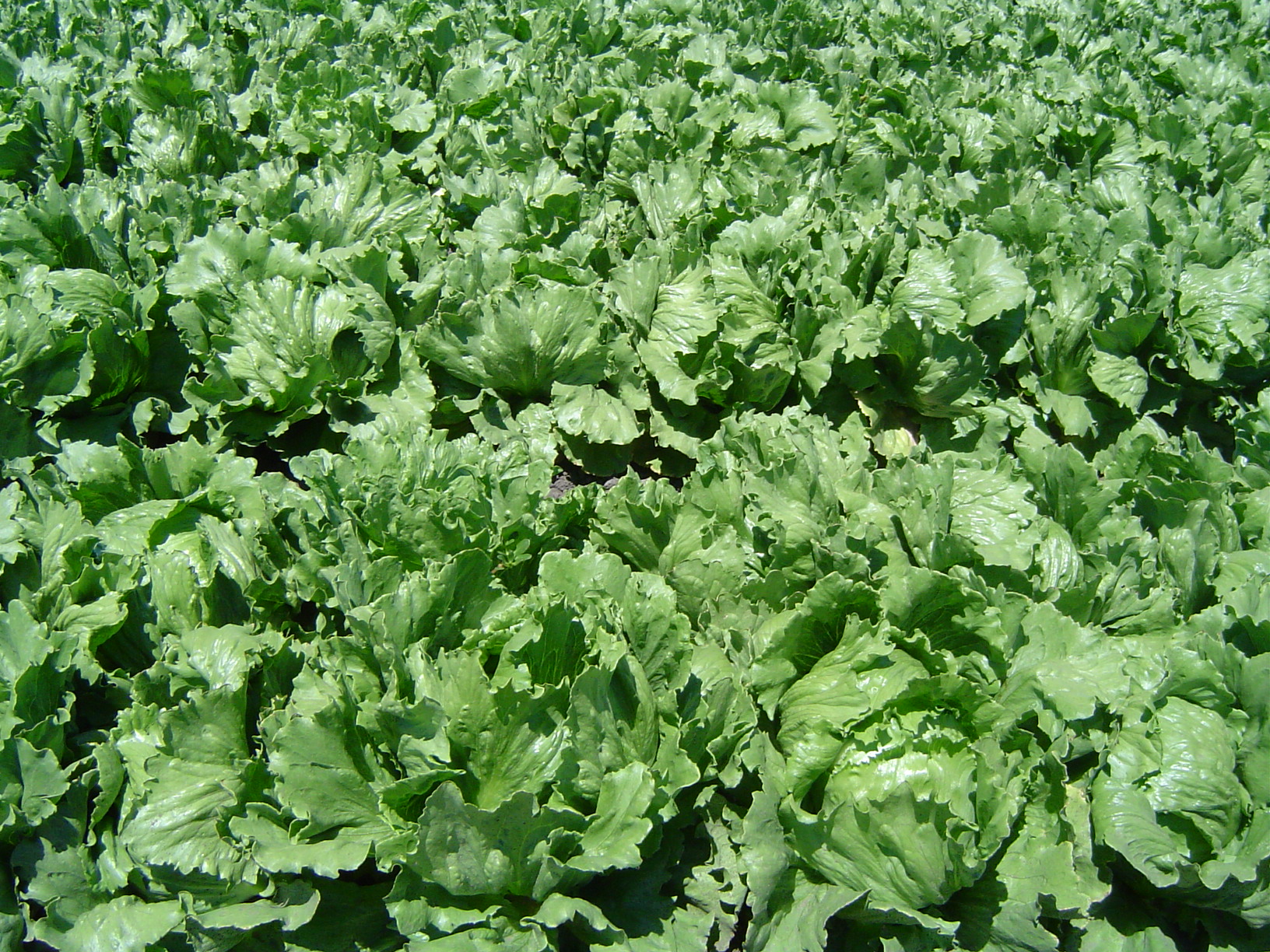

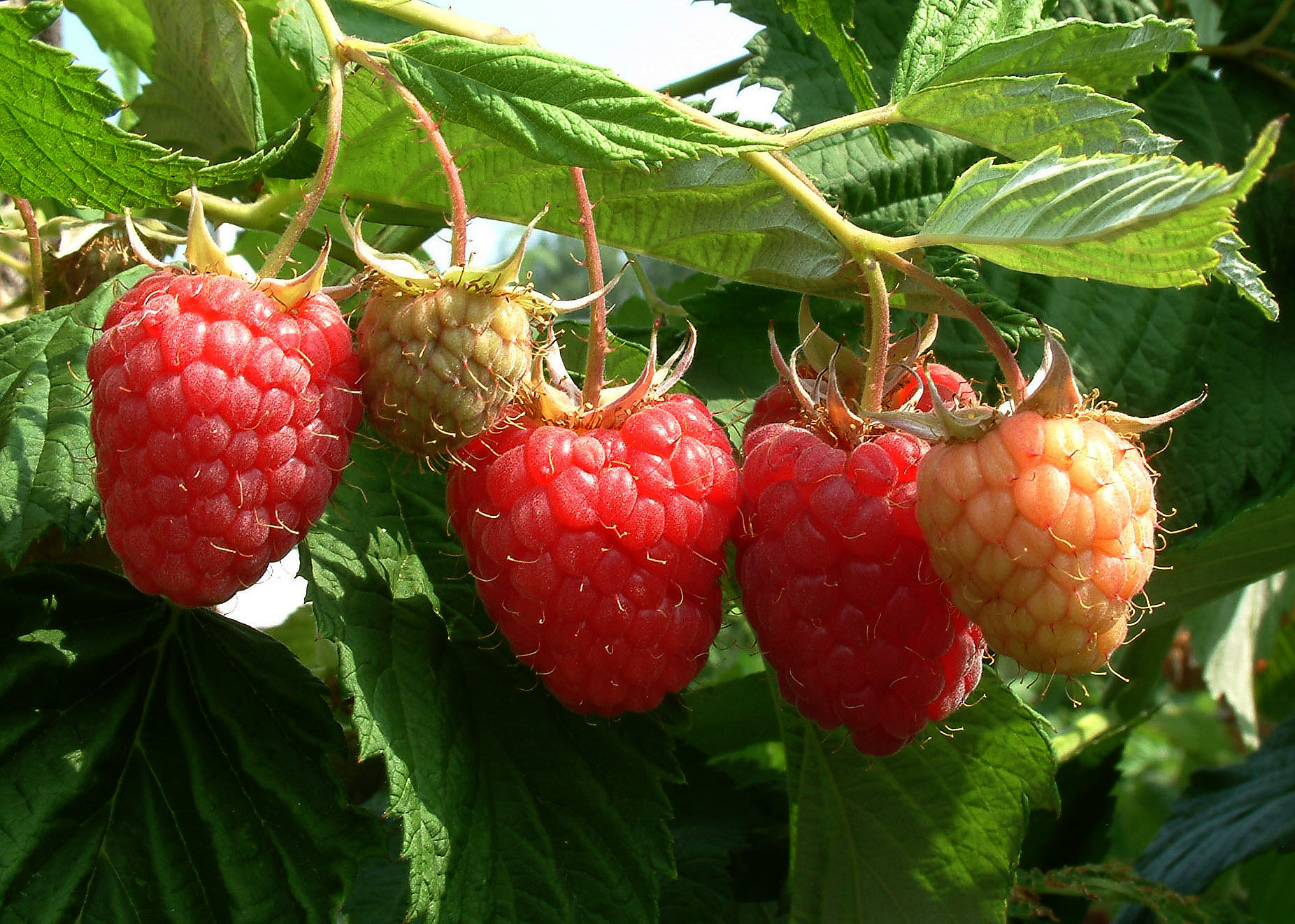



herb from Mentha spicata

Okpa is a delicious delicacy popular in the Eastern part of Nigeria, especially in Enugu state. Okpa has equally won the hearts of people in different parts of Nigeria and is now classified as a traditional Nigerian delicacy.
seeds of Vigna aconitifolia

artichoke dishes made by filling the flower

seed from Phaseolus lunatus

vegetable from the plant of the same name

Species of flowering plant in the family Boraginaceae

Species of edible herb

Hybrid flowering plant in the family Lamiaceae
Plant species in the mint family

Species of edible plant

Flowering plant in the daisy family
Verified Data
Compound identity and culinary context are continuously cross-referenced across open scientific databases and maintained by Foodgeist's enrichment pipeline.
The Geist can be wrong. Some flavor, taste, and pairing values are model-predicted, not lab-measured.