PubChem CID · CC0
(2R,3R)-pinobanksin
Foods containing this compound

The apple is the pomaceous fruit of the apple tree, species Malus domestica in the rose family. It is one of the most widely cultivated tree fruits, and the most widely known of the many members of genus Malus that are used by humans. Apples grow on small, deciduous trees. The tree originated in Central Asia, where its wild ancestor, Malus sieversii, is still found today. Apples have been grown for thousands of years in Asia and Europe, and were brought to North America by European colonists. Apples have been present in the mythology and religions of many cultures, including Norse, Greek and Christian traditions. In 2010, the fruit's genome was decoded, leading to new understandings of disease control and selective breeding in apple production. There are more than 7,500 known cultivars of apples, resulting in a range of desired characteristics. Different cultivars are bred for various tastes and uses, including in cooking, fresh eating and cider production. Domestic apples are generally propagated by grafting, although wild apples grow readily from seed. Trees are prone to a number of fungal, bacterial and pest problems, which can be controlled by a number of organic and non-organic means. About 69 million tonnes of apples were grown worldwide in 2010, and China produced almost half of this total. The United States is the second-leading producer, with more than 6% of world production. Turkey is third, followed by Italy, India and Poland. Apples are often eaten raw, but can also be found in many prepared foods (especially desserts) and drinks. Many beneficial health effects have been found from eating apples; however, two forms of allergies are seen to various proteins found in the fruit.

Spearmint or spear mint (Mentha spicata) is a species of mint native to much of Europe and southwest Asia, though its exact natural range is uncertain due to extensive early cultivation.
The avocado (Persea americana) is a tree native to Central Mexico, classified in the flowering plant family Lauraceae along with cinnamon, camphor and bay laurel. Avocado or alligator pear also refers to the fruit (botanically a large berry that contains a single seed) of the tree. Avocados are commercially valuable and are cultivated in tropical and Mediterranean climates throughout the world. They have a green-skinned, fleshy body that may be pear-shaped, egg-shaped, or spherical. Commercially, it ripens after harvesting. Trees are partially self-pollinating and often are propagated through grafting to maintain a predictable quality and quantity of the fruit.

Phaseolus vulgaris, the common bean, string bean, field bean, flageolet bean, French bean, garden bean, haricot bean, pop bean, or snap bean, is a herbaceous annual plant grown worldwide for its edible fruit, either the dry seed or the unripe fruit, both of which are referred to as beans. The leaf is also occasionally used as a vegetable, and the straw can be used for fodder. Along with other species of the bean genus (Phaseolus), it is classified botanically into the legume family (Fabaceae), most of whose members acquire nitrogen through an association with rhizobia, a species of nitrogen-fixing bacteria.
An apricot is a fruit or the tree that bears the fruit. Usually, an apricot tree is from the tree species Prunus armeniaca, but the species Prunus brigantina, Prunus mandshurica, Prunus mume, and Prunus sibirica are closely related, have similar fruit, and are also called apricots.
The almond (Prunus dulcis, syn. Prunus amygdalus, Amygdalus communis, Amygdalus dulcis) (or badam in Indian English, from Persian: بادام ) is a species of tree native to the Middle East and South Asia. "Almond" is also the name of the edible and widely cultivated seed of this tree. Within the genus Prunus, it is classified with the peach in the subgenus Amygdalus, distinguished from the other subgenera by the corrugated shell (endocarp) surrounding the seed.
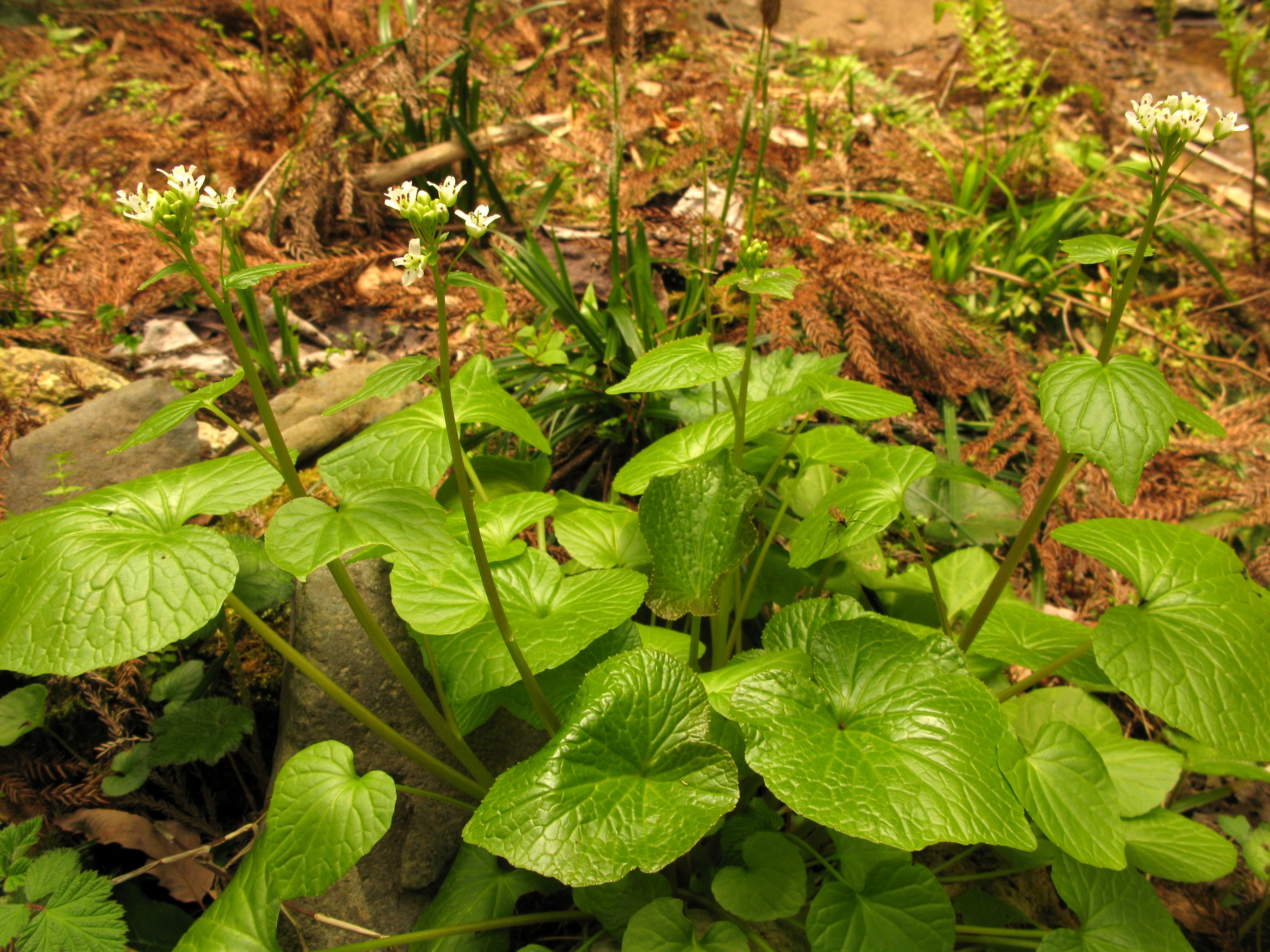
Horseradish (Armoracia rusticana, syn. Cochlearia armoracia) is a perennial plant of the Brassicaceae family (which also includes mustard, wasabi, broccoli, and cabbage). The plant is probably native to southeastern Europe and western Asia. It is now popular around the world. It grows up to 1.5 metres (5 feet) tall, and is cultivated primarily for its large, white, tapered root. The intact horseradish root has hardly any aroma. When cut or grated, however, enzymes from the now-broken plant cells break down sinigrin to produce allyl isothiocyanate, which irritates the mucous membranes of the sinuses and eyes. Once exposed to air (via grating) or heat, if not used immediately or mixed in vinegar, the grated mash darkens, loses its pungency, and becomes unpleasantly bitter-tasting.

Tarragon (Artemisia dracunculus) is a species of perennial herb in the family Asteraceae. One sub-species, Artemisia dracunculus var. sativa, is cultivated for use of the leaves as an aromatic culinary herb. In some other sub-species, the characteristic aroma is largely absent. The species is polymorphic. Informal names for distinguishing the variations include "French tarragon" (best for culinary use), "Russian tarragon" (typically better than wild tarragon but not as good as so-called French tarragon for culinary use), and "wild tarragon" (covers various states).


Savoy cabbage (Brassica oleracea convar. capitata var. sabauda L. ) is a variety of the cabbage, a cultivar of the plant species Brassica oleracea. Savoy cabbage is a winter vegetable. A variety of the savoy cabbage is the January King Cabbage. Savoy cabbage can be used in a variety of recipes. It pairs well with red wine, apples, spices, horseradish and meat. It can be used for roulades, in stews and soups, as well as roasted plain and drizzled with olive oil. Cabbage that is heavy for its size with leaves that are unblemished and have a bright, fresh look are signs of desirable quality. Whole cabbages are preferred whenever possible as pre-cut or preshredded cabbage has a greatly diminished vitamin content. Peak season for most cabbages runs from November through April. Fresh whole cabbage will keep in the refrigerator for one to six weeks depending on type and variety. Hard green, white or red cabbages will keep the longest while the looser Savoy and Chinese varieties need to be consumed more quickly. It is necessary to keep the outer leaves intact without washing when storing since moisture hastens decay. Cabbage provides fiber, vitamins A, C, K and B6, folate, potassium, manganese, thiamin, calcium, iron and magnesium.
Asparagus officinalis is a spring vegetable, a flowering perennial plant species in the genus Asparagus. It was once classified in the lily family, like its Allium cousins, onions and garlic, but the Liliaceae have been split and the onion-like plants are now in the family Amaryllidaceae and asparagus in the Asparagaceae. Asparagus officinalis is native to most of Europe, northern Africa and western Asia, and is widely cultivated as a vegetable crop.


Averrhoa carambola is a species of woody plant in the family Oxalidaceae; it has a number of common names including Carambola and Starfruit. This evergreen tree is native to Southeast Asia and the Indian Subcontinent. A. carambola is a small tree or shrub that grows 5–12 meters tall, with rose to red-purple flowers. The flowers are small and bell-shaped, with five petals that have whitish edges. The flowers are often produced year round under tropical conditions. The tree is cultivated in tropical and semitropical regions for its edible fruits and for medicinal uses.

The Brazil nut (Bertholletia excelsa) is a South American tree in the family Lecythidaceae, and also the name of the tree's commercially harvested edible seed.

The beet (Beta vulgaris) is a plant in the Chenopodiaceae family which is now included in Amaranthaceae family. It is best known in its numerous cultivated varieties, the most well known of which is the root vegetable known as the beetroot or garden beet. However, other cultivated varieties include the leaf vegetable chard, as well as the root vegetable sugar beet, which is important in the production of table sugar, and mangelwurzel, which is a fodder crop. Three subspecies are typically recognised. All cultivated varieties fall into the subspecies Beta vulgaris subsp. vulgaris, while Beta vulgaris subsp. maritima, commonly known as the sea beet, is the wild ancestor of these, and is found throughout the Mediterranean, the Atlantic coast of Europe, the Near East, and India. A second wild subspecies, Beta vulgaris subsp. adanensis, occurs from Greece to Syria. The roots are most commonly deep red-purple in color, but come in a wide variety of other shades, including golden yellow and red-and-white striped. Beta vulgaris is a herbaceous biennial or, rarely, perennial plant with leafy stems growing to 1–2 m tall. The leaves are heart-shaped, 5–20 cm long on wild plants (often much larger in cultivated plants). The flowers are produced in dense spikes; each flower is very small, 3–5 mm diameter, green or tinged reddish, with five petals; they are wind pollinated. The fruit is a cluster of hard nutlets.

Brassica oleracea is the species of plant that includes many common foods as cultivars, including cabbage, broccoli, cauliflower, kale, Brussels sprouts, savoy, and Chinese kale. In its uncultivated form it is known as wild cabbage. It is native to coastal southern and western Europe. Its tolerance of salt and lime and its intolerance of competition from other plants typically restrict its natural occurrence to limestone sea cliffs, like the chalk cliffs on both sides of the English Channel.

The burbot (Lota lota) or bubbot is the only gadiform (cod-like) freshwater fish. Also known as mariah, the lawyer, and (misleadingly) eelpout, the burbot is closely related to the marine common ling and the cusk. It is the only member of the genus Lota.

The Brussels sprout is a cultivar in the Gemmifera group of cabbages, grown for its edible buds. The leafy green vegetables are typically 2.5–4 cm (0.98–1.6 in) in diameter and look like miniature cabbages. The Brussels sprout has long been popular in Brussels, Belgium, and may have originated there.

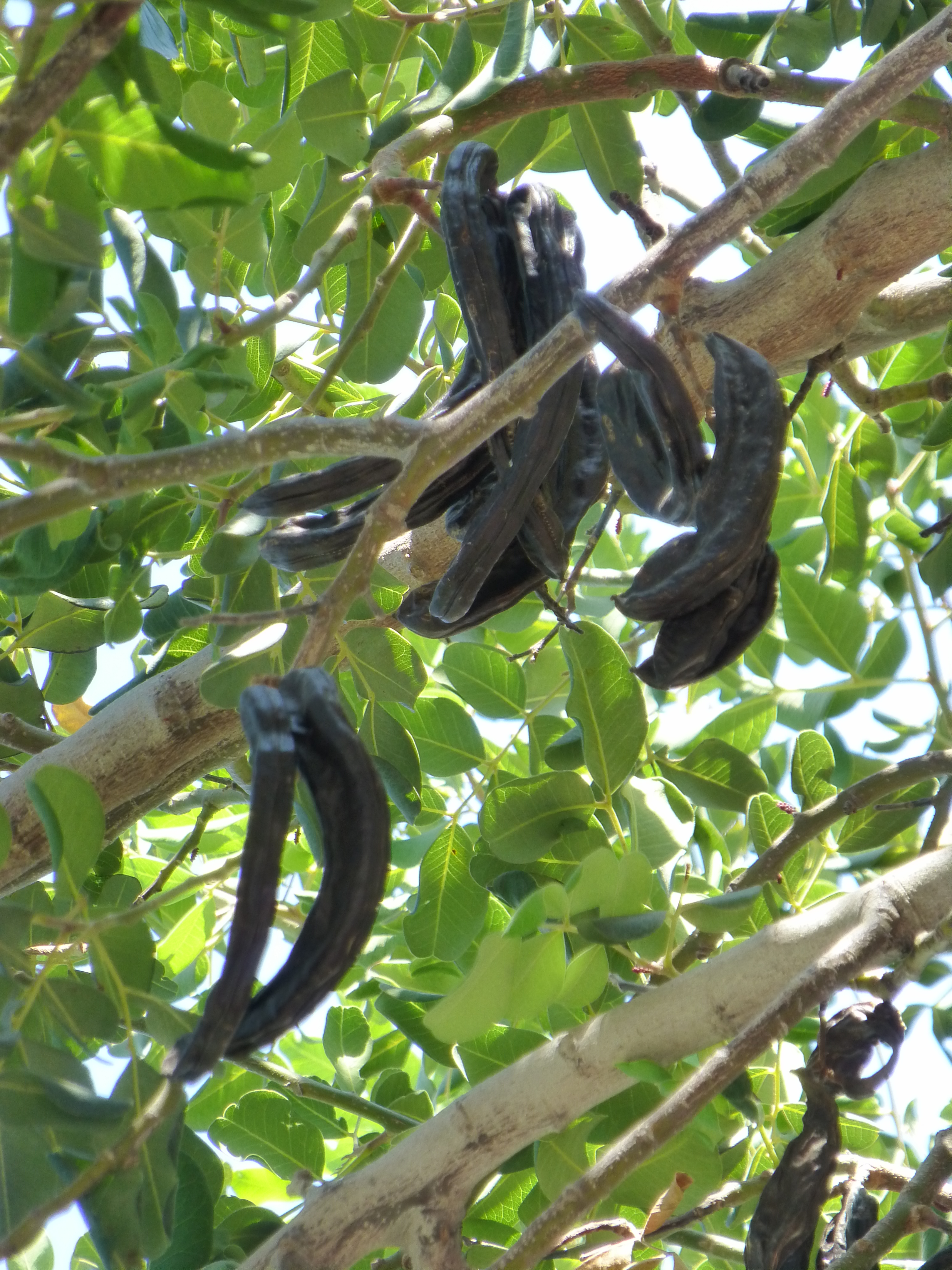
Ceratonia siliqua, commonly known as the carob tree and St John's-bread, is a species of flowering evergreen shrub or tree in the pea family, Fabaceae. It is widely cultivated for its edible pods, and as an ornamental tree in gardens. The ripe, dried pod is often ground to carob powder which is used as a substitute for cocoa powder.
The cherimoya, also spelled chirimoya, is the fruit of the species Annona cherimola, which generally is thought to be native to the Andes, although an alternative hypothesis proposes Central America as the origin of cherimoya because many of its wild relatives occur in this area. Today cherimoya is grown throughout South Asia, Central America, South America, Southern California and southern Andalucia [La Axarquia].

Broccoli is an edible green plant in the cabbage family, whose large flowering head is used as a vegetable. The word broccoli comes from the Italian plural of broccolo, which means "the flowering top of a cabbage", and is the diminutive form of brocco, meaning "small nail" or "sprout". Broccoli is often boiled or steamed but may be eaten raw.

Cottonseed is the seed of the cotton plant (gossypium). The mature seeds are brown ovoids weighing about a tenth of a gram. By weight, they are 60% cotyledon, 32% coat and 8% embryonic root and shoot. These are 20% protein, 20% oil and 3.5% starch. Fibres grow from the seed coat to form a boll of cotton lint. The boll is a protective fruit and when the plant is grown commercially, it is stripped from the seed by ginning and the lint is then processed into cotton fibre. For every hundred weight of fibre, about one hundred and sixty weight of seeds are produced. The seeds are about 15% of the value of the crop and are pressed to make oil and used as animal feed. About 5% of the seeds are used to sow the next crop.
Catjang (Vigna unguiculata subsp. cylindrica) is a subspecies of cowpea. The catjang plant is native to Africa, and is an erect densely branched shrubby perennial of Old World tropics. It now grows in other warm regions, as well. In the US, it is grown primarily as fodder, but elsewhere is used as a food crop. The name comes from Indonesian and Malay kacang, a generic word for beans and nuts.

Chinese cabbage (Brassica rapa, subspecies pekinensis and chinensis) can refer to two distinct varieties of Chinese leaf vegetables often used in Chinese cuisine: Pekinensis (napa cabbage) and Chinensis (bok choi).
Physalis is a genus of plants in the nightshade family (Solanaceae), native to warm temperate and subtropical regions of the world. All but one species are native to the New World, and most species occur in Mexico in particular. At least 46 species are endemic to the country. The genus is characterised by the small orange fruit similar in size, shape and structure to a small tomato, but partly or fully enclosed in a large papery husk derived from the calyx. Many Physalis species are called groundcherries. One name for Physalis peruviana is Cape gooseberry, not to be confused with the true gooseberries, which are of the genus Ribes in the family Grossulariaceae.

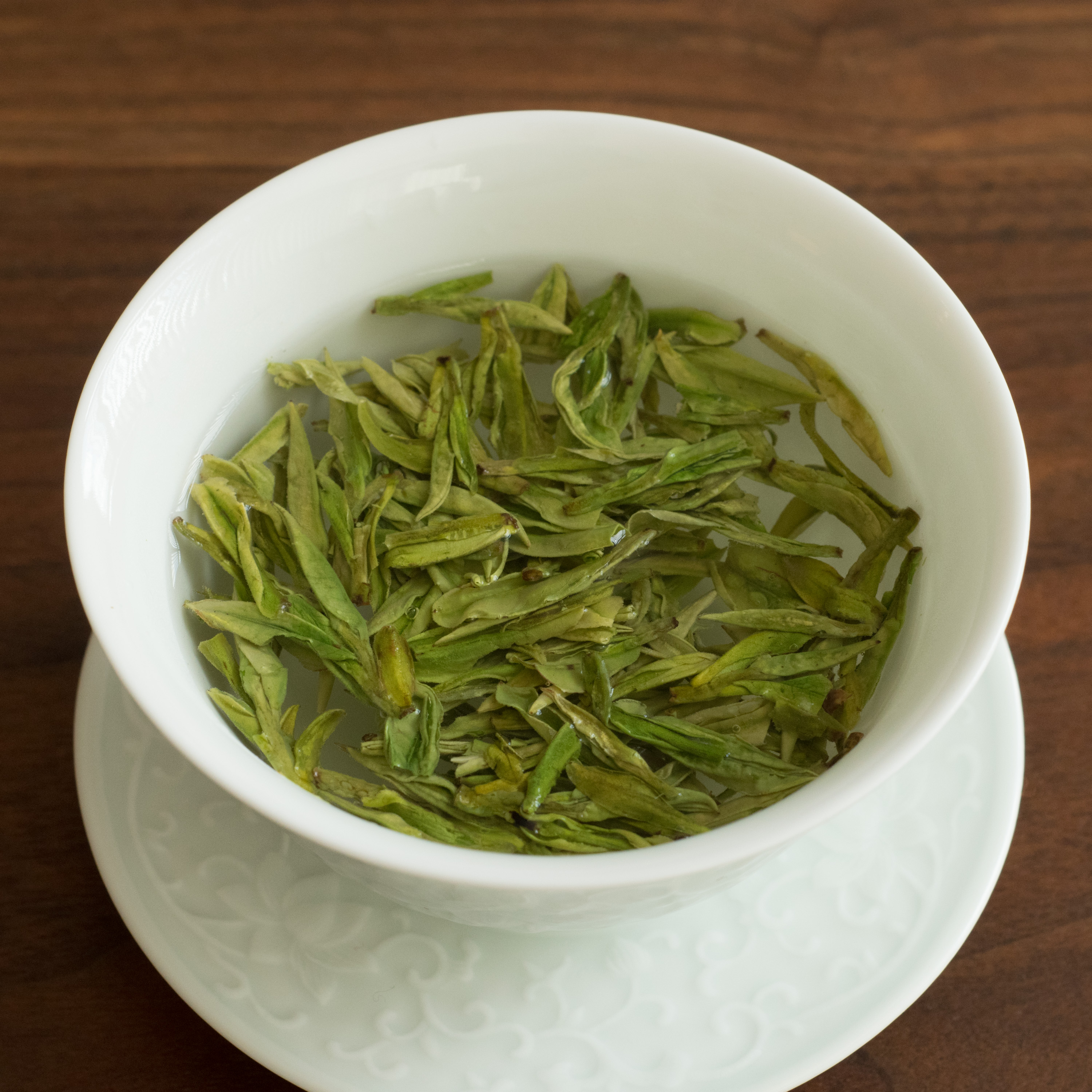
Tea is an aromatic beverage commonly prepared by pouring hot or boiling water over cured leaves of the tea plant, Camellia sinensis. After water, tea is the most widely consumed beverage in the world. It has a cooling, slightly bitter, and astringent flavour that many people enjoy.
<i>Spirulina</i> represents a biomass of cyanobacteria (blue-green algae) that can be consumed by humans and other animals. There are two species, <i>Arthrospira platensis</i> and <i>Arthrospira maxima</i>.
Psidium cattleianum, named in honour of notable English horticulturist William Cattley, commonly known as Cattley guava or Peruvian guava, is a small tree (2?6 m tall), bearing small red or yellow fruit, which are somewhat sour but sometimes eaten or made into jam. The red-fruited variety, PSIDIUM LITTORALE Var. Longipes, is known as strawberry guava; the yellow-fruited variety, PSIDIUM LITTORALE Var. Littorale (Lucidum) is variously known as lemon guava, ""Yellow-fruited Cherry Guava"", and in Hawaii as waiaw? and is usually smaller. Native to Brazil and adjacent tropical South America, it is closely related to common guava (P. guajava), and like that species is a widespread, highly invasive species in tropical areas, especially Hawai?i. It tends to form dense, monotypic stands which prevent regrowth of native species, and is very difficult to eradicate; it also provides refuge for fruit flies which cause extensive agricultural damage. As an invasive species, it is sometimes erroneously called Chinese guava. Cherry Guava is sporadically naturalised in coastal areas of Queensland and northern New South Wales. It is also naturalised on Lord Howe Island, Norfolk Island and Christmas Island (Navie 2004; Queensland Herbarium 2008).The yellow variety bears even more heavily than the red and generally has larger fruit.

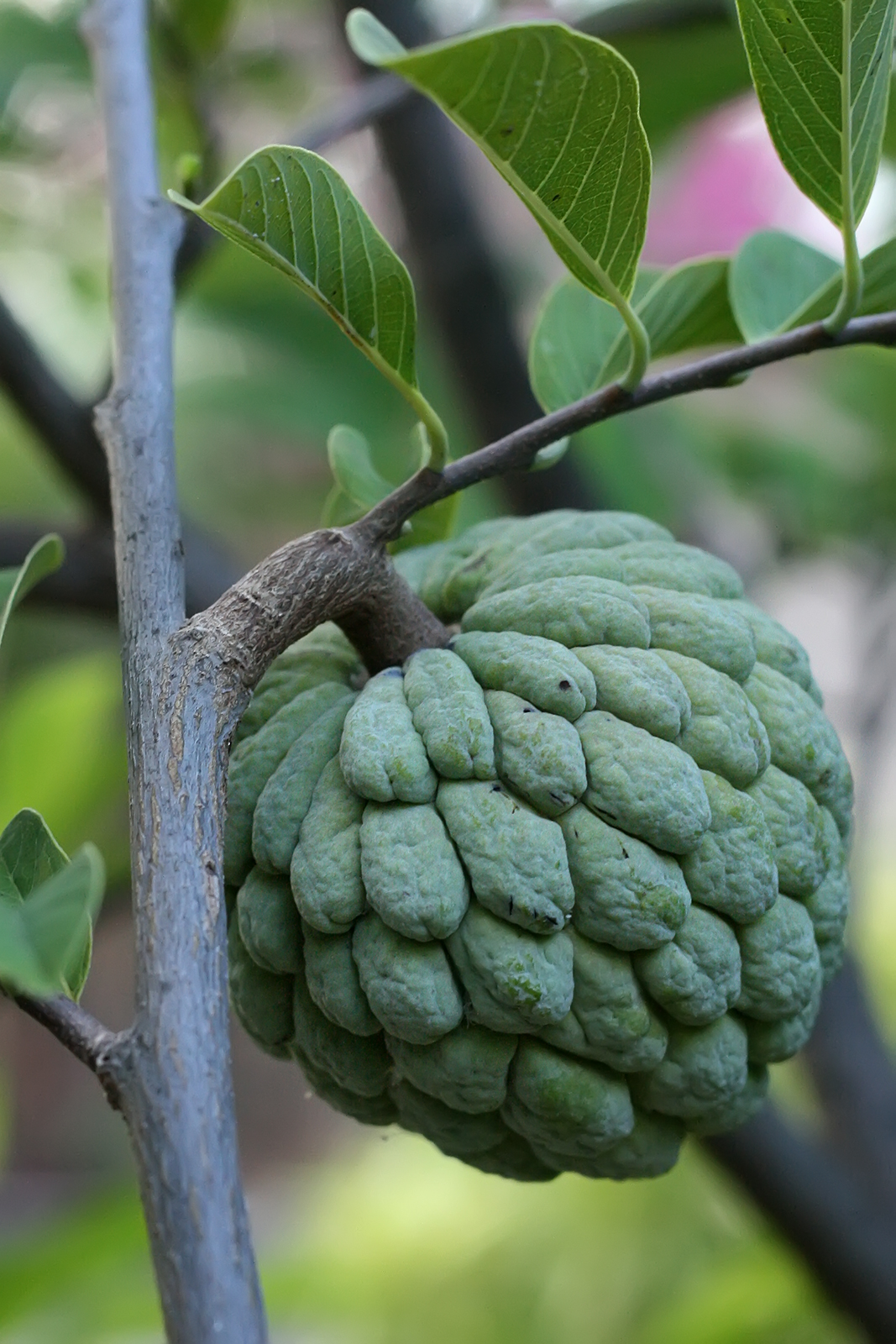
Sugar-apple is the fruit of Annona squamosa, the most widely grown species of Annona and a native of the tropical Americas and West Indies.
Allium haematochiton is a species of wild onion known by the common name redskin onion. It is native to northern Baja California and southern California. It it grows on the slopes of the coastal hills and mountains, such as those of the Peninsular Ranges, Transverse Ranges, and southern California Coast Ranges.
Xanthosoma sagittifolium, the arrowleaf elephant ear or arrowleaf elephant's ear, is a species of tropical flowering plant in the genus Xanthosoma, which produces an edible, starchy tuber.
The black-eyed pea or black-eyed bean, a legume, is a subspecies of the cowpea, grown around the world for its medium-sized, edible bean. The bean mutates easily, giving rise to a number of varieties. The common commercial one is called the California Blackeye; it is pale-colored with a prominent black spot. The currently accepted botanical name is Vigna unguiculata subsp. unguiculata, although previously it was classified in the genus Phaseolus. Vigna unguiculata subsp. dekindtiana is the wild relative and Vigna unguiculata subsp. sesquipedalis is the related asparagus bean. Other beans of somewhat similar appearance, such as the frijol ojo de cabra (goat's eye bean) of northern Mexico, are sometimes incorrectly called black-eyed peas, and vice versa.
Agaricus bisporus—known variously when white as common mushroom, button mushroom, white mushroom, cultivated mushroom, table mushroom, champignon mushroom, crimini mushroom, when brown as Swiss brown mushroom, Roman brown mushroom, Italian brown, Italian mushroom, brown cap mushrooms, chestnut mushroom, and when mature as Portobello mushroom—is an edible basidiomycete mushroom native to grasslands in Europe and North America. Agaricus bisporus is cultivated in more than 70 countries and is one of the most commonly and widely consumed mushrooms in the world.

Pleurotus is a genus of gilled mushrooms which includes one of the most widely eaten mushrooms, P. ostreatus. Species of Pleurotus may be called oyster, abalone, or tree mushrooms, and are some of the most commonly cultivated edible mushrooms in the world. Pleurotus fungi have been used in mycoremediation of pollutants such as petroleum and polycyclic aromatic hydrocarbons.

The onion (Allium cepa) (Latin 'cepa' = onion), also known as the bulb onion or common onion, is used as a vegetable and is the most widely cultivated species of the genus Allium. This genus also contains several other species variously referred to as onions and cultivated for food, such as the Japanese bunching onion (A. fistulosum), the Egyptian onion (A. ×proliferum), and the Canada onion (A. canadense). The name "wild onion" is applied to a number of Allium species but A. cepa is exclusively known from cultivation and its ancestral wild original form is not known, although escapes from cultivation have become established in some regions.The onion is most frequently a biennial or a perennial plant, but is usually treated as an annual and harvested in its first growing season.

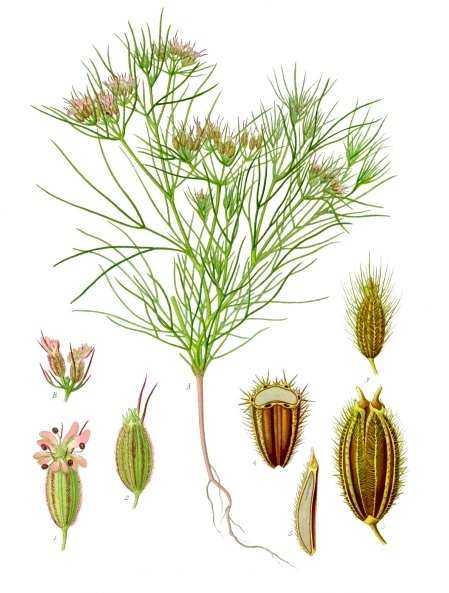
Cumin (Cuminum cyminum) is a flowering plant in the family Apiaceae as caraway, parsley, and dill., native from the east Mediterranean to India. Its seeds (each one contained within a fruit, which is dried) are used in the cuisines of many different cultures, in both whole and ground form. It also has many uses as a traditional medicinal plant. In the ancient Egyptian civilization, cumin was used as spice and as preservative in mummification. Cumin seed is used as a spice for its distinctive flavour and aroma. Cumin can be found in some cheeses, such as Leyden cheese, and in some traditional breads from France. Cumin can be an ingredient in chili powder (often Tex-Mex or Mexican-style), and is found in achiote blends, adobos, sofrito, garam masala, curry powder, and bahaarat. In South Asian cooking, it is often combined with coriander seeds in a powdered mixture called dhana jeera. Cumin's distinctive flavour is strong. It has a warm aroma due to its essential oil content. Its main constituent aroma compounds are cuminaldehyde (a promising agent against alpha-synuclein aggregation) and cuminic alcohol. Other important aroma compounds of toasted cumin are the substituted pyrazines, 2-ethoxy-3-isopropylpyrazine, 2-methoxy-3-sec-butylpyrazine, and 2-methoxy-3-methylpyrazine. Other components include γ-terpinene, safranal, p-cymene and β-pinene [Wikipedia]

The globe artichoke (Cynara cardunculus var. scolymus) is a cultivated variety of a species of thistle. It is cultivated as a food. The edible matter is buds that form within the flower heads before the flowers come into bloom. The buds go away or change to a coarse, barely edible form when the flower blooms. The uncultivated or wild variety of the species is called a cardoon. It is a perennial plant native to the Mediterranean region.
Buckwheat (Fagopyrum esculentum) is a plant cultivated for its grain-like seeds, and also used as a cover crop. Despite the name, buckwheat is not related to wheat, as it is not a grass; instead, buckwheat is related to sorrel, knotweed, and rhubarb. The cultivation of buckwheat grain declined sharply in the 20th century with the adoption of nitrogen fertilizer that increased the productivity of other staples. A related species, Fagopyrum tataricum (Tartary buckwheat) is also cultivated as a grain in the Himalayas.
The soybean (US) or soya bean (UK) (Glycine max) is a species of legume native to East Asia, widely grown for its edible bean which has numerous uses. The plant is classed as an oilseed rather than a pulse by the UN Food and Agricultural Organization (FAO). Fat-free (defatted) soybean meal is a significant and cheap source of protein for animal feeds and many prepackaged meals; soy vegetable oil is another product of processing the soybean crop. For example, soybean products such as textured vegetable protein (TVP) are ingredients in many meat and dairy analogues. Soybeans produce significantly more protein per acre than most other uses of land. Traditional nonfermented food uses of soybeans include soy milk, and from the latter tofu and tofu skin. Fermented foods include soy sauce, fermented bean paste, natto, and tempeh, among others. The oil is used in many industrial applications. The main producers of soy are the United States (35%), Brazil (27%), Argentina (19%), China (6%) and India (4%). The beans contain significant amounts of phytic acid, alpha-linolenic acid, and isoflavones.
Capsicum pubescens is a species of the genus Capsicum (pepper), which is found primarily in Central and South America. The plants, but especially the fruits, are often referred to as "rocoto":http://en.wikipedia.org/wiki/Rocoto and locoto. As they reach a relatively advanced age and the roots lignify quickly, sometimes the familiar name is tree chili. Of all the domesticated species of peppers, this is the least widespread and systematically furthest away from all others. [Wikipedia]
Barley (Hordeum vulgare L. ), a member of the grass family, is a major cereal grain. Important uses include use as animal fodder, as a source of fermentable material for beer and certain distilled beverages, and as a component of various health foods. It is used in soups and stews, and in barley bread of various cultures. Barley grains are commonly made into malt in a traditional and ancient method of preparation. In a 2007 ranking of cereal crops in the world, barley was fourth both in terms of quantity produced (136 million tons) and in area of cultivation (566,000 km²).

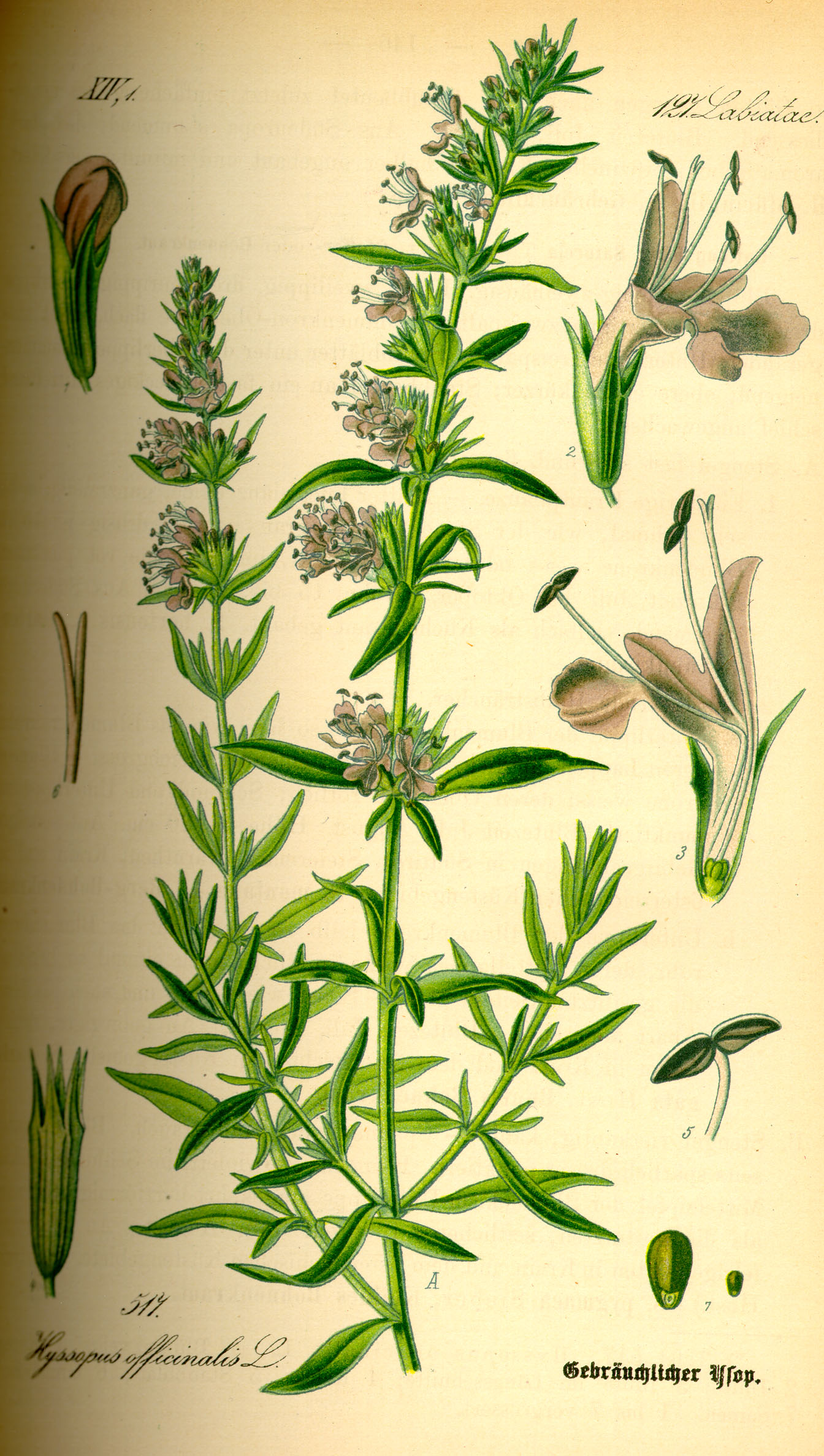
Hyssopus officinalis, hyssop is a herbaceous plant of the genus Hyssopus native to Southern Europe, the Middle East, and the region surrounding the Caspian Sea. Due to its properties as an antiseptic, cough reliever, and expectorant, it is commonly used as an aromatic herb and medicinal plant.

A pulse (Latin "puls", from Ancient Greek πόλτος póltos, “porridge”), sometimes called a "grain legume", is an annual leguminous crop yielding from one to twelve seeds of variable size, shape, and color within a pod. Pulses are used for food for humans and other animals. Included in the pulses are: dry beans like pinto beans, kidney beans and navy beans; dry peas; lentils; and others.

Green beans, also known as string beans, snap beans in the northeastern and western United States, or ejotes in Mexico, are the unripe fruit of various cultivars of the common bean (<i>Phaseolus vulgaris</i>). Green bean cultivars have been selected especially for the fleshiness, flavor, or sweetness of their pods. Haricots verts, French for "green beans", also known as French beans, French green beans, French filet beans, Fine beans (British English), is a variety of green bean that is longer, thinner, crisp, and tender. It is different from the haricot bean, which is a dry bean. (Wikipedia)

<i>Amelanchier alnifolia</i>, the saskatoon, Pacific serviceberry, western serviceberry, alder-leaf shadbush, dwarf shadbush, chuckley pear, or western juneberry, is a shrub with edible berry-like fruit, native to North America from Alaska across most of western Canada and in the western and north-central United States. Historically, it was also called pigeon berry. It grows from sea level in the north of the range, up to 2,600 m (8,530 ft) elevation in California and 3,400 m (11,200 ft) in the Rocky Mountains, and is a common shrub in the forest understory. (Wikipedia)
Black tea is a type of tea that is more oxidized than oolong, green, and white teas.Black tea is generally stronger in flavour than other teas.It is made from leaves of the shrub (or small tree) Camellia sinensis.In China, where black tea was discovered,the beverage is called "red tea" due to the color of the oxidized leaves when processed appropriately.Plain black tea without sweeteners or additives contains caffeine, but negligible quantities of calories or nutrients.

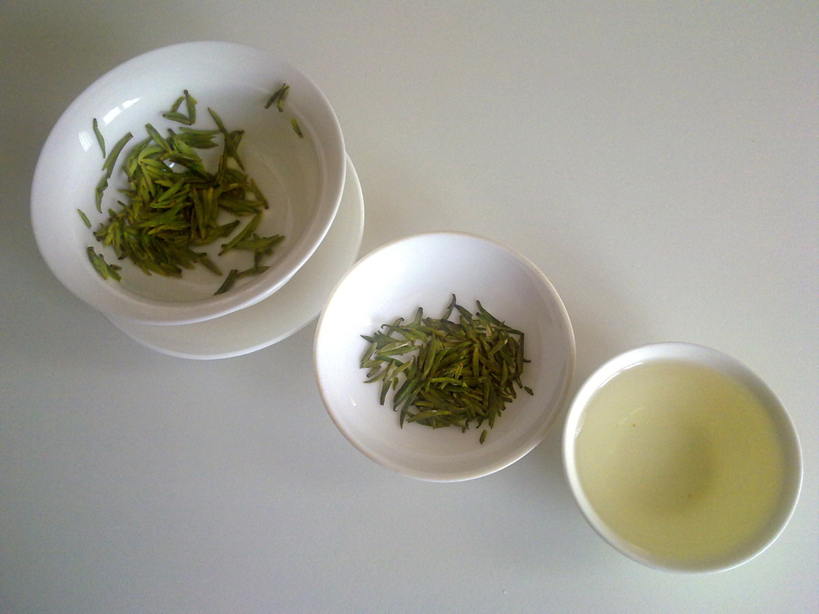
Green tea is a type of tea that is made from Camellia sinensis leaves and buds that have not undergone the same withering and oxidation process used to make oolong teas and black teas.Green tea originated in China, but its production and manufacture has spread to many other countries in Asia. Several varieties of green tea exist, which differ substantially based on the variety of C. sinensis used, growing conditions, horticultural methods, production processing, and time of harvest.
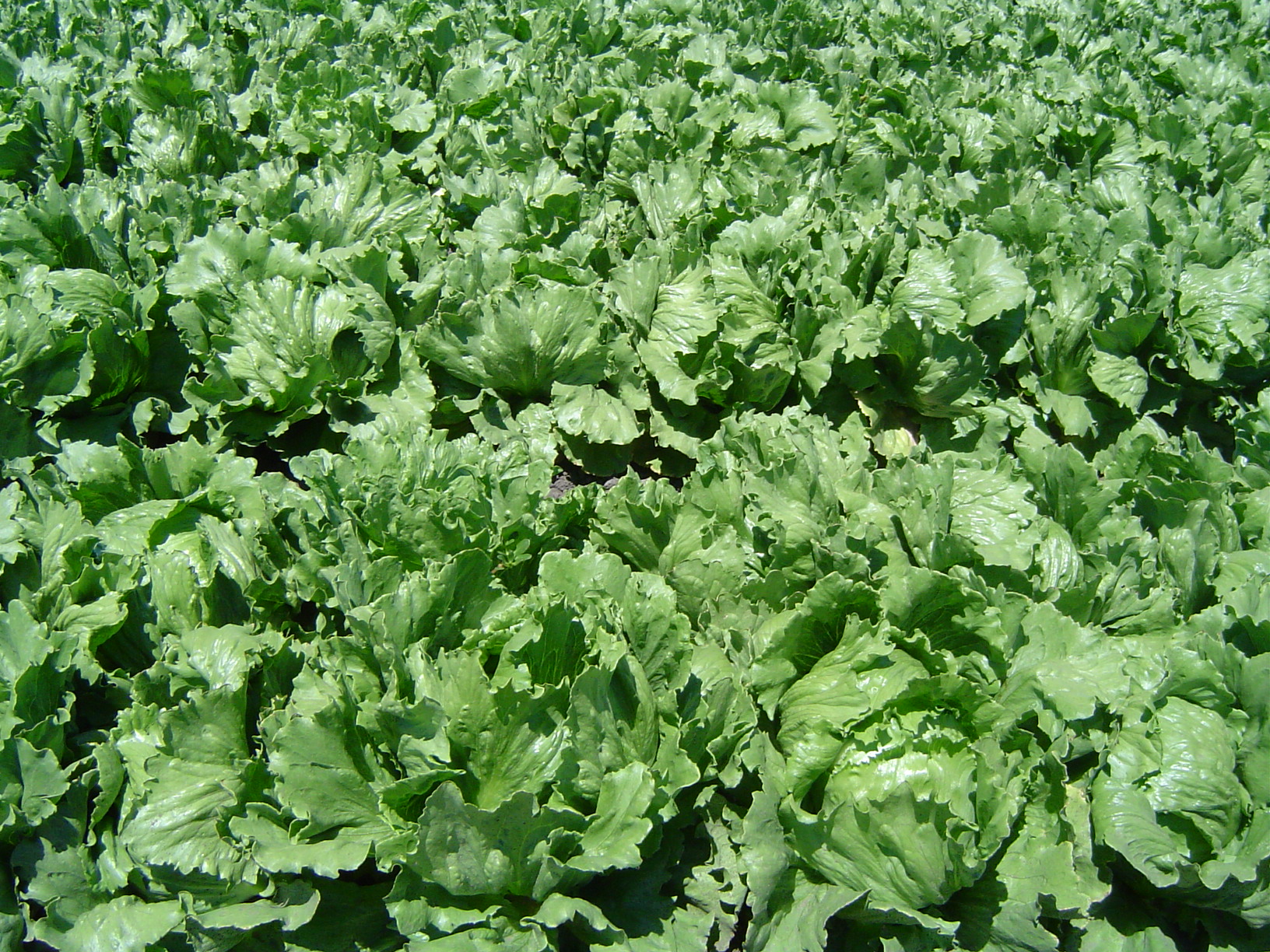
Around 50 AD, lettuce leaves were often cooked and served by the Romans with an oil-and-vinegar dressing; however, smaller leaves were sometimes eaten raw. During the 81?96 AD reign of Domitian, the tradition of serving a lettuce salad before a meal began. Post-Roman Europe continued the tradition of poaching lettuce, mainly with large romaine types, as well as the method of pouring a hot oil and vinegar mixture over the leaves. Today, the majority of lettuce is grown for its leaves, although one type is grown for its stem and one for its seeds, which are made into an oil. Most lettuce is used in salads, either alone or with other greens, vegetables, meats and cheeses. Romaine lettuce is often used for Caesar salads, with a dressing that includes anchovies and eggs. Lettuce leaves can also be found in soups, sandwiches and wraps, while the stems are eaten both raw and cooked. The consumption of lettuce in China developed differently from in Western countries, due to health risks and cultural aversion to eating raw leaves. In that country, "salads" were created from cooked vegetables and served hot or cold. Lettuce was also used in a larger variety of dishes than in Western countries, contributing to a range of dishes including bean curd and meat dishes, soups and stir-frys plain or with other vegetables. Stem lettuce, widely consumed in China, is eaten either raw or cooked, the latter primarily in soups and stir-frys.

Cress (Lepidium sativum), sometimes referred to as garden cress to distinguish it from similar plants also referred to as cress. Garden Cress is a rather fast-growing, edible herb. Garden cress is genetically related to watercress and mustard, sharing their peppery, tangy flavor and aroma. In some regions, garden cress is known as mustard and cress, garden pepper cress, pepper grass, pepperwort or poor person's pepper. This annual plant can reach a height of 60 cm (~24 inches), with many branches on the upper part. The white to pinkish flowers are only 2 mm (1/12 of an inch) across, clustered in branched racemes.
Source
Compound data linked to PubChem CID 74427817, public domain via NCBI. Culinary context + ingredient mappings are maintained by Foodgeist's enrichment fleet and continuously re-matched by the pairings engine. PubChem CID 74427817