Devilfish + Mexican groundcherry
<i>Myoxocephalus</i> is a genus of fish in the sculpin family Cottidae. Most species live in marine waters, but there are also three freshwater species, including two that occupy northern lakes (<i>Myoxocephalus quadricornis</i> and <i>M. thompsonii</i>). The name is derived from Greek <i>myos</i> (muscle) and <i>kephale</i> (head). (Wikipedia)
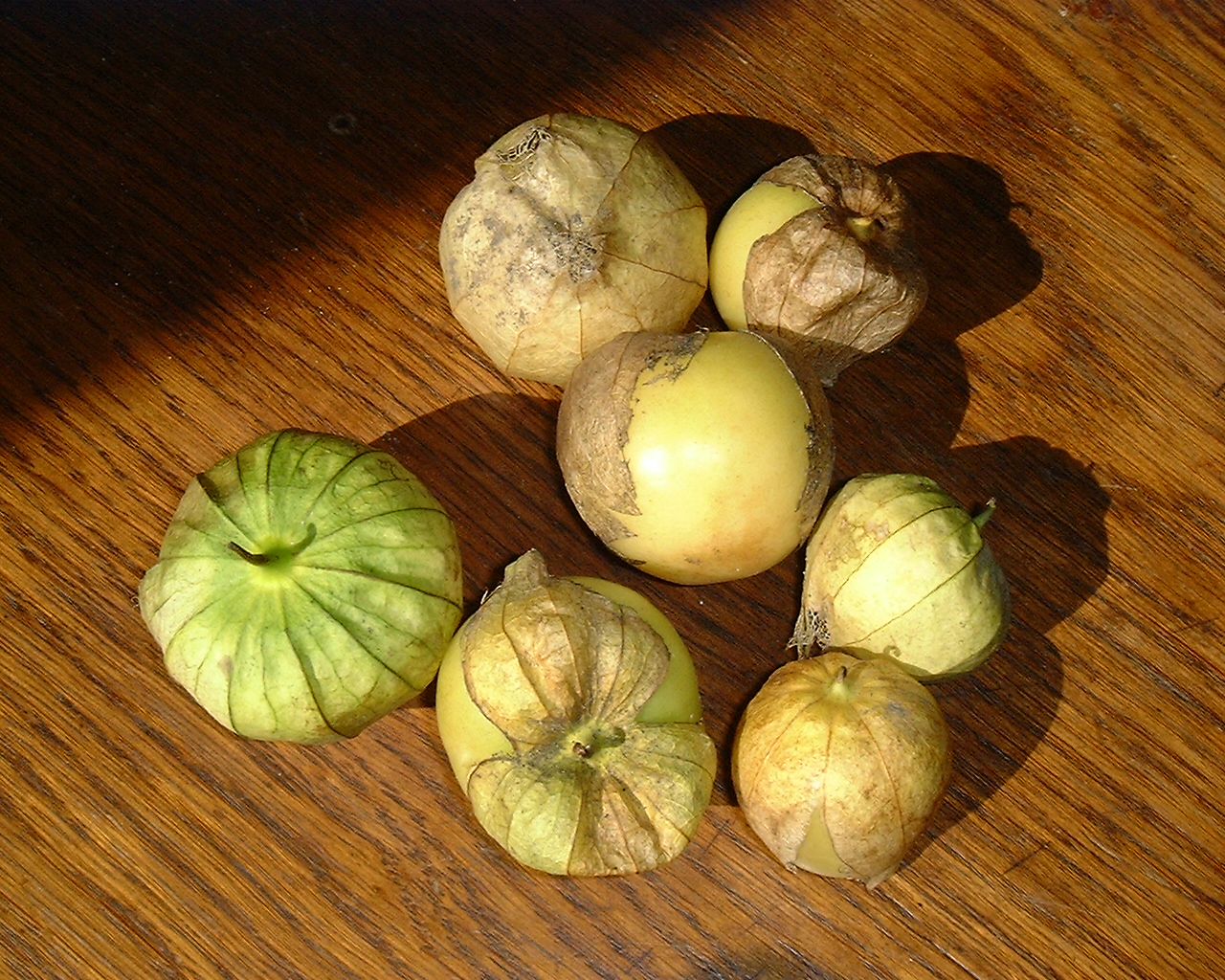
The tomatillo (Physalis philadelphica) is a plant of the nightshade family, related to the cape gooseberry, bearing small, spherical and green or green-purple fruit of the same name. Tomatillos originated in Mexico,[1] and are a staple of that country's cuisine. Tomatillos are grown as annuals throughout the Western Hemisphere. Tomatillos are generally eaten fried, boiled or steamed.
Shared flavor compounds
These compounds appear in both Devilfish and Mexican groundcherry, giving them a molecular basis for flavor affinity, the pairing principle articulated by Francois Benzi and implemented in flavor-pairing research.
Why it works
The flavor-pairing hypothesis proposes that ingredients sharing significant aromatic compounds harmonize on the palate. Devilfish and Mexican groundcherry overlap on 20 key compound(s), which is why classic culinary traditions, and our deterministic matching algorithm, place them together.
- Pairing computed by: pairing-compute
- Methodology: deterministic compound-overlap matching (no LLM)
- Compound data: Wikidata + Wikidata
- Part of: Living Gastronomic Intelligence graph