Hickory nut + Jujube

Hickory (from Powhatan) is a type of tree, comprising the genus Carya (Ancient Greek: κάρυον "nut"). The genus includes 17?19 species of deciduous trees with pinnately compound leaves and big nuts. Five or six species are native to China, Indochina, and India (State of Assam), 11 or 12 are from the United States, two to four are from Canada and four are found in Mexico. Hickory flowers are small, yellow-green catkins produced in spring. They are wind-pollinated and self-incompatible. The fruit is a globose or oval nut, 2-5 cm (0.79-1.97 in) long and 1.5-3 cm (0.59-1.18 in) diameter, enclosed in a four-valved husk, which splits open at maturity. The nut shell is thick and bony in most species, and thin in a few, notably C. illinoinensis; it is divided into two halves, which split apart when the seed germinates.
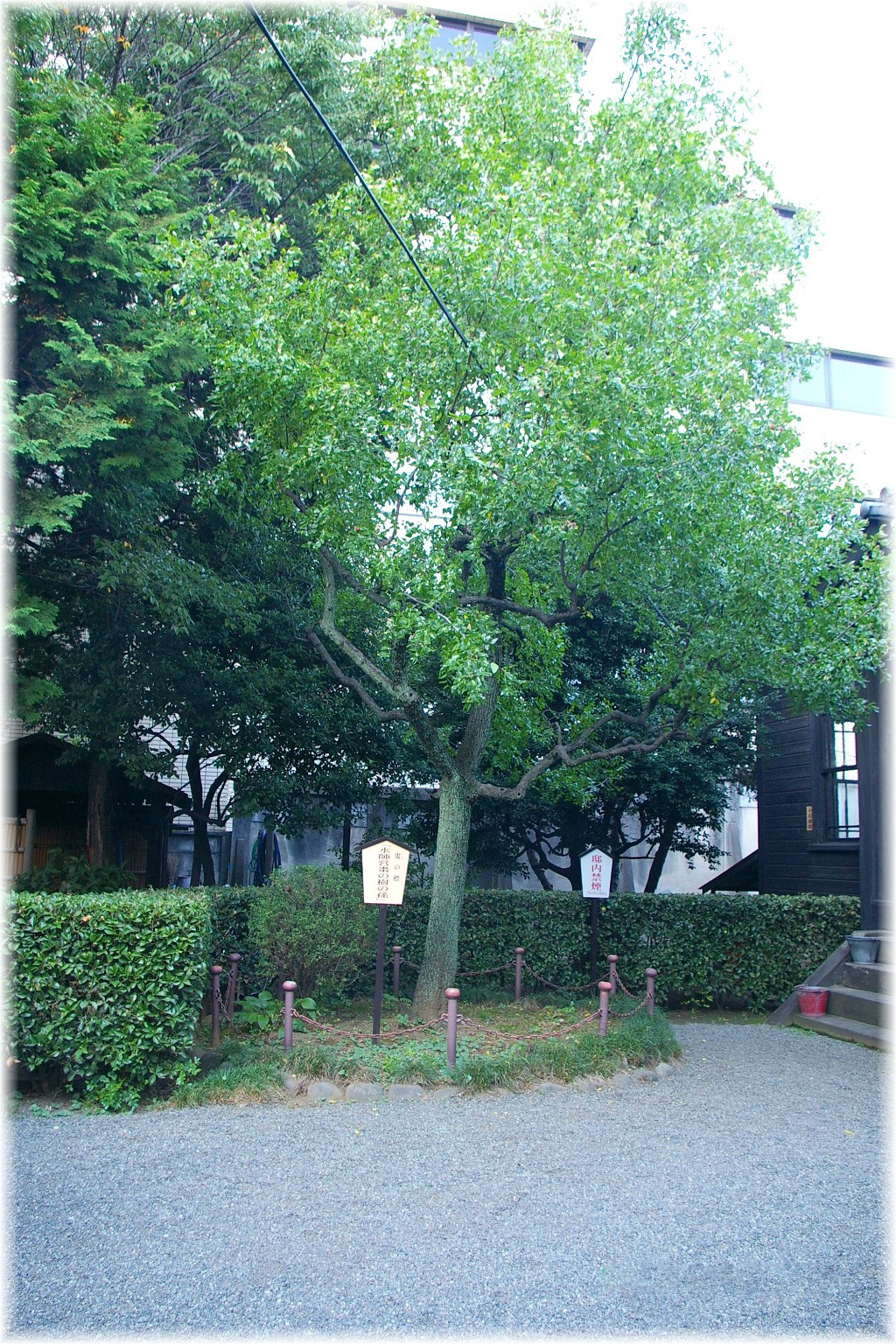
Ziziphus jujuba (from Greek ζίζυφον, zízyphon), commonly called jujube (sometimes jujuba), red date, Chinese date, Korean date, or Indian date is a species of Ziziphus in the buckthorn family (Rhamnaceae), used primarily as a shade tree that also bears fruit.
Shared flavor compounds
These compounds appear in both Hickory nut and Jujube, giving them a molecular basis for flavor affinity, the pairing principle articulated by Francois Benzi and implemented in flavor-pairing research.
Why it works
The flavor-pairing hypothesis proposes that ingredients sharing significant aromatic compounds harmonize on the palate. Hickory nut and Jujube overlap on 20 key compound(s), which is why classic culinary traditions, and our deterministic matching algorithm, place them together.
- Pairing computed by: pairing-compute
- Methodology: deterministic compound-overlap matching (no LLM)
- Compound data: Wikidata + Wikidata
- Part of: Living Gastronomic Intelligence graph