Jujube + Nance
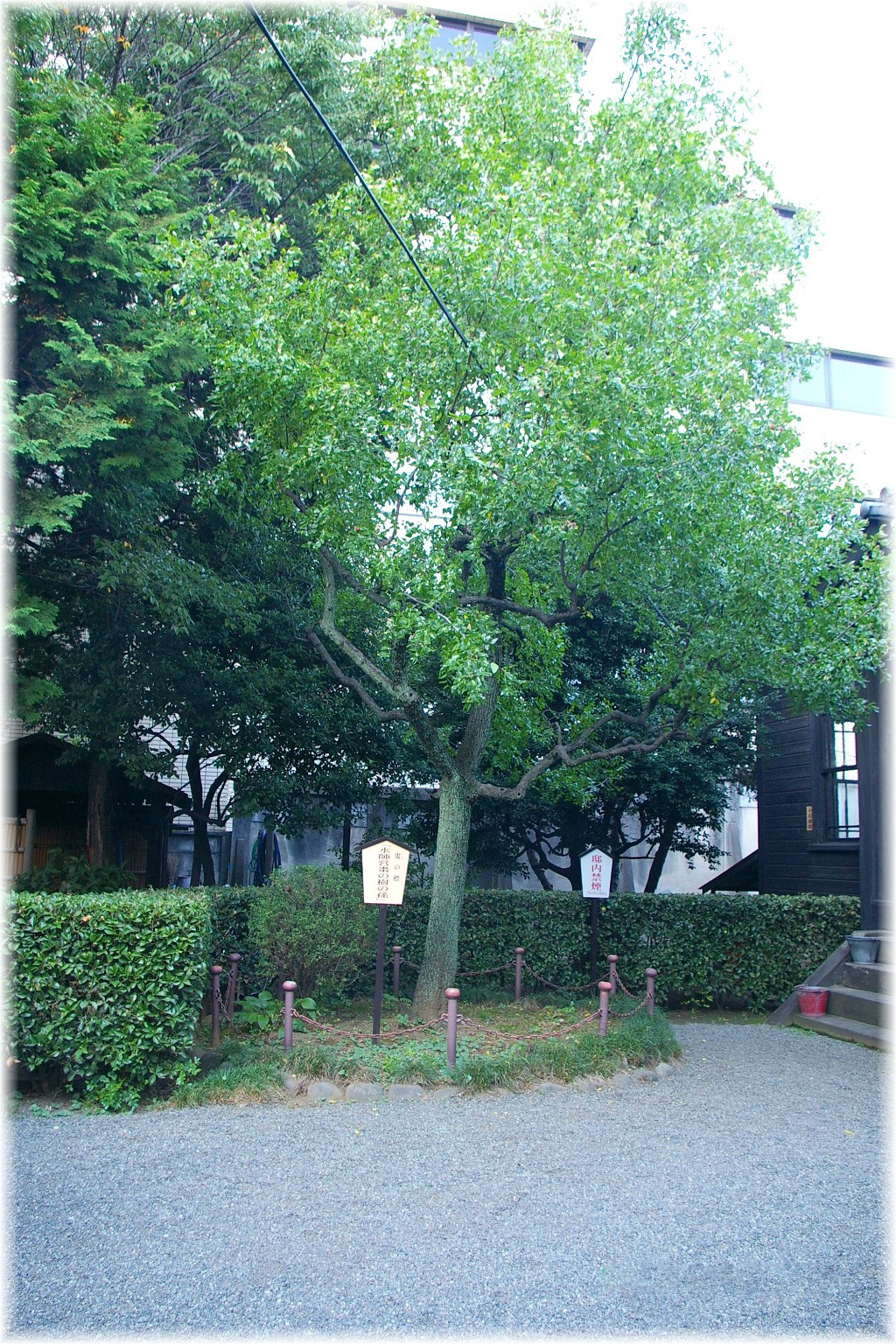
Ziziphus jujuba (from Greek ζίζυφον, zízyphon), commonly called jujube (sometimes jujuba), red date, Chinese date, Korean date, or Indian date is a species of Ziziphus in the buckthorn family (Rhamnaceae), used primarily as a shade tree that also bears fruit.
Nance (also called craboo, kraabu, Savanna Serrette and Golden Spoon) is a species native to tropical America. It is valued for its small, sweet, yellow fruit, which are strongly scented. The fruits are eaten raw or cooked as dessert. In rural Panama, the dessert prepared with the addition of sugar and flour, known as pesada de nance, is quite popular. The fruits are also made into dulce de nance, a candy prepared with the fruit cooked in sugar and water. In Nicaragua (where the fruit is called nancite), it is a popular ingredient for several desserts, including raspados (mixed with ice). The fruits are often used to prepare carbonated beverages, flavor mezcal-based liqueurs, or make an oily, acidic, fermented beverage known as chicha, the standard term applied to assorted beer-like drinks made of fruits or maize. Nance is used to distill a rum-like liquor called crema de nance in Costa Rica. Mexico produces a licor de nanche. [Wikipedia]
Shared flavor compounds
These compounds appear in both Jujube and Nance, giving them a molecular basis for flavor affinity, the pairing principle articulated by Francois Benzi and implemented in flavor-pairing research.
Why it works
The flavor-pairing hypothesis proposes that ingredients sharing significant aromatic compounds harmonize on the palate. Jujube and Nance overlap on 20 key compound(s), which is why classic culinary traditions, and our deterministic matching algorithm, place them together.
- Pairing computed by: pairing-compute
- Methodology: deterministic compound-overlap matching (no LLM)
- Compound data: Wikidata + Wikidata
- Part of: Living Gastronomic Intelligence graph