PubChem CID · CC0
dihydrodaidzein
Foods containing this compound
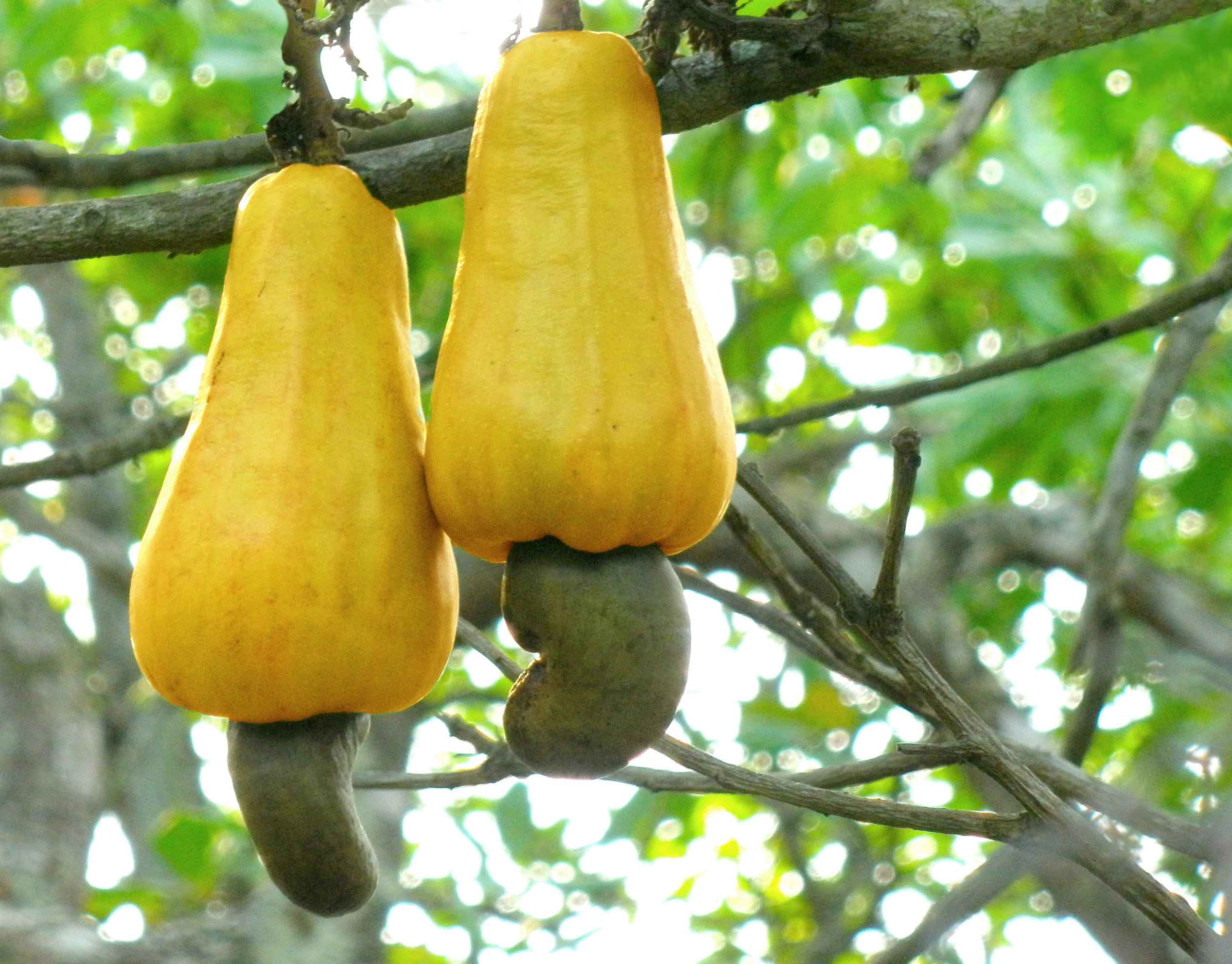
The cashew, or caju, is a small tree native to Brazil. Cashew nuts are the seeds of the cashew apple, and are found in the grey bump at the end of the fruit. The cashew apple itself is sweet, soft and juicy.Cashews are usually sold roasted and salted and eaten as a snack.

The Poppy is an Angiospermae or flowering plant of the family Papaveraceae. Ornamental poppies are grown for their colorful flowers; some varieties of poppy are used as food, whilst other varieties produce the powerful medicinal alkaloid opium which has been used since ancient times to create analgesic and narcotic medicinal and recreational drugs. Following the trench warfare of the 1st World War which took place in the poppy fields of Flanders, red poppies have become a symbol of remembrance of soldiers who have died during wartime. Poppy flowers have 4 to 6 petals, many stamens forming a conspicuous whorl in the center of the flower and an ovary consisting of from 2 to many fused carpels. Poppies can grow to be over 4 feet tall, and 6 inches across. (Simon, Chadwick, and Craker 1984) The petals are showy, may be of almost any color and some have markings. The petals are crumpled in the bud and as blooming finishes, the petals often lie flat before falling away. The poppy will become dormant after blooming. Poppies are in full bloom late spring to early summer. (Simon, Chadwick, and Craker 1984) Most species secrete latex when injured. The pollen of the oriental poppy, Papaver orientale, is dark blue. The Papaver Somniferum poppy is mainly grown in Eastern and Southern Asia, and South Eastern Europe. It is believed that it originated in the Mediterranean region. (Jonsson and Krzymanski, 1989) The pollen of the field poppy or corn poppy (Papaver rhoeas) is dark green to grey. Bees use poppies as a pollen source. Poppies belong to genera of Papaveraceae, which includes: Papaver – corn poppy, Opium poppy, Oriental poppy, Iceland poppy, and about 120 other species Eschscholzia – California poppy and relatives Meconopsis – Welsh poppy, Nepal poppy, and relatives Stylophorum – Celandine poppy or wood poppy Argemone – Prickly poppy Romneya – Matilija poppy and relatives Canbya – Pygmy poppy Stylomecon – Wind poppy Arctomecon – desert bearpaw poppy Hunnemannia – Tulip poppy Dendromecon – Tree poppy
Phaseolus coccineus, known as runner bean, scarlet runner bean, or multiflora bean, is a plant in the Fabaceae family. Runner beans have also been called "Oregon Lima Bean", and in Nahuatl "ayocotl" or in Spanish "ayocote". It differs from the common bean (P. vulgaris) in several respects: the cotyledons stay in the ground during germination, and the plant is a perennial vine with tuberous roots (though it is usually treated as an annual). This species originated from the mountains of Central America. Most varieties have red flowers and multicolored seeds (though some have white flowers and white seeds), and they are often grown as ornamental plants.

Phaseolus vulgaris, the common bean, string bean, field bean, flageolet bean, French bean, garden bean, haricot bean, pop bean, or snap bean, is a herbaceous annual plant grown worldwide for its edible fruit, either the dry seed or the unripe fruit, both of which are referred to as beans. The leaf is also occasionally used as a vegetable, and the straw can be used for fodder. Along with other species of the bean genus (Phaseolus), it is classified botanically into the legume family (Fabaceae), most of whose members acquire nitrogen through an association with rhizobia, a species of nitrogen-fixing bacteria.
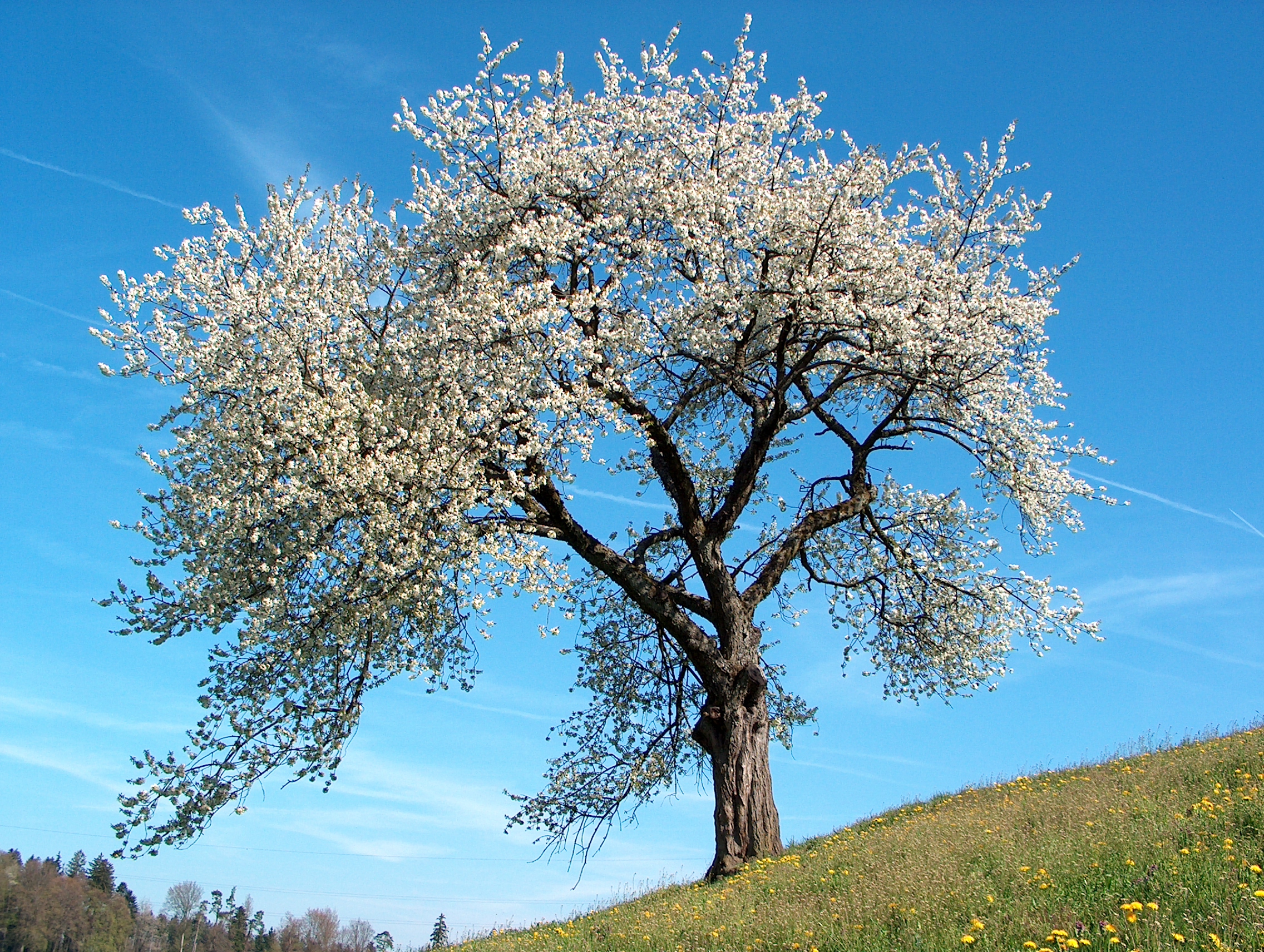
Prunus is a genus of trees and shrubs, which includes the plums, cherries, peaches, nectarines, apricots and almonds. Around 430 species are spread throughout the northern temperate regions of the globe. Many members of the genus are widely cultivated for fruit and ornament. The fruit from this genus are commonly called the stone fruit.
Prunus cerasus (sour cherry, tart cherry or wild cherry) is a species of Prunus in the subgenus Cerasus (cherries), native to much of Europe and southwest Asia. It is closely related to the sweet cherry (Prunus avium), but has a fruit that is more acidic, has greater nutritional benefits, and may have greater medicinal effects. Dried sour cherries are used in cooking including soups, pork dishes, cakes, tarts, and pies. Sour cherries or sour cherry syrup are used in liqueurs and drinks. In Turkey, Greece and Cyprus, sour cherries are especially prized for making spoon sweets by slowly boiling pitted sour cherries and sugar; the syrup thereof is used for vişne şurubu or vyssináda, a beverage made by diluting the syrup with ice-cold water. A particular use of sour cherries is in the production of kriek lambic, a cherry-flavored variety of a naturally fermented beer made in Belgium [Wikipedia].
The peach (Prunus persica) is a deciduous tree, native to North-West China, in the region between the Tarim basin and the north slopes of the Kunlun Shan mountains, where it was first domesticated and cultivated. It bears an edible juicy fruit also called a peach. The species name persica refers to its widespread cultivation in Persia, whence it was transplanted to Europe. It belongs to the genus Prunus which includes the cherry and plum, in the family Rosaceae. The peach is classified with the almond in the subgenus Amygdalus, distinguished from the other subgenera by the corrugated seed shell.
Wild celery is a common name for several plants Wild celery may refer to Wild growing forms of celery, Apium graveolens Angelica archangelica, cultivated as a vegetable and medicinal plant Lovage, Levisticum officinale, sometimes known as wild celery Vallisneria americana, an aquatic plant in the Hydrocharitaceae family
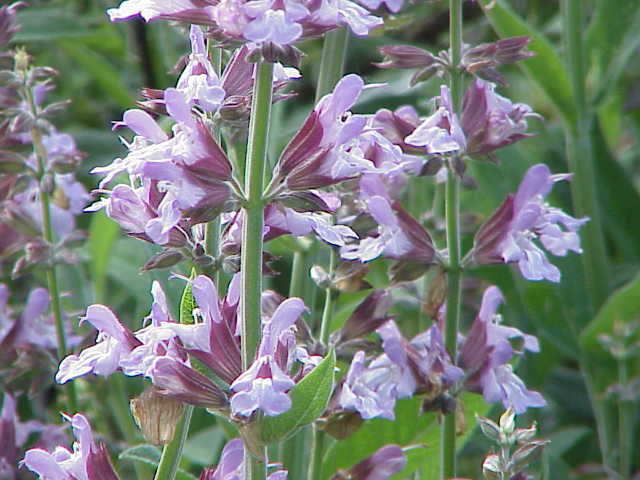

The common oat (Avena sativa) is a species of cereal grain grown for its seed, which is known by the same name (usually in the plural, unlike other grains). While oats are suitable for human consumption as oatmeal and rolled oats, one of the most common uses is as livestock feed.
The American butterfish, Peprilus triacanthus, is a butterfish of the family Stromateidae. It is also known as a dollarfish, shiner, skipjack, sheepshead, or harvestfish.

Chervil (Anthriscus cerefolium), sometimes called garden chervil to distinguish it from similar plants also called chervil, or French parsley, is a delicate annual herb related to parsley. It is commonly used to season mild-flavoured dishes and is a constituent of the French herb mixture fines herbes.

The Chinese water chestnut (Eleocharis dulcis; synonyms E. equisetina, E. indica, E. plantaginea, E. plantaginoides, E. tuberosa, E. tumida), more often called simply the water chestnut, is a grass-like sedge grown for its edible corms. The water chestnut is actually not a nut at all, but an aquatic vegetable that grows in marshes, underwater in the mud. It has tube-shaped, leafless green stems that grow to about 1.5 metres. The water caltrop, which is also referred to by the same name, is unrelated and often confused with the water chestnut.

The garland chrysanthemum, Chrysanthemum coronarium or Leucanthemum coronarium, also known as chrysanthemum greens or edible chrysanthemum, is native to the Mediterranean and East Asia. It is a leaf vegetable in the genus Chrysanthemum, or by some botanists in Leucanthemum.

Broccoli is an edible green plant in the cabbage family, whose large flowering head is used as a vegetable. The word broccoli comes from the Italian plural of broccolo, which means "the flowering top of a cabbage", and is the diminutive form of brocco, meaning "small nail" or "sprout". Broccoli is often boiled or steamed but may be eaten raw.
Valerianella locusta is a small dicot annual plant of the family Valerianaceae. It is an edible salad green with a characteristic nutty flavor, dark green color, and soft texture. Common names include corn salad (or cornsalad), lamb's lettuce, mâche, fetticus, feldsalat, nut lettuce, field salad and rapunzel. In restaurants that feature French cooking, this salad green may be called doucette or raiponce, as an alternative to mâche, by which it is best known.

Cottonseed is the seed of the cotton plant (gossypium). The mature seeds are brown ovoids weighing about a tenth of a gram. By weight, they are 60% cotyledon, 32% coat and 8% embryonic root and shoot. These are 20% protein, 20% oil and 3.5% starch. Fibres grow from the seed coat to form a boll of cotton lint. The boll is a protective fruit and when the plant is grown commercially, it is stripped from the seed by ginning and the lint is then processed into cotton fibre. For every hundred weight of fibre, about one hundred and sixty weight of seeds are produced. The seeds are about 15% of the value of the crop and are pressed to make oil and used as animal feed. About 5% of the seeds are used to sow the next crop.

Ginkgo, also spelled gingko and known as the maidenhair tree, is a unique species of tree with no close living relatives. The ginkgo is a living fossil, recognisably similar to fossils dating back 270 million years. Native to China, the tree is widely cultivated and introduced early in human history, and has various uses as a food and in traditional medicine.
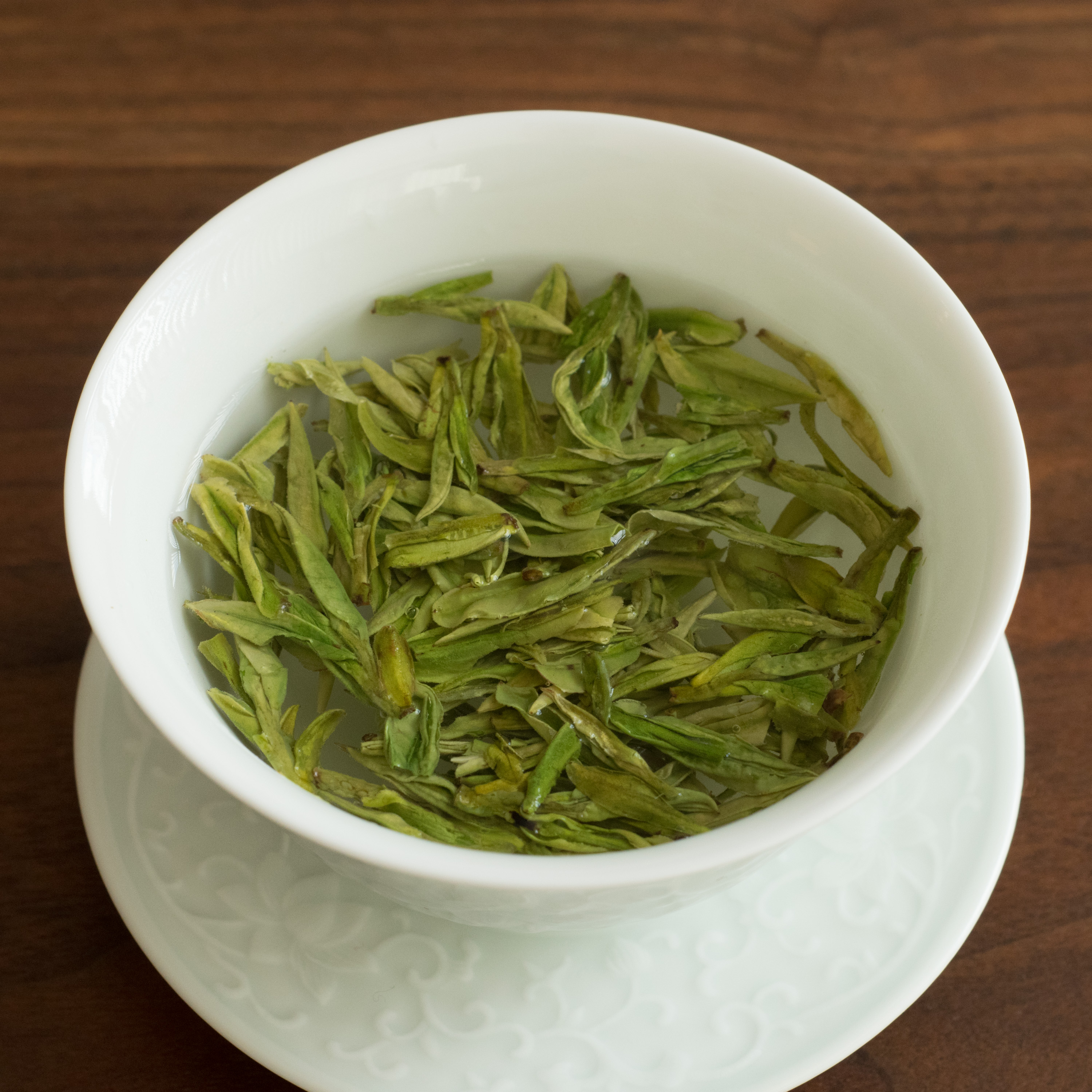
Tea is an aromatic beverage commonly prepared by pouring hot or boiling water over cured leaves of the tea plant, Camellia sinensis. After water, tea is the most widely consumed beverage in the world. It has a cooling, slightly bitter, and astringent flavour that many people enjoy.

Moringa oleifera is the most widely cultivated species of the genus Moringa, which is the only genus in the family Moringaceae. English common names include: moringa, drumstick tree (from the appearance of the long, slender, triangular seed-pods), horseradish tree (from the taste of the roots, which resembles horseradish), ben oil tree or benzoil tree (from the oil which is derived from the seeds). It is a fast-growing, drought-resistant tree, native to the southern foothills of the Himalayas in northwestern India, and widely cultivated in tropical and sub-tropical areas where its young seed pods and leaves are used as a vegetable.
Ziziphus jujuba (from Greek ζίζυφον, zízyphon), commonly called jujube (sometimes jujuba), red date, Chinese date, Korean date, or Indian date is a species of Ziziphus in the buckthorn family (Rhamnaceae), used primarily as a shade tree that also bears fruit.

Nelumbo is a genus of aquatic plants with large, showy flowers resembling the water lily, but not closely related to it. It is commonly called lotus, though this name may be applied to other genera, and there is an unrelated genus Lotus. The generic name is derived from the Sinhalese word Nelum. There are only two known living species in the genus. The sacred lotus (N. nucifera) is native to Asia, and is the better known of the two. It is commonly cultivated, and also used in Chinese medicine and cooking. This species is the national flower of India and Vietnam. The American lotus (N. lutea) is native to North America and the Caribbean. Horticultural hybrids have been produced between these two geographically separated species. A third, extinct species, N. aureavallis, is known from Eocene fossils from North Dakota, United States.
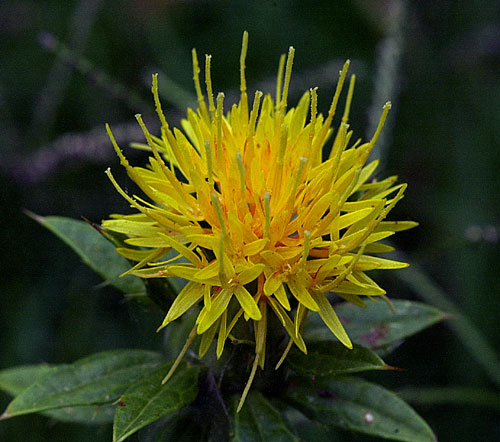
Safflower is a highly branched, herbaceous, thistle-like annual. It is commercially cultivated for vegetable oil extracted from the seeds. Plants are 30 to 150 cm (to in) tall with globular flower heads having yellow, orange, or red flowers. Each branch will usually have from one to five flower heads containing 15 to 20 seeds per head. Safflower is native to arid environments having seasonal rain. It grows a deep taproot which enables it to thrive in such environments.
Komatsuna or Japanese mustard spinach (Brassica rapa var. perviridis) is a leaf vegetable. It is a variety of Brassica rapa, the plant species that yields the turnip, mizuna, napa cabbage, and rapini. It is grown commercially in Japan and Taiwan. The name komatsuna is from the Japanese komatsuna, "small pine tree greens". It is stir-fried, pickled, boiled, and added to soups or used fresh in salads. It is an excellent source of calcium.
Capsicum frutescens is a species of chili pepper that is sometimes considered to be part of the species Capsicum annuum. Pepper cultivars in Capsicum frutescens can be annual or short-lived perennial plants. Flowers are white with a greenish white or greenish yellow corolla, and are either insect- or self-pollinated. The plants' berries typically grow erect; ellipsoid-conical to lanceoloid shaped. They are usually very small and pungent, growing 10?20mm long and 3?7mm in diameter. Fruit typically grows a pale yellow and matures to a bright red, but can also be other colors. C. frutescens has a smaller variety of shapes compared to other Capsicum species, likely because of the lack of human selection. More recently, however, C. frutescens has been bred to produce ornamental strains, because of its large quantities of erect peppers growing in colorful ripening patterns.
Pinus edulis, the Colorado pinyon, two-needle pinyon, or piñon pine, is a pine in the pinyon pine group whose ancestor was a member of the Madro-Tertiary Geoflora (a group of drought resistant trees) and is native to the United States.
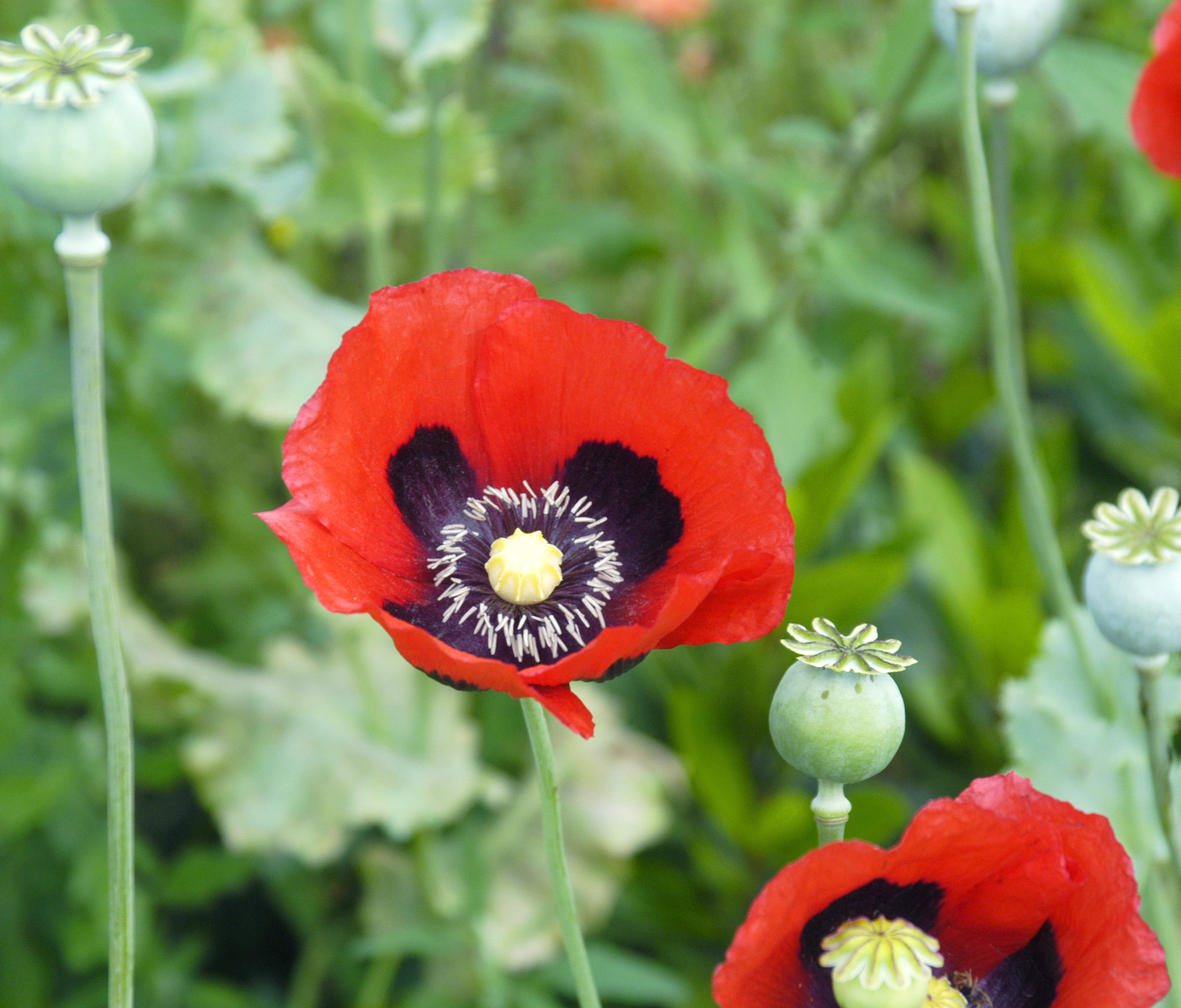
Papaver somniferum, the Opium poppy, is the species of plant from which opium and poppy seeds are derived. Opium is the source of many narcotics, including morphine (and its derivative heroin), thebaine, codeine, papaverine, and noscapine. The Latin botanical name means the "sleep-bringing poppy", referring to the sedative properties of some of these opiates.

Psidium cattleianum, named in honour of notable English horticulturist William Cattley, commonly known as Cattley guava or Peruvian guava, is a small tree (2?6 m tall), bearing small red or yellow fruit, which are somewhat sour but sometimes eaten or made into jam. The red-fruited variety, PSIDIUM LITTORALE Var. Longipes, is known as strawberry guava; the yellow-fruited variety, PSIDIUM LITTORALE Var. Littorale (Lucidum) is variously known as lemon guava, ""Yellow-fruited Cherry Guava"", and in Hawaii as waiaw? and is usually smaller. Native to Brazil and adjacent tropical South America, it is closely related to common guava (P. guajava), and like that species is a widespread, highly invasive species in tropical areas, especially Hawai?i. It tends to form dense, monotypic stands which prevent regrowth of native species, and is very difficult to eradicate; it also provides refuge for fruit flies which cause extensive agricultural damage. As an invasive species, it is sometimes erroneously called Chinese guava. Cherry Guava is sporadically naturalised in coastal areas of Queensland and northern New South Wales. It is also naturalised on Lord Howe Island, Norfolk Island and Christmas Island (Navie 2004; Queensland Herbarium 2008).The yellow variety bears even more heavily than the red and generally has larger fruit.
Taro is a common name for the corms and tubers of several plants in the Araceae family. Of these, Colocasia esculenta is the most widely cultivated. Taro is native to southeast Asia. It is a perennial, tropical plant primarily grown as a root vegetable for its edible starchy corm, and as a leaf vegetable. It is a food staple in African, Oceanic and Asian cultures and is believed to have been one of the earliest cultivated plants. Colocasia is thought to have originated in the Indo-Malayan region, perhaps in eastern India and Bangladesh, and spread eastward into Southeast Asia, eastern Asia, and the Pacific islands; westward to Egypt and the eastern Mediterranean; and then southward and westward from there into East Africa and West Africa, whence it spread to the Caribbean and Americas. It is known by many local names and often referred to as 'elephant ears' when grown as an ornamental plant.
The winter melon, also called white gourd, winter gourd, tallow gourd, Chinese preserving melon, or ash gourd, is a vine grown for its very large fruit, eaten as a vegetable when mature. It is the only member of the genus Benincasa. The fruit is fuzzy when young. The immature melon has thick white flesh that is sweet when eaten. By maturity, the fruit loses its hairs and develops a waxy coating, giving rise to the name wax gourd, and providing a long shelf life. The melon may grow as large as 80 cm in length. Although the fruit is referred to as a "melon," the fully grown crop is not sweet. Originally cultivated in Southeast Asia, the winter melon is now widely grown in East Asia and South Asia as well.
Pachyrhizus erosus, commonly known as jicama, Mexican yam, or Mexican turnip, is the name of a native Mexican vine, although the name most commonly refers to the plant's edible tuberous root. Jícama is a species in the genus Pachyrhizus in the bean family (Fabaceae). Plants in this genus are commonly referred to as yam bean, although the term "yam bean" can be another name for jícama. The other major species of yam beans are also indigenous within the Americas.
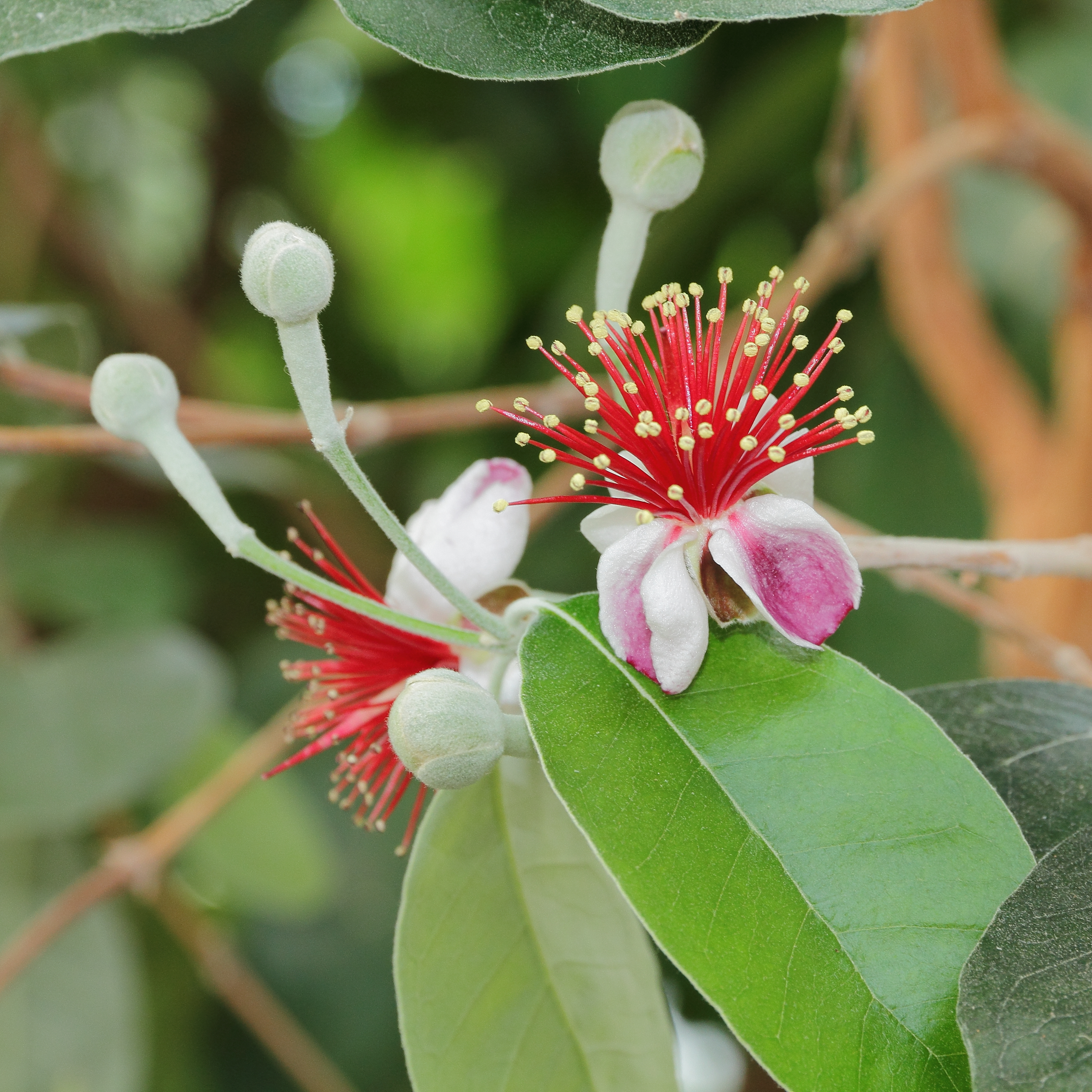
Acca sellowiana, a species of flowering plant in the myrtle family, Myrtaceae, is native to the highlands of southern Brazil, eastern Paraguay, Uruguay, northern Argentina, and Colombia. It is widely cultivated as a garden plant and fruiting tree in New Zealand, and can be found as a garden plant elsewhere such as in Australia, Azerbaijan, western Georgia and southern Russia. Common names include feijoa, pineapple guava and guavasteen. It is an evergreen, perennial shrub or small tree, 1?7 metres (3.3?23.0 ft) in height, widely cultivated as a garden plant and fruiting tree.
Agaricus bisporus—known variously when white as common mushroom, button mushroom, white mushroom, cultivated mushroom, table mushroom, champignon mushroom, crimini mushroom, when brown as Swiss brown mushroom, Roman brown mushroom, Italian brown, Italian mushroom, brown cap mushrooms, chestnut mushroom, and when mature as Portobello mushroom—is an edible basidiomycete mushroom native to grasslands in Europe and North America. Agaricus bisporus is cultivated in more than 70 countries and is one of the most commonly and widely consumed mushrooms in the world.
Wakame is a sea vegetable, or edible seaweed. It has a subtly sweet flavour and is most often served in soups and salads. Sea-farmers have grown wakame in Japan from the Nara period. It has been nominated as among 100 of the world's worst invasive species according to the Global Invasive Species Database.

Pleurotus is a genus of gilled mushrooms which includes one of the most widely eaten mushrooms, P. ostreatus. Species of Pleurotus may be called oyster, abalone, or tree mushrooms, and are some of the most commonly cultivated edible mushrooms in the world. Pleurotus fungi have been used in mycoremediation of pollutants such as petroleum and polycyclic aromatic hydrocarbons.
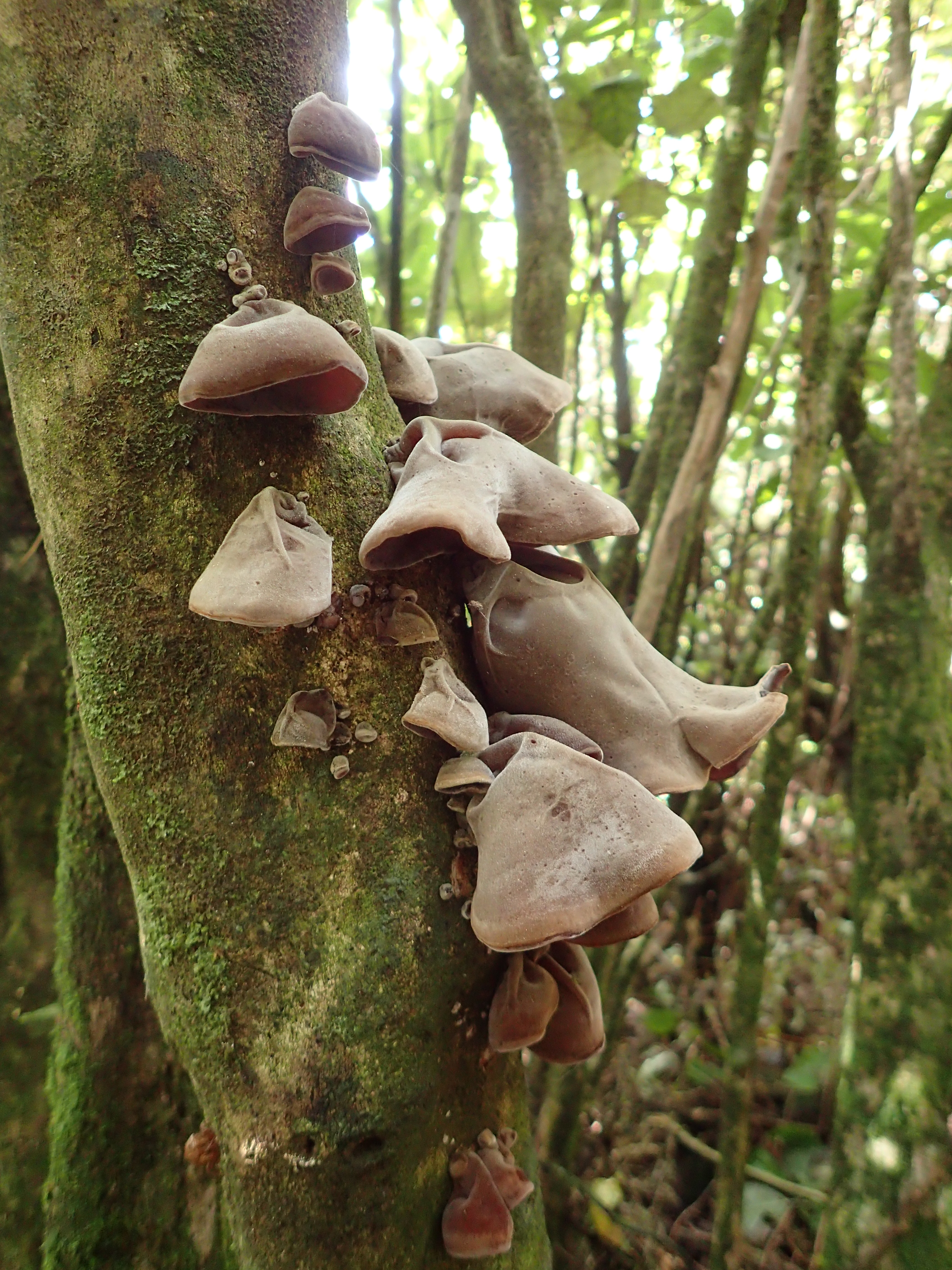
Cloud ear fungus (Auricularia polytricha, syn. Hirneola polytricha) is an edible jelly fungus. It is gray-brown in color and often used in Asian cooking.

Rumex arcticus, commonly known as Arctic Dock or Sourdock, is a perennial flowering plant that is native to Alaska. Its leaves are an important part of the diet of native Alaskans such as the Yupik people, who include it in various dishes such as akutaq.

The leek is a vegetable that belongs, along with onion and garlic, to the genus Allium, currently placed in family Amaryllidaceae, subfamily Allioideae. Historically many scientific names were used for leeks, which are now treated as cultivars of Allium ampeloprasum. Two related vegetables, elephant garlic and kurrat, are also cultivars of A. ampeloprasum, although different in their uses as food. The edible part of the leek plant is a bundle of leaf sheaths that is sometimes erroneously called a stem or stalk.

Diospyros kaki, better known as the Japanese Persimmon, Kaki Persimmon (kaki [?]) or Asian Persimmon in North America, is the most widely cultivated species of the Diospyros genus. Although its first published botanical description was not until 1780, the kaki is also among the oldest plants in cultivation, known for its use in China for more than 2000 years. In some rural Chinese communities, the kaki fruit is seen as having a great mystical power that can be harnessed to solve headaches, back pains and foot ache .
Eruca sativa (syn. E. vesicaria subsp. sativa (Miller) Thell., Brassica eruca L.) is an edible annual plant, commonly known as salad rocket, roquette, rucola, rugula, colewort, and, in the United States, arugula. It is sometimes conflated with Diplotaxis tenuifolia, the perennial wall rocket, another plant of the Brassicaceae family, which in the past was used in the same manner. Eruca sativa, which is widely popular as a salad vegetable, is a species of Eruca native to the Mediterranean region, from Morocco and Portugal in the west to Syria, Lebanon and Turkey in the east. The Latin adjective sativa in the plant's binomial is derived from satum, the supine of the verb sero, meaning "to sow", indicating that the seeds of the plant were sown in gardens. Eruca sativa differs from E. vesicaria in having early deciduous sepals. Some botanists consider it a subspecies of Eruca vesicaria: E. vesicaria subsp. sativa. Still others do not differentiate between the two.
Canola refers to a cultivar of either Rapeseed (Brassica napus L.) or field mustard (Brassica campestris L. or Brassica Rapa var.). Its seeds are used to produce edible oil suitable for consumption by humans and livestock. Originally, Canola was bred naturally from rapeseed in Canada by Keith Downey and Baldur R. Stefansson in the early 1970s, but it has a very different nutritional profile in addition to much less erucic acid. The name "canola" was derived from "Canadian oil, low acid" in 1978. [Wikipedia]
Babassu palm (Babaçu, Cusi) is a palm native to the Amazon Rainforest region. The Babassu palm is the predominant species in the Maranhão Babaçu forests of Maranhão and Piauí states. This plant has commercial value because its seeds produce an edible oil called babassu oil, which is also used in cleaners and skin care products. The fruit is used to produce products such as medicines, beauty aids, and beverages. Traditional communities of the Maranhão region also produce a flour from the fruit and this is commercialized as a nutritional supplement. The leaves are also used to provide thatch for houses and can be woven into mats for constructing house walls. The stems are used for timbers. [Wikipedia]

Naranjilla in Ecuador or lulo in Colombia, is a subtropical perennial plant from northwestern South America. The fruit has a citrus flavour, sometimes described as a combination of rhubarb and lime. The juice of the naranjilla is green and is often used as a drink. [Wikipedia]
The soybean (US) or soya bean (UK) (Glycine max) is a species of legume native to East Asia, widely grown for its edible bean which has numerous uses. The plant is classed as an oilseed rather than a pulse by the UN Food and Agricultural Organization (FAO). Fat-free (defatted) soybean meal is a significant and cheap source of protein for animal feeds and many prepackaged meals; soy vegetable oil is another product of processing the soybean crop. For example, soybean products such as textured vegetable protein (TVP) are ingredients in many meat and dairy analogues. Soybeans produce significantly more protein per acre than most other uses of land. Traditional nonfermented food uses of soybeans include soy milk, and from the latter tofu and tofu skin. Fermented foods include soy sauce, fermented bean paste, natto, and tempeh, among others. The oil is used in many industrial applications. The main producers of soy are the United States (35%), Brazil (27%), Argentina (19%), China (6%) and India (4%). The beans contain significant amounts of phytic acid, alpha-linolenic acid, and isoflavones.
Cabbage (Brassica oleracea or variants) is a leafy green biennial, grown as an annual vegetable for its dense-leaved heads. Closely related to other cole crops, such as broccoli, cauliflower and brussels sprouts, it descends from B. oleracea var. oleracea, a wild field cabbage. Cabbage heads generally range from 1 to 8 pounds (to kg), and can be green, purple and white. Smooth-leafed firm-headed green cabbages are the most common, with smooth-leafed red and crinkle-leafed savoy cabbages of both colors seen more rarely. It is difficult to trace the exact history of cabbage, but it was most likely domesticated somewhere in Europe before 1000 BC. By the Middle Ages it was a prominent part of European cuisine, although savoys were not developed until the 16th century. Cabbage heads are generally picked during the first year of the plants' life cycles, but those intended for seed are allowed to grow a second year, and must be kept separated from other cole crops to prevent cross pollination. Cabbage is prone to several nutrient deficiencies, as well as multiple pests, bacteria and fungal diseases. The Food and Agriculture Organization of the United Nations (FAO) reports that world production of cabbage and other brassicas (these plants are combined by the FAO for reporting purposes) for calendar year 2010 was almost 58,000,000 metric tons . Almost half were grown in China. Cabbages are prepared in many different ways for eating, although pickling, in dishes such as sauerkraut, is the most popular. Cabbage is a good source of beta-carotene, vitamin C and fiber. Cabbage when contaminated is sometimes a source of food-borne illness in humans.

A pulse (Latin "puls", from Ancient Greek πόλτος póltos, “porridge”), sometimes called a "grain legume", is an annual leguminous crop yielding from one to twelve seeds of variable size, shape, and color within a pod. Pulses are used for food for humans and other animals. Included in the pulses are: dry beans like pinto beans, kidney beans and navy beans; dry peas; lentils; and others.
Leaf vegetables, also called potherbs, greens, vegetable greens, leafy greens or salad greens, are plant leaves eaten as a vegetable, sometimes accompanied by tender petioles and shoots. Although they come from a very wide variety of plants, most share a great deal with other leaf vegetables in nutrition and cooking methods.

Zucchini or courgette is a summer squash which can reach nearly a meter in length, but which is usually harvested at half that size or less. Along with certain other squashes and pumpkins, it belongs to the species <i>Cucurbita pepo</i>. Zucchini can be dark or light green. A related hybrid, the golden zucchini, is a deep yellow or orange color. In a culinary context, zucchini is treated as a vegetable; it is usually cooked and presented as a savory dish or accompaniment. Botanically, however, zucchini is a fruit, being the swollen ovary of the zucchini flower. Zucchini, like all squash, has its ancestry in the Americas. However, the varieties of squash typically called "zucchini" were developed in Italy, many generations after their introduction from the Americas. (Wikipedia)

Green bell peppers are members of the domesticated plant species <i>Capsicum annuum</i>. Green, yellow, orange and red bell peppers all belong to the same species, with the differences arising from the time at which they are harvested. Green bell peppers are bell peppers that have been harvested early. Yellow and orange bell peppers have been allowed more time to ripen, and red bell peppers are the most mature. <i>Capsicum annuum</i> is a domesticated species of the plant genus <i>Capsicum</i> native to southern North America and northern South America. The three species <i>C. annuum</i>, <i>C. frutescens</i> and <i>C. chinense</i> all evolved from a single common ancestor located somewhere in the northwest Brazil - Colombia area. <i>Capsicum annuum</i> is the most common and extensively cultivated of the five domesticated capsicums. The species is a source of popular "sweet peppers":http://en.wikipedia.org/wiki/Bell_peppers and "hot chilis":http://en.wikipedia.org/wiki/Chili_pepper with numerous varieties cultivated all around the world. In American English the plant is commonly known as a chili pepper or bell pepper. In British English, the sweet varieties are called red or green peppers and the hot varieties chillies, whereas in Australian and Indian English the name capsicum is commonly used for bell peppers exclusively and chilli is often used to encompass the hotter varieties. [Wikipedia] See a "list of capsicum cultivars":http://en.wikipedia.org/wiki/List_of_Capsicum_cultivars.

The Nanking cherry (<i>Prunus tomentosa</i>) is a species of Prunus native to northern and western China (including Tibet), Korea, Mongolia, and possibly northern India (Jammu and Kashmir, though probably only cultivated there). Other common names for <i>P. tomentosa</i> include Korean cherry, Manchu cherry, downy cherry, Shanghai cherry, Ando cherry, mountain cherry, Chinese bush cherry, Chinese dwarf cherry, or Hansen's bush cherry. (Wikipedia)
The lentil (Lens culinaris) is an edible pulse. It is a bushy annual plant of the legume family, grown for its lens-shaped seeds. It is about 40 cm (16 in) tall and the seeds grow in pods, usually with two seeds in each.
Source
Compound data linked to PubChem CID 176907, public domain via NCBI. Culinary context + ingredient mappings are maintained by Foodgeist's enrichment fleet and continuously re-matched by the pairings engine. PubChem CID 176907