PubChem CID · CC0
piperitone
Foods containing this compound

Angelica is a genus of about 60 species of tall biennial and perennial herbs in the family Apiaceae, native to temperate and subarctic regions of the Northern Hemisphere, reaching as far north as Iceland and Lapland. They grow to 1–3 m tall, with large bipinnate leaves and large compound umbels of white or greenish-white flowers. Some species can be found in purple moor and rush pastures.
Mentha arvensis (Field Mint, Wild Mint or Corn Mint) is a species of mint with a circumboreal distribution. It is native to the temperate regions of Europe and western and central Asia, east to the Himalaya and eastern Siberia, and North America. It is a herbaceous perennial plant growing to 10–60 cm (rarely to 100 cm) tall. The leaves are in opposite pairs, simple, 2–6.5 cm long and 1–2 cm broad, hairy, and with a coarsely serrated margin. The flowers are pale purple (occasionally white or pink), in clusters on the stem, each flower 3–4 mm long. Uses & Benefits of Podina: 50x40pxThis article does not cite any references or sources. Please help improve this article by adding citations to reliable sources. Unsourced material may be challenged and removed. Podina is used as a carminative and an expectorant. The plant is highly effective in treating headaches, rhinitis, cough sore throat, colic, prurigo and vomiting. It serves as a good blood cleanser, since it is antiseptic and anti-bacterial. Podina plays a significant role in alleviating swollen gums, mouth ulcers and toothaches. Crushed and bruised pudina leaves are used in treating insect bites. The decoction and infusion of its leaves and stems helps in fever, stomachaches, dysmenorrheal and diuresis. Fresh leaves of podina are crushed and sniffed for dizziness. Crushed leaves are also applied on the forehead and temple, to cure headaches. For toothaches, boil 6 tablespoons of pudina leaves in 2 glasses of water, for 15 minutes. Strain and cool the water. Divide it into two parts and take each part after 3 to 4 hours. Boil 6 tablespoons of chopped leaves in 2 glasses of water, for 15 minutes. Cool and strain. Divide the decoction into 3 parts and consume three times a day. This will help in treating coughs. For treating arthritis, take some fresh leaves and heat on low flame. Pound them and apply on the painful joints or muscles, when still warm. Soak 2 tablespoons of chopped leaves in a glass of hot water for 30 minutes and strain. Use the infusion as a mouthwash. The menthol extracted from the plant is used in preparing balms. It is used as a flavoring agent in many culinary preparations There are six subspecies: Mentha arvensis subsp. arvensis. Mentha arvensis subsp. agrestis Briq. Mentha arvensis subsp. austriaca (Jacq. ) Briq. Mentha arvensis subsp. lapponica (Wahlenb. ) Neuman Mentha arvensis subsp. palustris (Moench) Neumann Mentha arvensis subsp. parietariifolia (Becker) Briq. The related species Mentha canadensis is also included in M. arvensis by some authors as two varieties, M. arvensis var. glabrata Fernald (in reference to North American plants) and M. arvensis var. piperascens Malinv. ex L. H. Bailey (in reference to eastern Asian plants).

Spearmint or spear mint (Mentha spicata) is a species of mint native to much of Europe and southwest Asia, though its exact natural range is uncertain due to extensive early cultivation.

Peppermint (Mentha × piperita, also known as M. balsamea Willd.) is a hybrid mint, a cross between watermint and spearmint. The plant, indigenous to Europe, is now widespread in cultivation throughout all regions of the world. It is found wild occasionally with its parent species. Fresh or dried peppermint leaves are often used alone or with other herbs in herbal teas (tisanes, infusions). Peppermint is used for flavouring ice cream, confectionery, chewing gum, and toothpaste, and can also be found in some shampoos, soaps and skin care products. Menthol activates cold-sensitive TRPM8 receptors in the skin and mucosal tissues, and is the primary source of the cooling sensation that follows the topical application of peppermint oil. Peppermint has a high menthol content. The oil also contains menthone and carboxyl esters, particularly menthyl acetate. Dried peppermint typically has 0.3–0.4% of volatile oil containing menthol (7–48%), menthone (20–46%), menthyl acetate (3–10%), menthofuran (1–17%) and 1,8-cineol (3–6%). Peppermint oil also contains small amounts of many additional compounds including limonene, pulegone, caryophyllene and pinene. Peppermint also contains terpenoids and flavonoids [Wikipedia]

Rubus laciniatus, commonly called evergreen blackberry or cutleaf blackberry, is a species of blackberry that is native to Eurasia. It has been introduced to Australia and North America, and become a weed and highly invasive species in forested habitats in the United States and Canada, it is very difficult to control. Evergreen blackberry is a deciduous shrub that grows up to 3 meters tall with prickly shoots. The flowers are in clusters, the petals are pink or white. The fruits are shiny and black, similar to the common blackberry, with a unique and fruitier taste. The fruits are not true berries in the botanical sense. [Wikipedia]

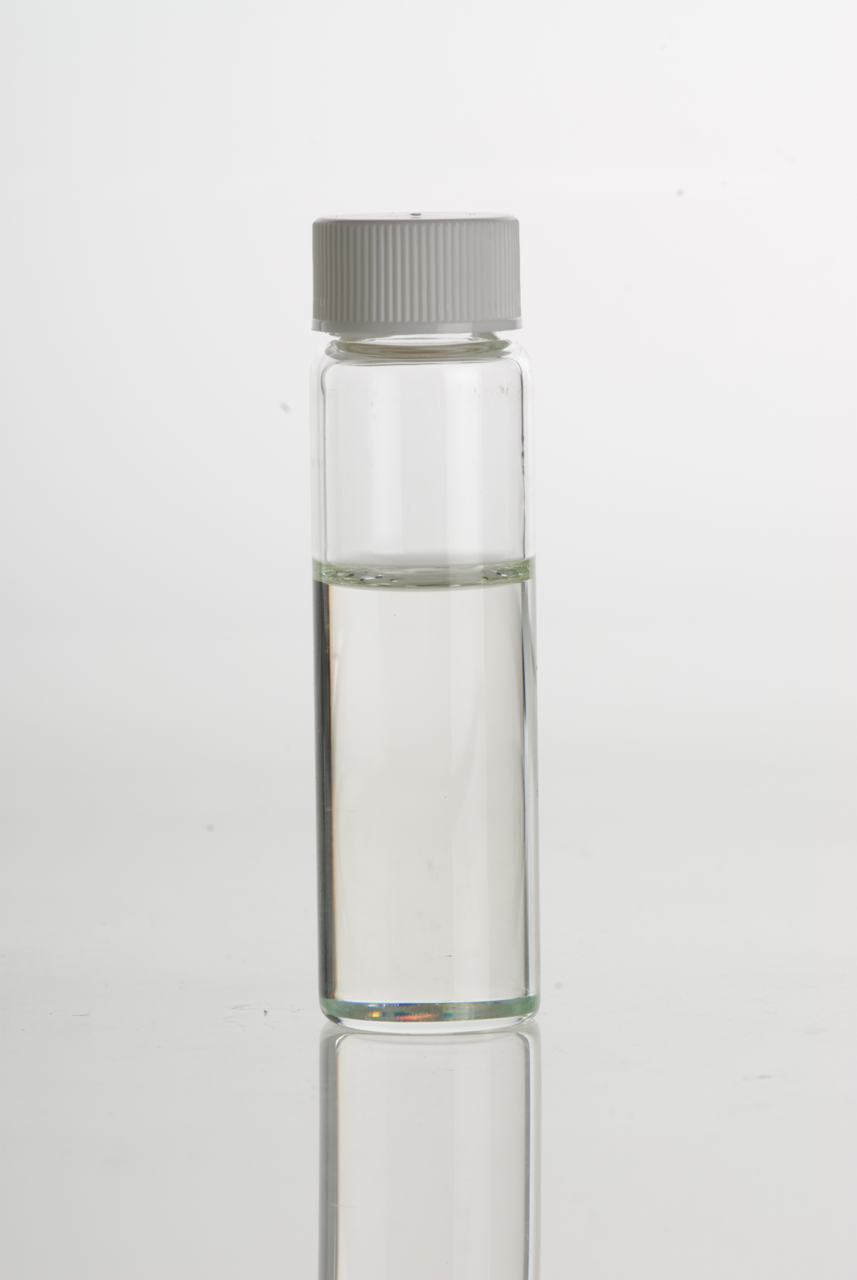
Rapeseed oil is produced from the bright yellow rape plant. The oil can then used drizzled as salad dressing, or heated to fry or bake.It's low in saturated fat and contains omegas 3, 6 and 9


leaf, stem, and flowering top of Nepeta cataria

herb from Mentha spicata

spice

flavour used mainly in chewing gums and tooth paste that is either naturally or artificially created to taste like oil of spearmint (herb)

Hybrid flowering plant in the family Lamiaceae

Genus of flowering plants

Plant species in the mint family

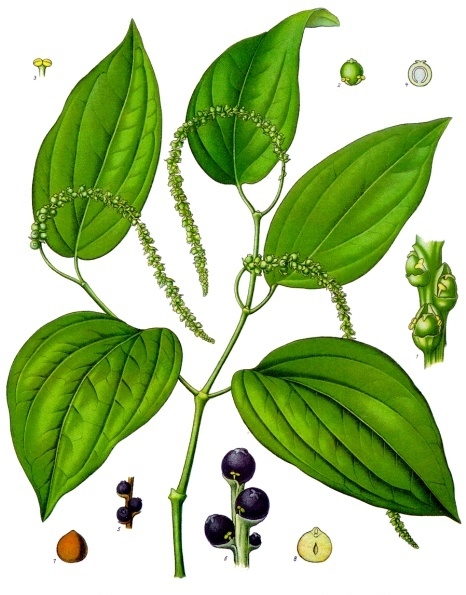
Ground fruit of the family Piperaceae

Species of edible plant
Source
Compound data linked to PubChem CID 6987, public domain via NCBI. Culinary context + ingredient mappings are maintained by Foodgeist's enrichment fleet and continuously re-matched by the pairings engine. PubChem CID 6987