PubChem CID · CC0
1-piperideine-6-carboxylic acid
Odor profile
Multi-model odor estimate · confidence shown
Bioactivity signal
Structure-activity model estimate · not measured
Foods containing this compound

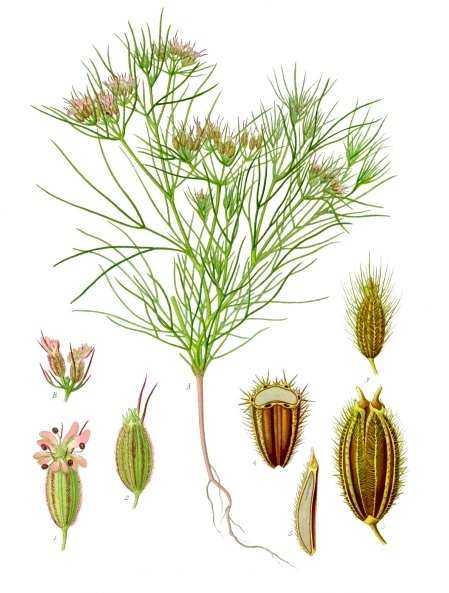
Flax (also known as common flax or linseed) is a member of the genus Linum in the family Linaceae. It is a food and fibre crop that is grown in cooler regions of the world. Flax fibres are taken from the stem of the plant and are two to three times as strong as those of cotton. As well, flax fibres are naturally smooth and straight. Europe and North America depended on flax for cloth until the nineteenth century, when cotton overtook flax as the most common plant used for making linen paper. Flax is grown on the Canadian Praires for linseed oil, which is used as a drying oil in paints and varnish and in products such as linoleum and printing inks. It is native to the region extending from the eastern Mediterranean to India and was probably first domesticated in the Fertile Crescent. Flax was extensively cultivated in ancient Ethiopia and ancient Egypt. A discovery reported in 2009 of spun, dyed, and knotted wild flax fibers in a prehistoric cave in the Republic of Georgia shows that the plant was already in use by humans at the surprisingly early date of 30,000 B.C. New Zealand flax is not related to flax but was named after it, as both plants are used to produce fibers.
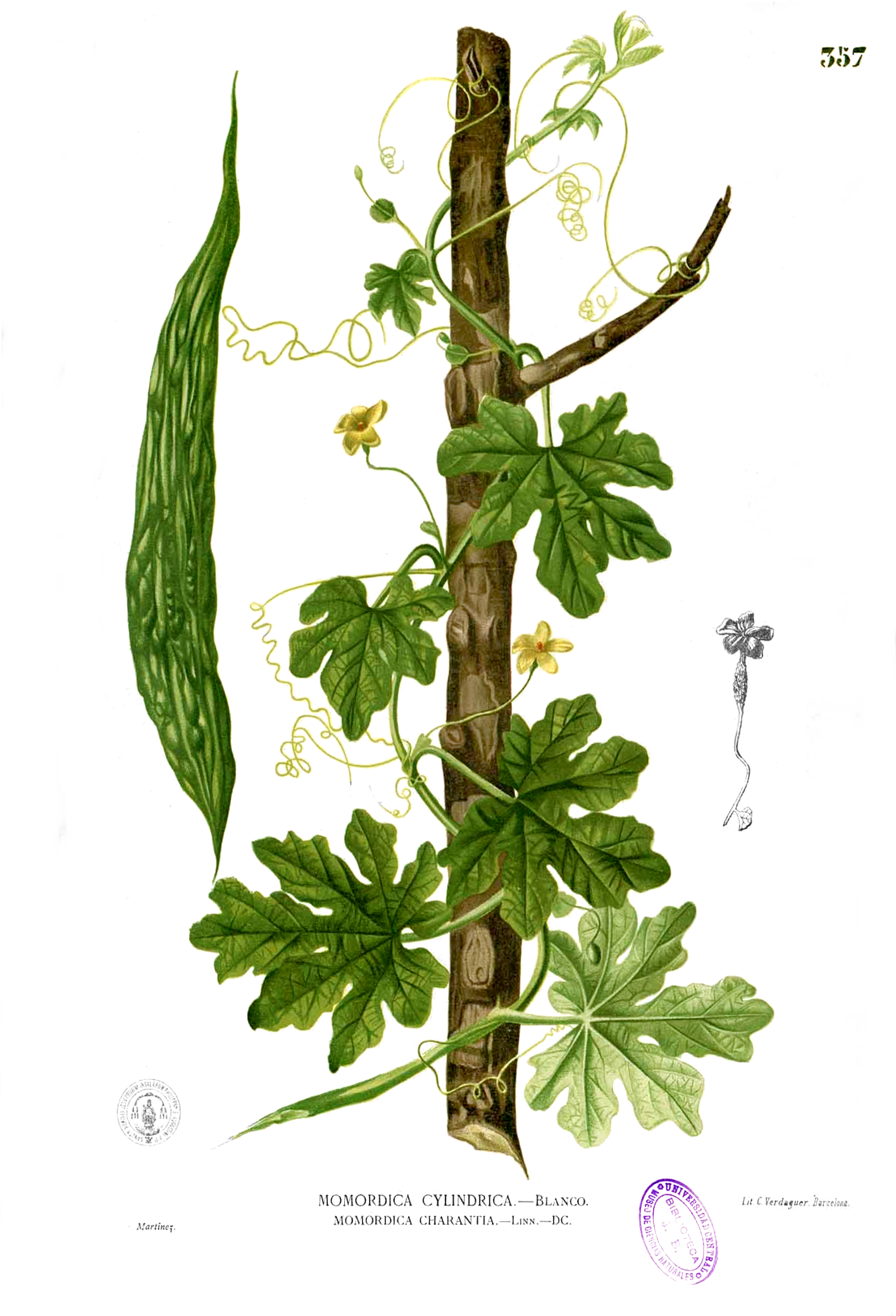
Momordica charantia often called bitter melon, bitter gourd or bitter squash in English, has many other local names. Goya from the indigenous language of Okinawa where there is a large US military presence and karavella from Sanskrit are also used by English-language speakers. It is a tropical and subtropical vine of the family Cucurbitaceae, widely grown in Asia, Africa, and the Caribbean for its edible fruit, which is among the most bitter of all fruits. Its many varieties differ substantially in the shape and bitterness of the fruit. This is a plant of the tropics. Bitter melon originated in India, and it was carried to China in the 14th century.
Source
Compound data linked to PubChem CID 165067, public domain via NCBI. Culinary context + ingredient mappings are maintained by Foodgeist's enrichment fleet and continuously re-matched by the pairings engine. PubChem CID 165067