PubChem CID · CC0
β-D-galacturonic acid
Odor profile
Multi-model odor estimate · confidence shown
Foods containing this compound
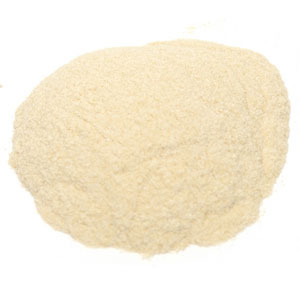
Pectin is a structural heteropolysaccharide contained in the primary cell walls of terrestrial plants. It is produced commercially as a white to light brown powder, mainly extracted from citrus fruits, and is used in food as a gelling agent particularly in jams and jellies. It is also used in fillings, medicines, sweets, as a stabilizer in fruit juices and milk drinks and as a source of dietary fiber. [Wikipedia]

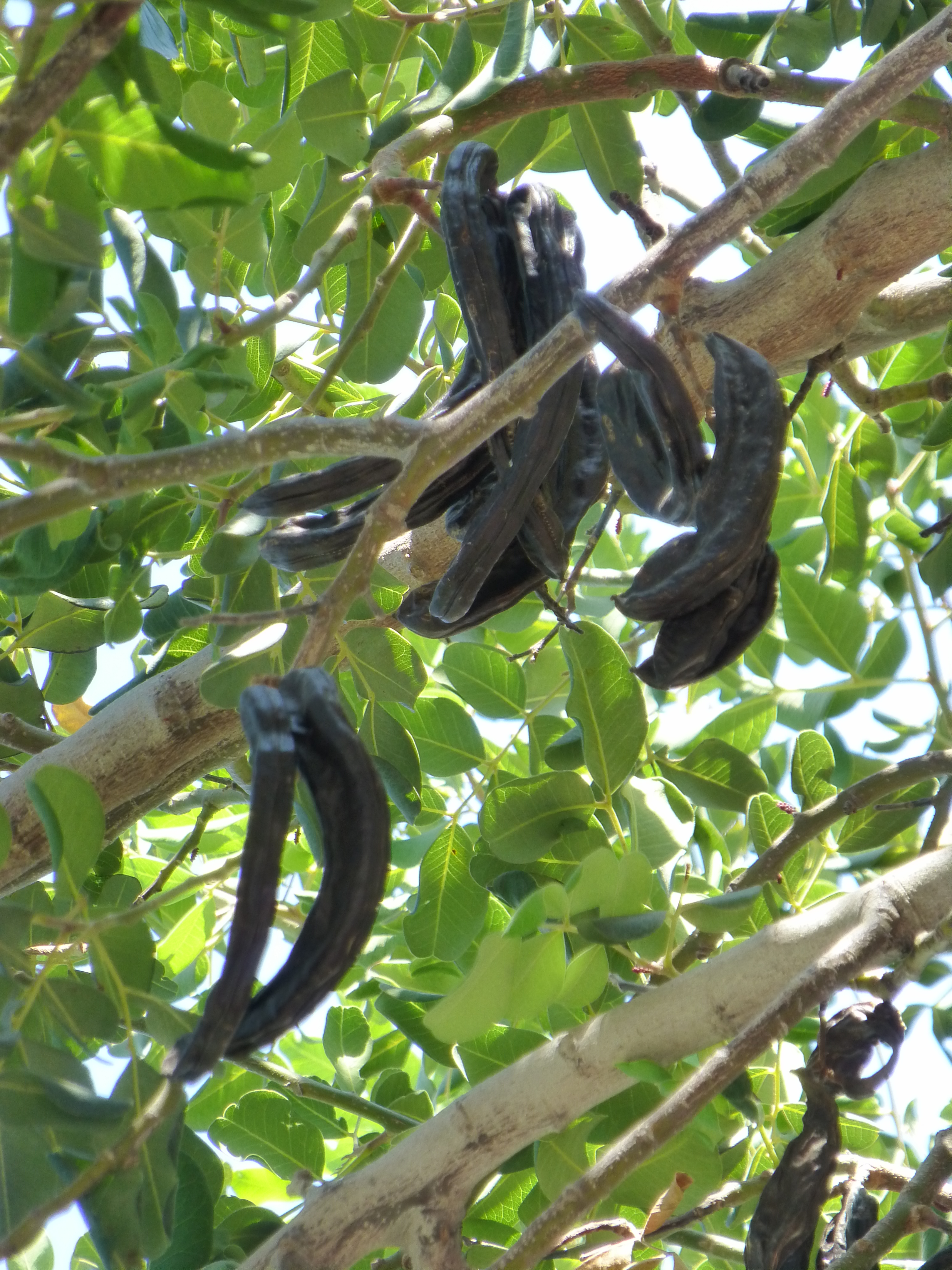
Ceratonia siliqua, commonly known as the carob tree and St John's-bread, is a species of flowering evergreen shrub or tree in the pea family, Fabaceae. It is widely cultivated for its edible pods, and as an ornamental tree in gardens. The ripe, dried pod is often ground to carob powder which is used as a substitute for cocoa powder.

Castanea sativa is a species of deciduous tree with an edible seed. It is commonly called sweet chestnut and marron. Originally native to southeastern Europe and Asia Minor, it is now widely dispersed throughout Europe and in some localities in temperate Asia. The tree is hardy, long-lived and well known for its chestnuts, which are used as an ingredient in cooking.
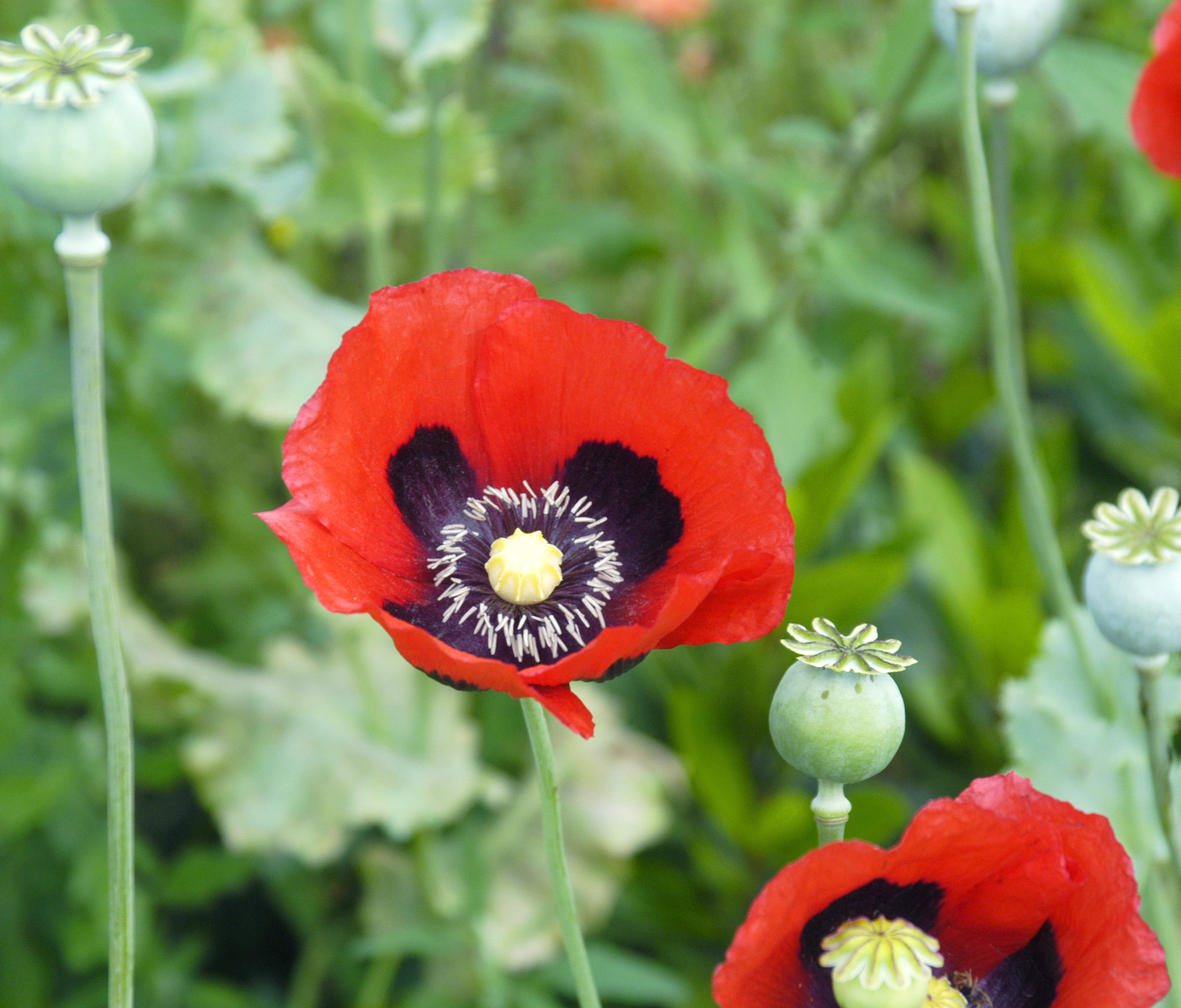
Papaver somniferum, the Opium poppy, is the species of plant from which opium and poppy seeds are derived. Opium is the source of many narcotics, including morphine (and its derivative heroin), thebaine, codeine, papaverine, and noscapine. The Latin botanical name means the "sleep-bringing poppy", referring to the sedative properties of some of these opiates.
The roselle (Hibiscus sabdariffa) is a species of Hibiscus native to the west Africa, used for the production of bast fibre and as an infusion. It is an annual or perennial herb or woody-based subshrub, growing to 2?2.5 m (7?8 ft) tall. The leaves are deeply three- to five-lobed, 8?15 cm (3?6 in) long, arranged alternately on the stems.
Watermelon (Citrullus lanatus, family Cucurbitaceae) is a vine-like (scrambler and trailer) flowering plant originally from southern Africa. Its fruit, which is also called watermelon, is a special kind referred to by botanists as a pepo, a berry which has a thick rind and fleshy center (mesocarp and endocarp). Pepos are derived from an inferior ovary, and are characteristic of the Cucurbitaceae. The watermelon fruit, loosely considered a type of melon – although not in the genus Cucumis – has a smooth exterior rind (green, yellow and sometimes white) and a juicy, sweet interior flesh (usually deep red to pink, but sometimes orange, yellow and even green if not ripe).
Sunflower (Helianthus annuus) is an annual plant native to the Americas. It possesses a large inflorescence (flowering head), and its name is derived from the flower's shape and image, which is often used to depict the sun. The plant has a rough, hairy stem, broad, coarsely toothed, rough leaves and circular heads of flowers. The heads consist of many individual flowers which mature into seeds, often in the hundreds, on a receptacle base. From the Americas, sunflower seeds were brought to Europe in the 16th century, where, along with sunflower oil, they became a widespread cooking ingredient. Leaves of the sunflower can be used as cattle feed, while the stems contain a fibre which may be used in paper production.

Ipomoea aquatica is a semiaquatic, tropical plant grown as a vegetable for its tender shoots and leaves. It is found throughout the tropical and subtropical regions of the world, although it is not known where it originated. This plant is known in English as water spinach, river spinach, water morning glory, water convolvulus, or by the more ambiguous names Chinese spinach, Chinese convolvulus, swamp cabbage or kangkong in Southeast Asia. Occasionally, it has also been mistakenly called "kale" in English, although kale is a strain of mustard belonging to the species Brassica oleracea and is completely unrelated to water spinach, which is a species of morning glory. It is known as phak bung in Thai, rau mu?ng in Vietnamese, trokuon in Khmer, kalmi shak in Bengali, kangkung in Malay and Indonesian and hayoyo in Ghana.
The sweet potato (<i>Ipomoea batatas</i>) is a dicotyledonous plant that belongs to the family Convolvulaceae. Its large, starchy, sweet-tasting, tuberous roots are a root vegetable. The young leaves and shoots are sometimes eaten as greens. The sweet potato is only distantly related to the potato (<i>Solanum tuberosum</i>) and does not belong to the nightshade family, Solanaceae, but both families belong to the same taxonomic order, the Solanales. (Wikipedia)
White mulberry trees that produce pure white fruit are rare. Typically, the fruits are white when immature, but gradually ripen to shades of pink or purple. They are a small variety, just a few centimeters long, and far sweeter than the black and red mulberries. They have a low acidity and a mild honey-like flavor. White mulberries are best when slightly overripe


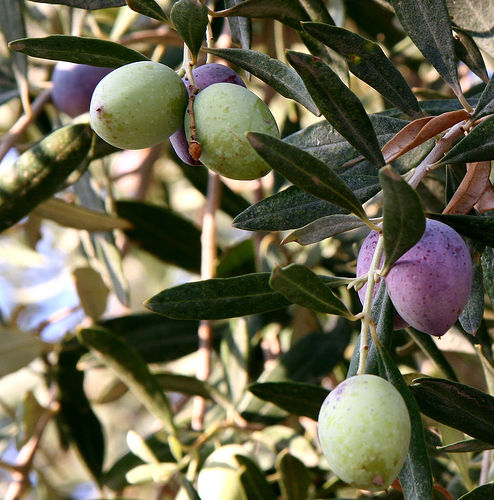


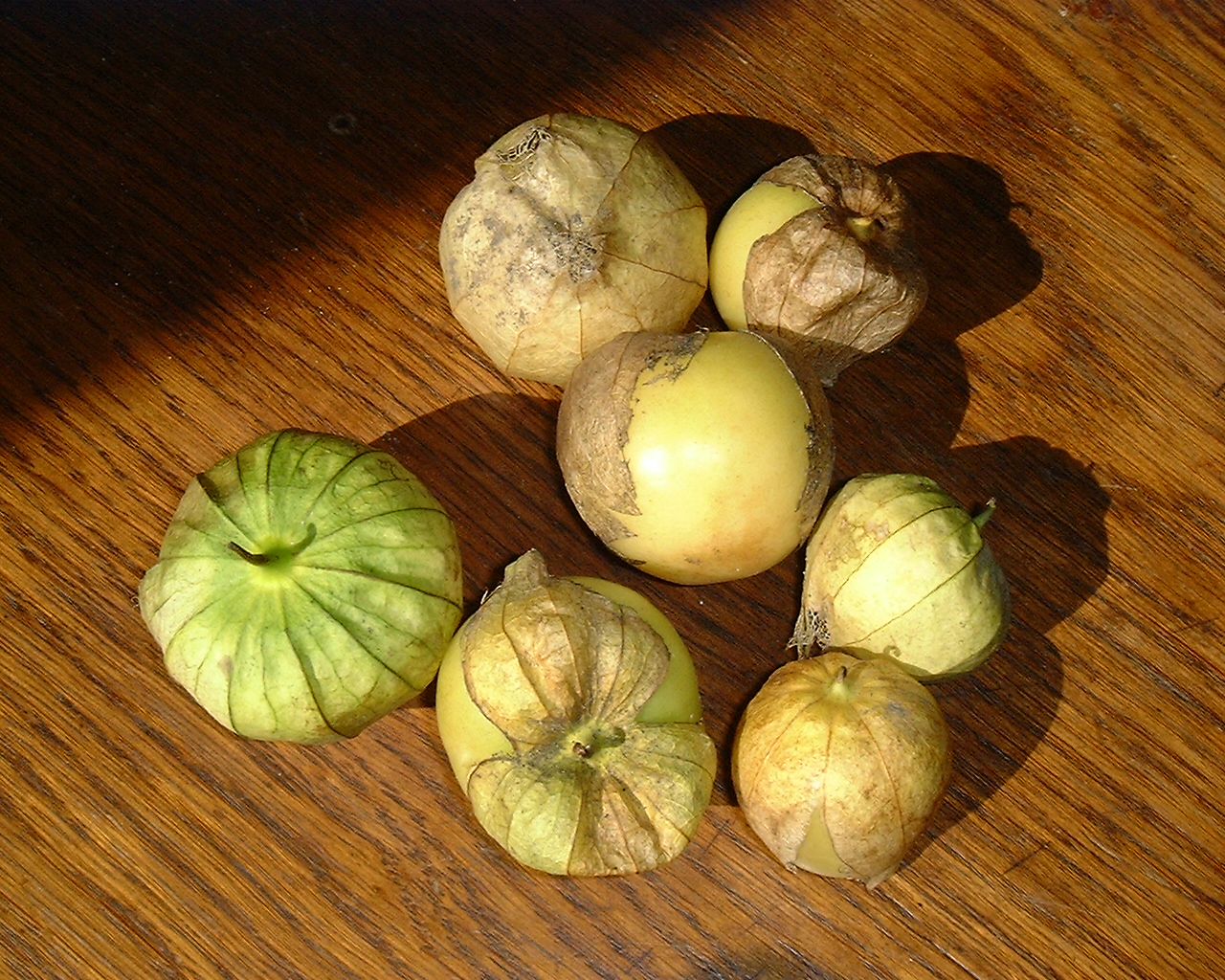


cocktail

Northern European confectionery

female flowers of Humulus lupulus
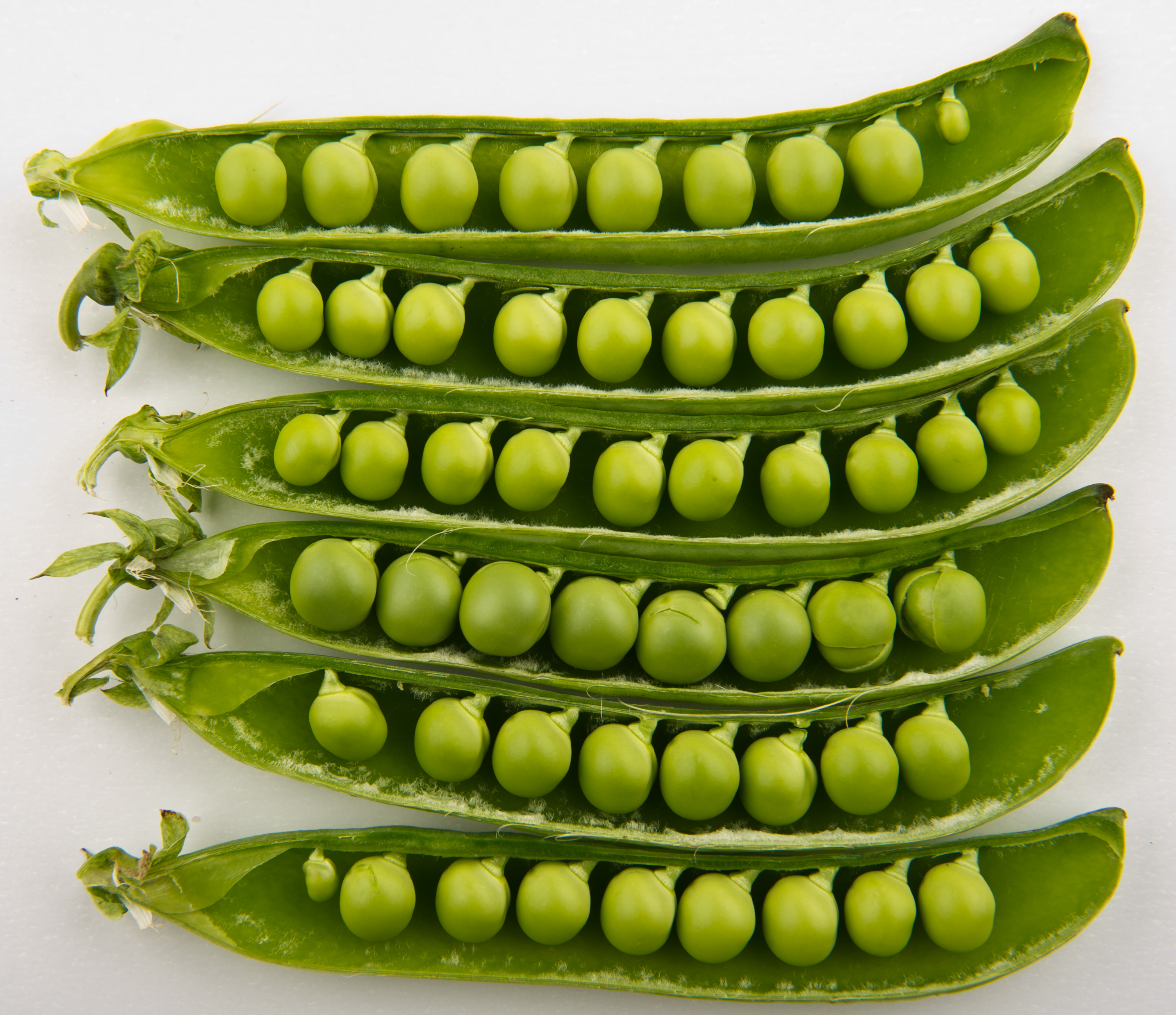
seed of serval legumes

a marshmallow that is roasted

Northern European confectionery
syrup made with Hyssopus officinalis and Marrubium vulgare, used to relieve illness of the lungs

fruit

fruit of Sorbus aucuparia

Species of flowering plant

Hybrid flowering plant in the family Lamiaceae

Flowering plant species in the carrot family

Species of edible plant

Flowering plant in the daisy family

Plant species in pea family
Source
Compound data linked to PubChem CID 441476, public domain via NCBI. Culinary context + ingredient mappings are maintained by Foodgeist's enrichment fleet and continuously re-matched by the pairings engine. PubChem CID 441476