PubChem CID · CC0
<i>trans</i>-piceid
Foods containing this compound


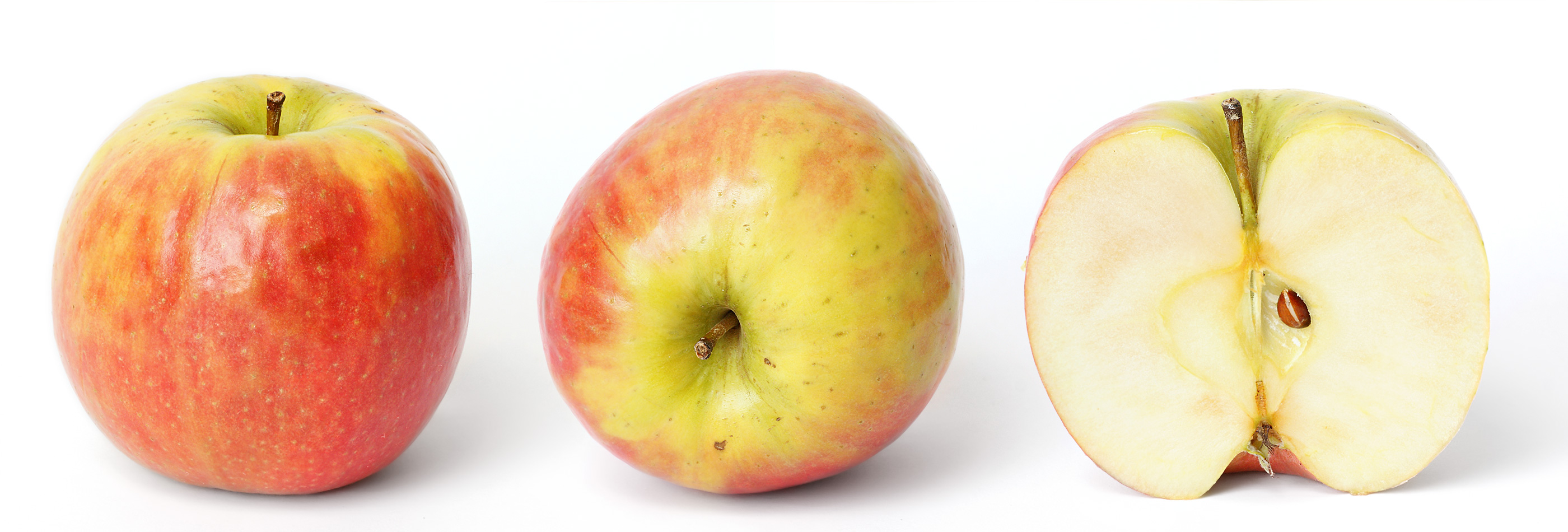
The apple is the pomaceous fruit of the apple tree, species Malus domestica in the rose family. It is one of the most widely cultivated tree fruits, and the most widely known of the many members of genus Malus that are used by humans. Apples grow on small, deciduous trees. The tree originated in Central Asia, where its wild ancestor, Malus sieversii, is still found today. Apples have been grown for thousands of years in Asia and Europe, and were brought to North America by European colonists. Apples have been present in the mythology and religions of many cultures, including Norse, Greek and Christian traditions. In 2010, the fruit's genome was decoded, leading to new understandings of disease control and selective breeding in apple production. There are more than 7,500 known cultivars of apples, resulting in a range of desired characteristics. Different cultivars are bred for various tastes and uses, including in cooking, fresh eating and cider production. Domestic apples are generally propagated by grafting, although wild apples grow readily from seed. Trees are prone to a number of fungal, bacterial and pest problems, which can be controlled by a number of organic and non-organic means. About 69 million tonnes of apples were grown worldwide in 2010, and China produced almost half of this total. The United States is the second-leading producer, with more than 6% of world production. Turkey is third, followed by Italy, India and Poland. Apples are often eaten raw, but can also be found in many prepared foods (especially desserts) and drinks. Many beneficial health effects have been found from eating apples; however, two forms of allergies are seen to various proteins found in the fruit.

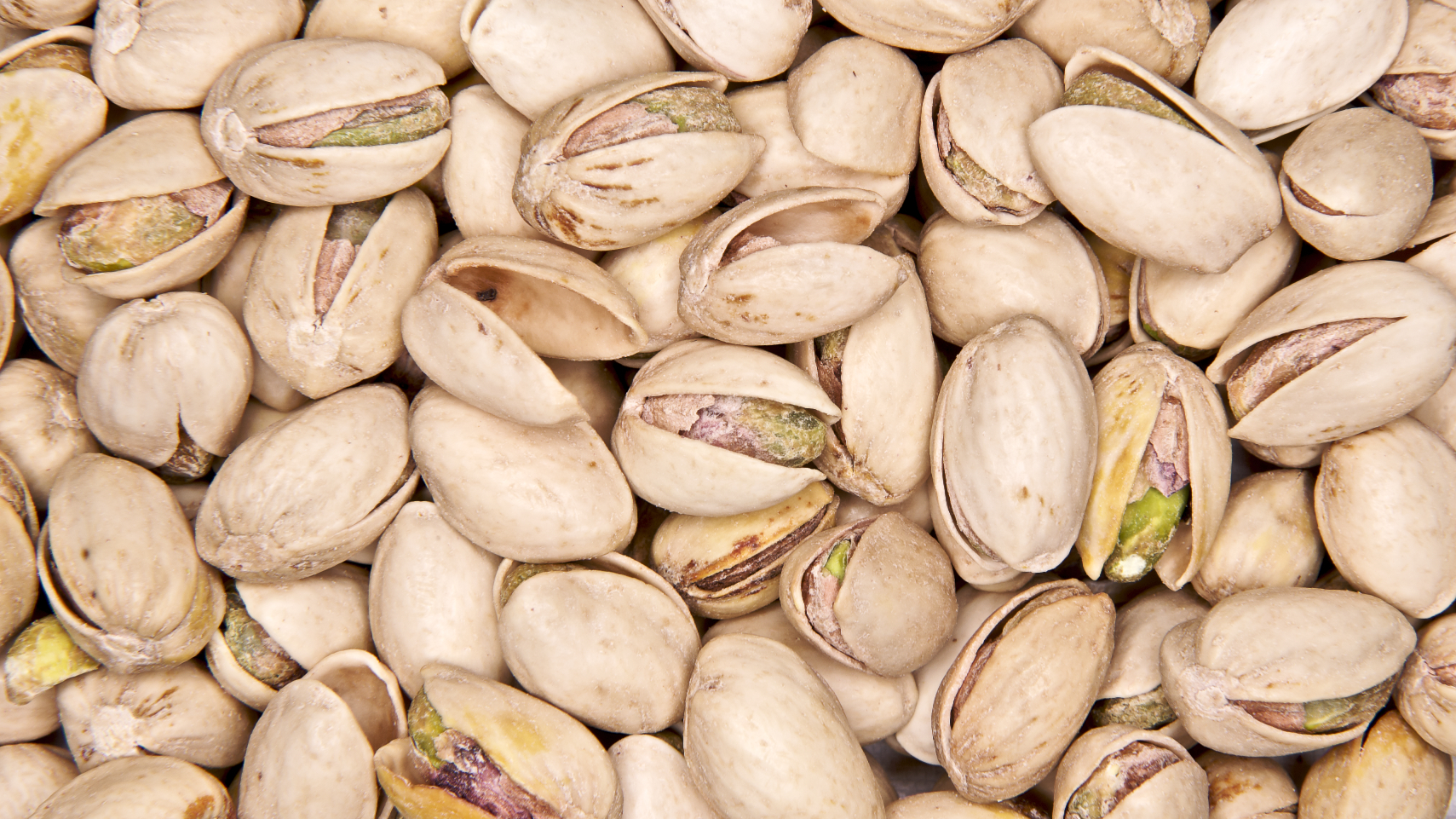
The pistachio, Pistacia vera in the Anacardiaceae family, is a small tree originally from Greater Iran which now can also be found in regions of Syria, Lebanon, Turkey, Greece, Tunisia, Kyrgyzstan, Tajikistan, Turkmenistan, India, Pakistan, Egypt, Italy, Uzbekistan, Afghanistan (especially in the provinces of Samangan and Badghis), and the United States, specifically in California. The tree produces an important culinary nut. Pistacia vera often is confused with other species in the genus Pistacia that are also known as pistachio. These species can be distinguished from P. vera by their geographic distributions (in the wild) and their nuts which are much smaller, have a strong flavor of turpentine, and have a shell that is not hard.
The almond (Prunus dulcis, syn. Prunus amygdalus, Amygdalus communis, Amygdalus dulcis) (or badam in Indian English, from Persian: بادام ) is a species of tree native to the Middle East and South Asia. "Almond" is also the name of the edible and widely cultivated seed of this tree. Within the genus Prunus, it is classified with the peach in the subgenus Amygdalus, distinguished from the other subgenera by the corrugated shell (endocarp) surrounding the seed.


The peanut, also known as the groundnut and the goober and taxonomically classified as <i>Arachis hypogaea</i>, is a legume crop grown mainly for its edible seeds. It is widely grown in the tropics and subtropics, being important to both small and large commercial producers. It is classified as both a grain legume and, because of its high oil content, an oil crop. World annual production of shelled peanuts was 42 million tonnes in 2014. Atypically among crop plants, peanut pods develop underground rather than aboveground. It is this characteristic that the botanist Linnaeus used to assign the specific name <i>hypogaea</i>, which means "under the earth." (Wikipedia)

The garden strawberry (or simply strawberry; Fragaria × ananassa) is a widely grown hybrid species of the genus Fragaria (collectively known as the strawberries). It is cultivated worldwide for its fruit. The fruit (which is not a botanical berry, but an aggregate accessory fruit) is widely appreciated for its characteristic aroma, bright red color, juicy texture, and sweetness. It is consumed in large quantities, either fresh or in such prepared foods as preserves, fruit juice, pies, ice creams, milkshakes, and chocolates. Artificial strawberry aroma is also widely used in many industrial food products. As strawberry flavor and fragrance are popular characteristics for consumers,they are used widely in a variety of manufacturing, including foods, beverages, confections, perfumes and cosmetics. Sweetness, fragrance and complex flavor are favorable attributes. In plant breeding and farming, emphasis is placed on sugars, acids, and volatile compounds, which improve the taste and fragrance of a ripe strawberry. Esters, terpenes, and furans are chemical compounds having the strongest relationships to strawberry flavor and fragrance, with a total of 31 volatile compounds significantly correlated to favorable flavor and fragrance [Wikipedia]

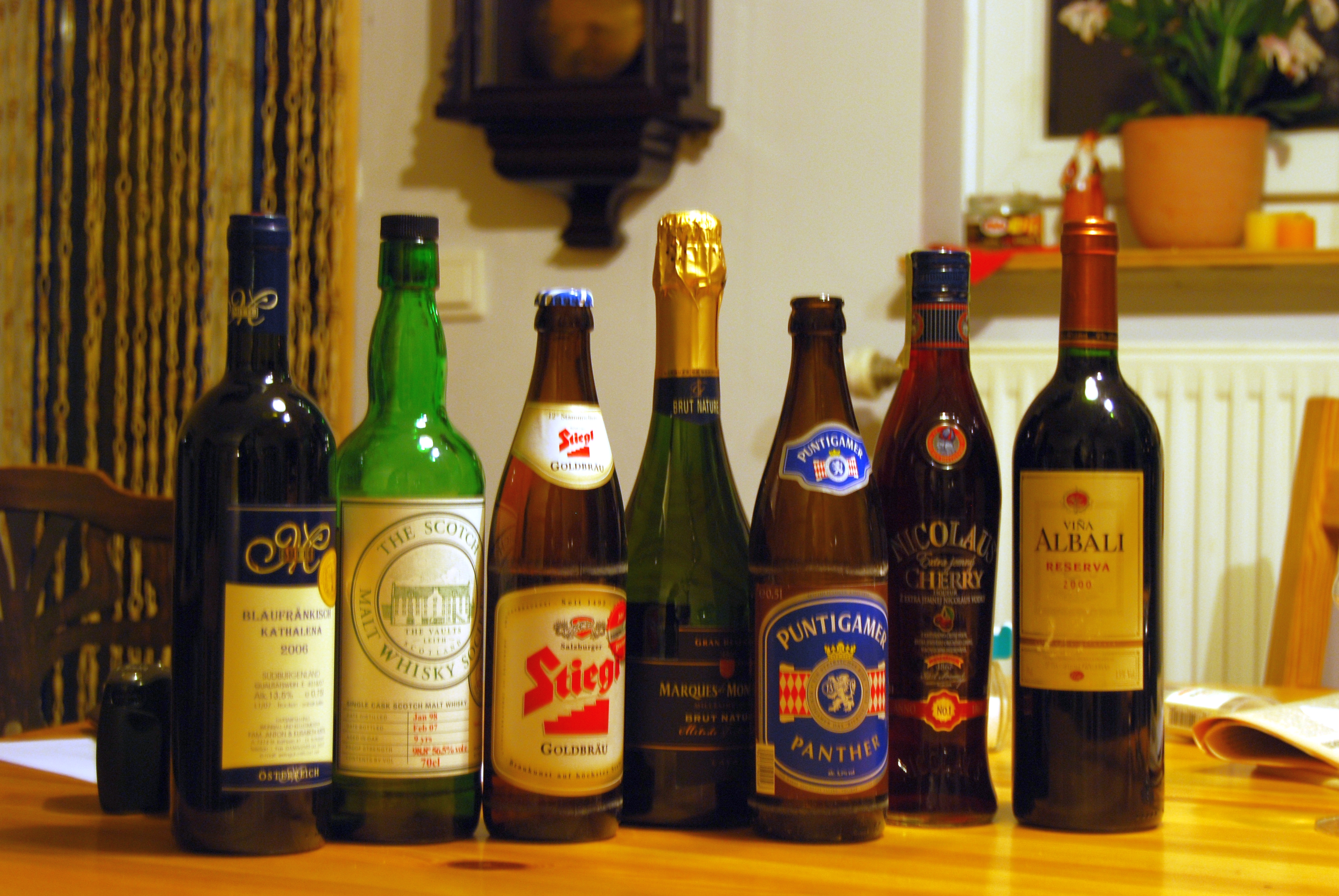
An alcoholic beverage is a drink that typically contains 3% ? 40% ethanol (commonly called alcohol). Alcoholic beverages are divided into three classes: beers, wines, and spirits (distilled beverages). They are legally consumed in most countries around the world. More than 100 countries have laws regulating their production, sale, and consumption.

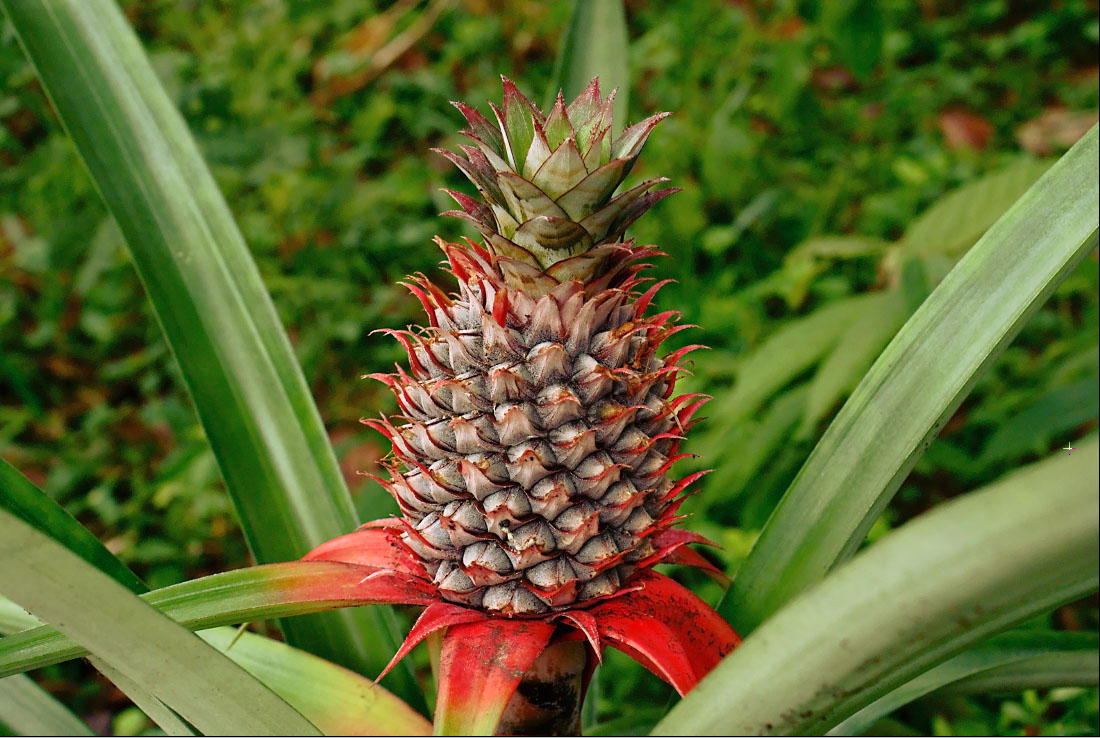
In botany, a fruit is a part of a flowering plant that derives from specific tissues of the flower, one or more ovaries, and in some cases accessory tissues. Fruits are the means by which these plants disseminate seeds. Many of them that bear edible fruits, in particular, have propagated with the movements of humans and animals in a symbiotic relationship as a means for seed dispersal and nutrition, respectively; in fact, humans and many animals have become dependent on fruits as a source of food. Fruits account for a substantial fraction of the world's agricultural output, and some (such as the apple and the pomegranate) have acquired extensive cultural and symbolic meanings.
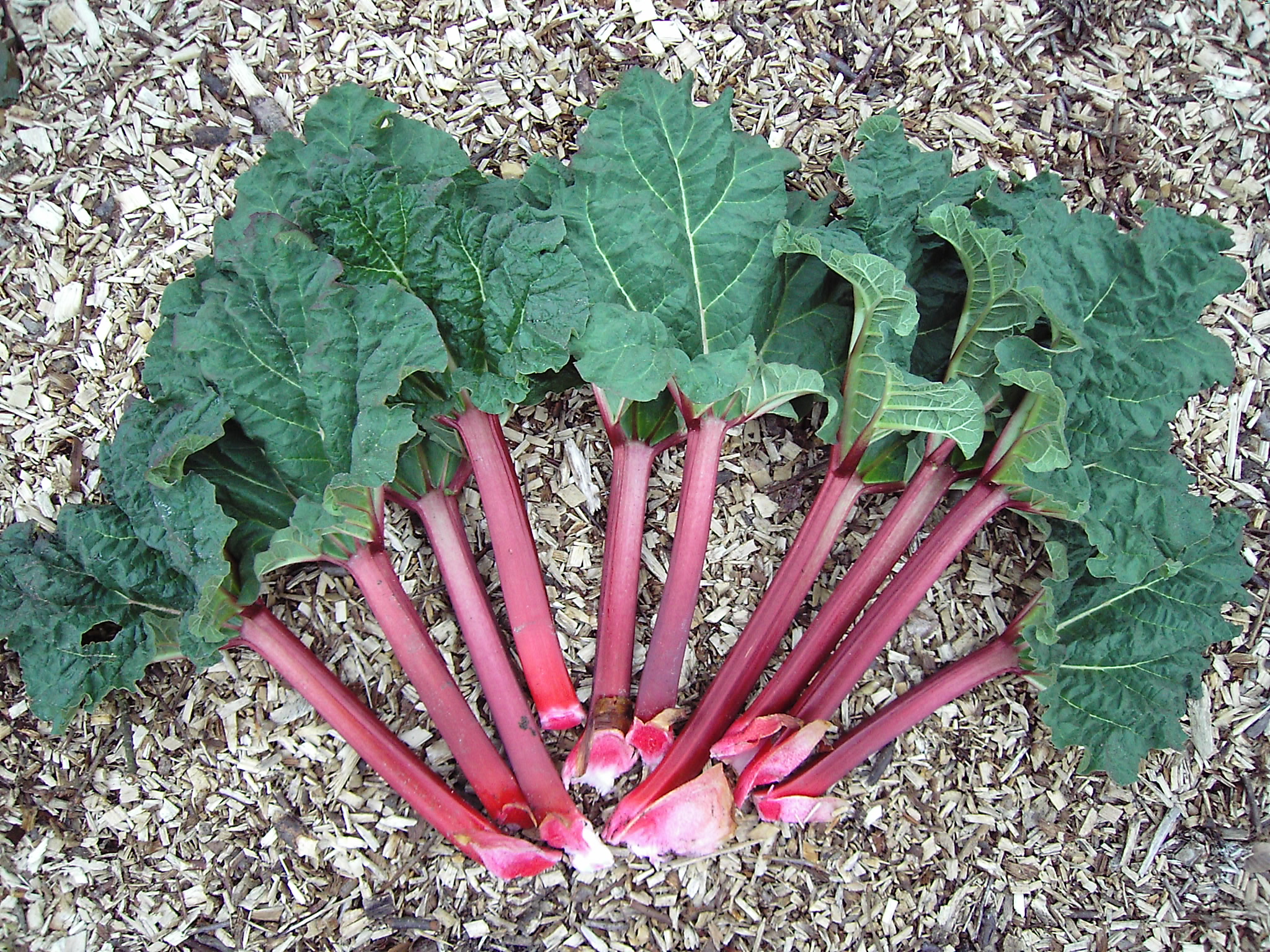
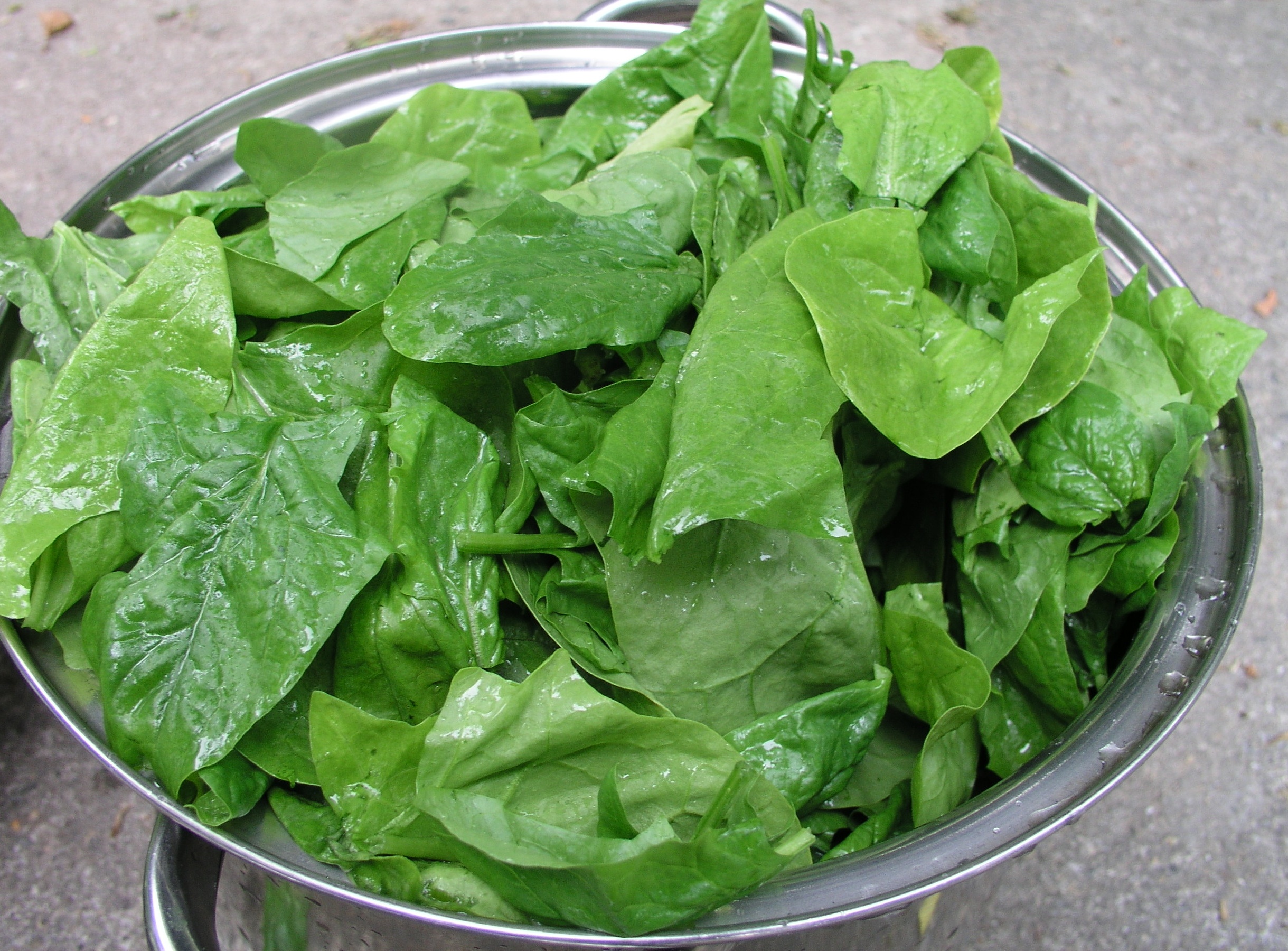
Leaf vegetables, also called potherbs, greens, vegetable greens, leafy greens or salad greens, are plant leaves eaten as a vegetable, sometimes accompanied by tender petioles and shoots. Although they come from a very wide variety of plants, most share a great deal with other leaf vegetables in nutrition and cooking methods.

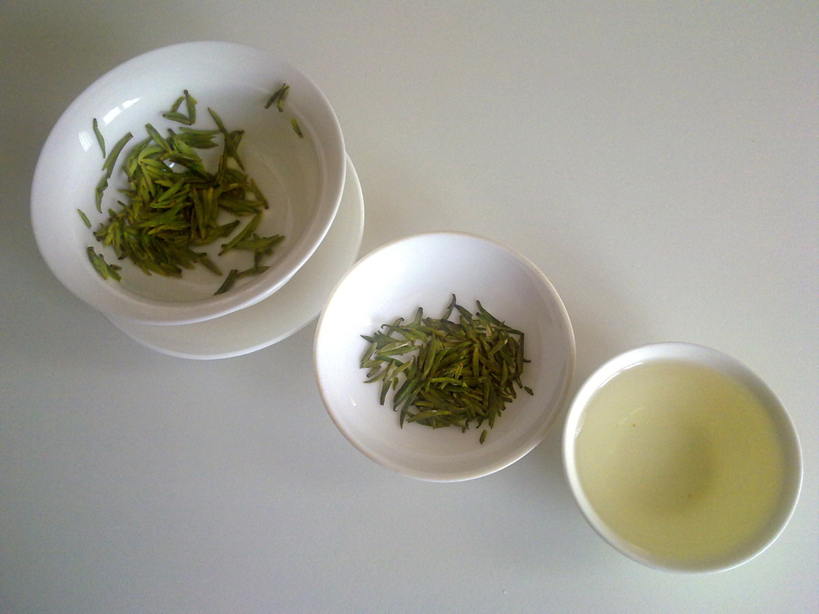
Green tea is a type of tea that is made from Camellia sinensis leaves and buds that have not undergone the same withering and oxidation process used to make oolong teas and black teas.Green tea originated in China, but its production and manufacture has spread to many other countries in Asia. Several varieties of green tea exist, which differ substantially based on the variety of C. sinensis used, growing conditions, horticultural methods, production processing, and time of harvest.
Red wine is a type of wine made from dark-colored (black) grape varieties. The actual color of the wine can range from intense violet, typical of young wines, through to brick red for mature wines and brown for older red wines. The juice from most purple grapes is greenish-white, the red color coming from anthocyan pigments (also called anthocyanins) present in the skin of the grape; exceptions are the relatively uncommon teinturier varieties, which produce a red-colored juice.Much of the red-wine production process therefore involves extraction of color and flavor components from the grape skin.

White wine is a wine that is fermented without skin contact. The colour can be straw-yellow, yellow-green, or yellow-gold.It is produced by the alcoholic fermentation of the non-coloured pulp of grapes, which may have a skin of any colour.White wine is mainly from "white" grapes, which are green or yellow in colour, such as the Chardonnay, Sauvignon, and Riesling.

Rosé wine is a kind of wine. It is made from red grapes by letting the juice have only very short skin contact. All colour and tannins come from the skin of the grape.

Red grape juice is typically manufactured from red-skinned grapes (e.g. Pinot Noir, Sweet Jubilee, etc.). Not a significant source of Calories from Fat, Saturated Fat, Trans Fat, Cholesterol, Dietary fiber, Vitamin A and Iron.
White grape juice is typically manufactured from green-skinned grapes.It has a refreshing, crisp flavor that comes from Niagara grapes. Not a significant source of Calories from Fat, Saturated Fat, Trans Fat, Cholesterol, Dietary fiber, Vitamin A and Iron.
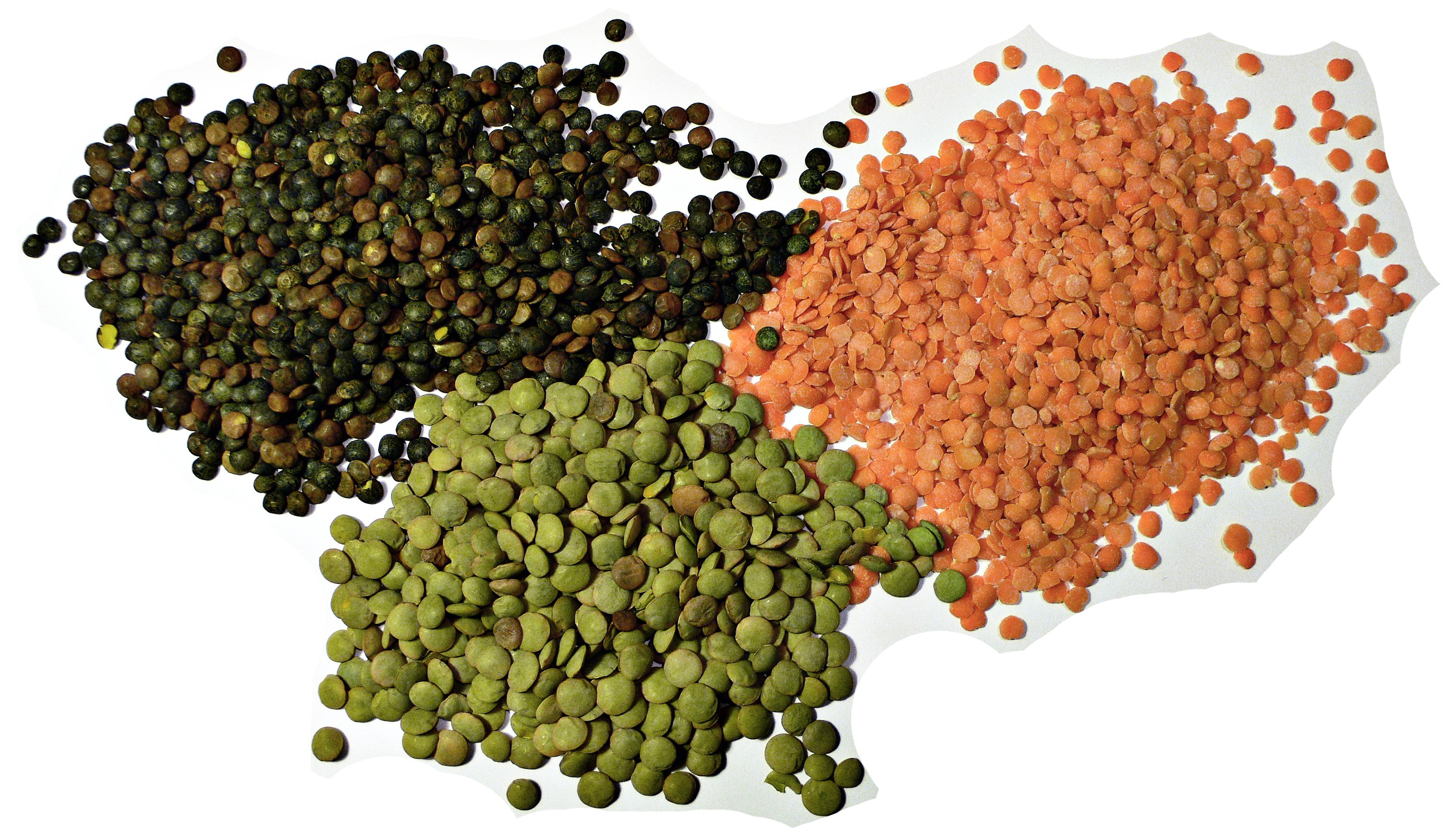
The lentil (Lens culinaris) is an edible pulse. It is a bushy annual plant of the legume family, grown for its lens-shaped seeds. It is about 40 cm (16 in) tall and the seeds grow in pods, usually with two seeds in each.


Source
Compound data linked to PubChem CID 5281718, public domain via NCBI. Culinary context + ingredient mappings are maintained by Foodgeist's enrichment fleet and continuously re-matched by the pairings engine. PubChem CID 5281718