1,2-di-[(9Z,12Z)-octadecadienoyl]-sn-glycero-3-phosphocholine
Molecular structure
Sensory signature
How this molecule tastes and smells · gold is measured, dashed is a model estimate
Biochemical reactions
Metabolic reactions from curated biochemical databases · peer-reviewed
1,2-di-(9Z,12Z-octadecadienoyl)-sn-glycero-3-phosphocholine + H2O = 1-(9Z,12Z)-octadecadienoyl-sn-glycero-3-phosphocholine + (9Z,12Z)-octadecadienoate + H(+)
1,2-di-(9Z,12Z-octadecadienoyl)-sn-glycero-3-phosphocholine + H2O = 2-(9Z,12Z-octadecadienoyl)-sn-glycero-3-phosphocholine + (9Z,12Z)-octadecadienoate + H(+)
1,2-di-(9Z,12Z-octadecadienoyl)-sn-glycero-3-phosphocholine + 1-(9Z-octadecenoyl)-sn-glycero-3-phosphocholine = 1-(9Z)-octadecenoyl-2-(9Z,12Z)-octadecadienoyl-sn-glycero-3-phosphocholine + 1-(9Z,12Z)-
1,2-di-(9Z,12Z-octadecadienoyl)-sn-glycero-3-phosphocholine + 1-tetradecanoyl-sn-glycero-3-phosphocholine = 1-tetradecanoyl-2-(9Z,12Z-octadecadienoyl)-sn-glycero-3-phosphocholine + 1-(9Z,12Z)-octadeca
Foods containing this compound
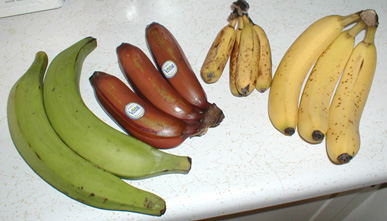

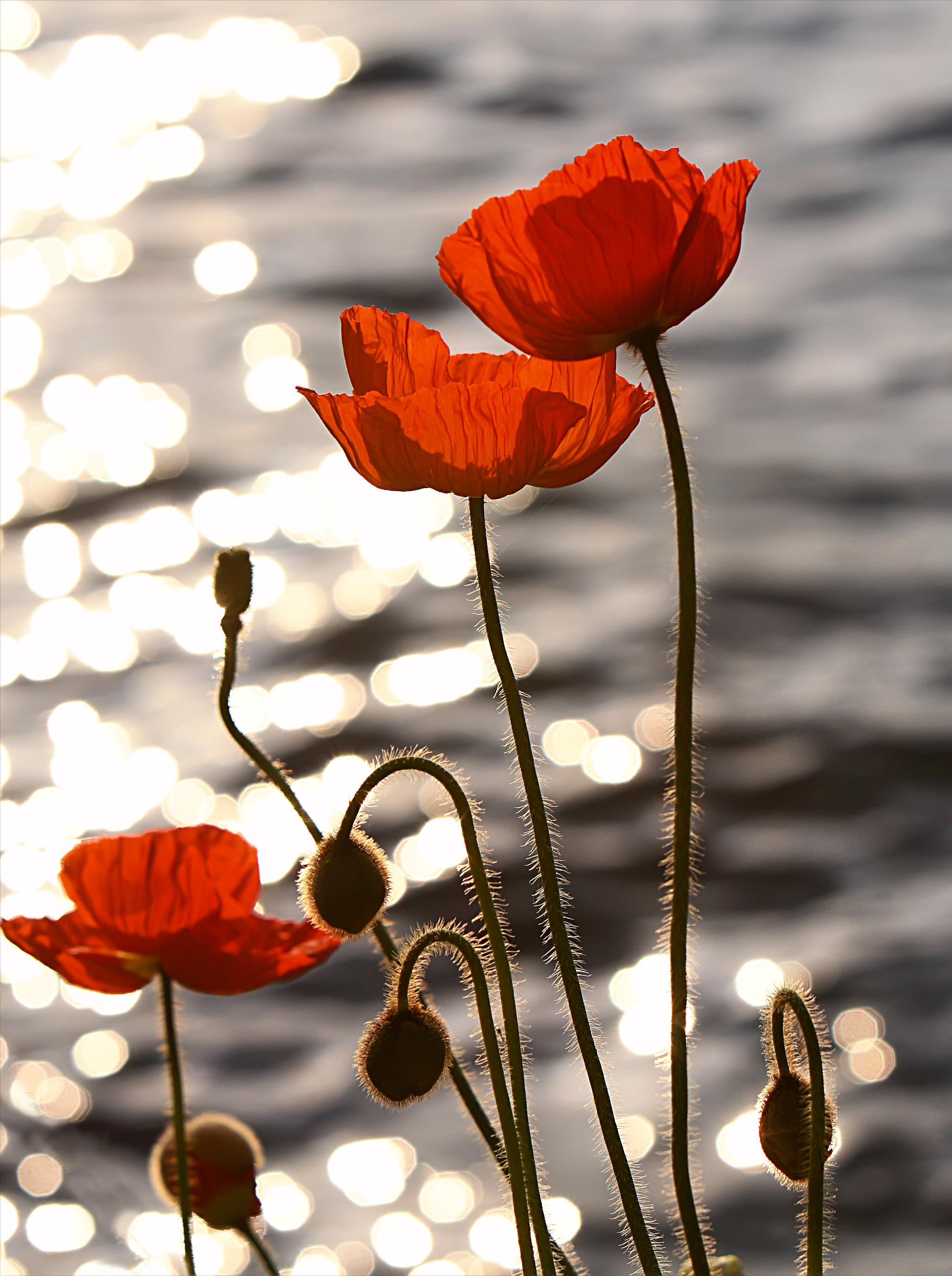
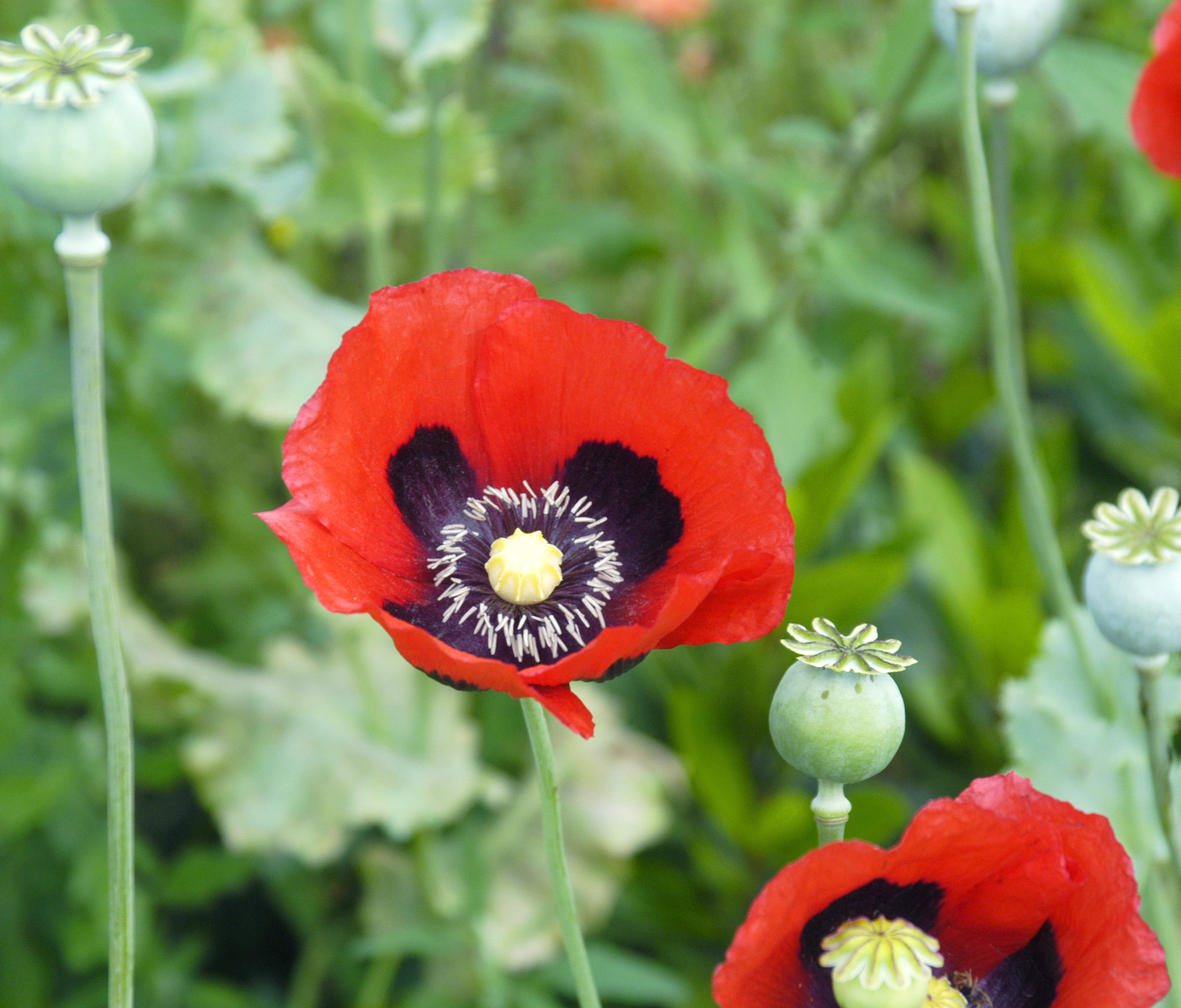
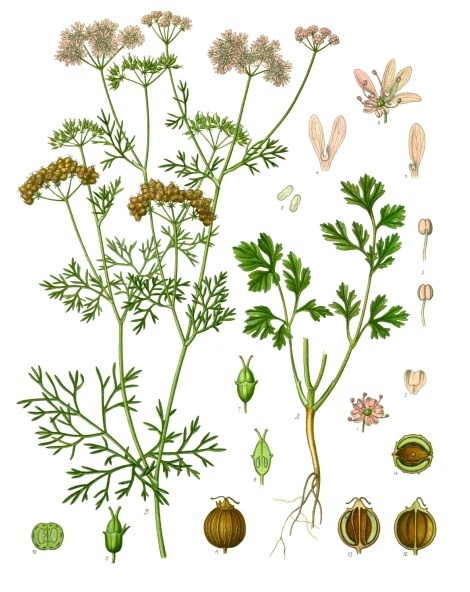
The Poppy is an Angiospermae or flowering plant of the family Papaveraceae. Ornamental poppies are grown for their colorful flowers; some varieties of poppy are used as food, whilst other varieties produce the powerful medicinal alkaloid opium which has been used since ancient times to create analgesic and narcotic medicinal and recreational drugs. Following the trench warfare of the 1st World War which took place in the poppy fields of Flanders, red poppies have become a symbol of remembrance of soldiers who have died during wartime. Poppy flowers have 4 to 6 petals, many stamens forming a conspicuous whorl in the center of the flower and an ovary consisting of from 2 to many fused carpels. Poppies can grow to be over 4 feet tall, and 6 inches across. (Simon, Chadwick, and Craker 1984) The petals are showy, may be of almost any color and some have markings. The petals are crumpled in the bud and as blooming finishes, the petals often lie flat before falling away. The poppy will become dormant after blooming. Poppies are in full bloom late spring to early summer. (Simon, Chadwick, and Craker 1984) Most species secrete latex when injured. The pollen of the oriental poppy, Papaver orientale, is dark blue. The Papaver Somniferum poppy is mainly grown in Eastern and Southern Asia, and South Eastern Europe. It is believed that it originated in the Mediterranean region. (Jonsson and Krzymanski, 1989) The pollen of the field poppy or corn poppy (Papaver rhoeas) is dark green to grey. Bees use poppies as a pollen source. Poppies belong to genera of Papaveraceae, which includes: Papaver – corn poppy, Opium poppy, Oriental poppy, Iceland poppy, and about 120 other species Eschscholzia – California poppy and relatives Meconopsis – Welsh poppy, Nepal poppy, and relatives Stylophorum – Celandine poppy or wood poppy Argemone – Prickly poppy Romneya – Matilija poppy and relatives Canbya – Pygmy poppy Stylomecon – Wind poppy Arctomecon – desert bearpaw poppy Hunnemannia – Tulip poppy Dendromecon – Tree poppy
Verified Data
Compound identity and culinary context are continuously cross-referenced across open scientific databases and maintained by Foodgeist's enrichment pipeline.
The Geist can be wrong. Some flavor, taste, and pairing values are model-predicted, not lab-measured.