PubChem CID · CC0
2-Hydroxy-7-methoxy-2H-1,4-benzoxazin-3(4H)-one
Foods containing this compound


Herbal teas are the beverages made from the infusion or decoction of herbs, spices, or other plant material in hot water. While most herbal teas are safe for regular consumption, some herbs have toxic or allergenic effects. The most herbal teas include Chamomile Tea, Peppermint Tea, Ginger Tea, etc.
Rice is the seed of the monocot plants Oryza sativa (Asian rice) or Oryza glaberrima (African rice). As a cereal grain, it is the most widely consumed staple food for a large part of the world's human population, especially in Asia and the West Indies. It is the grain with the second-highest worldwide production, after maize (corn), according to data for 2010. Since a large portion of maize crops are grown for purposes other than human consumption, rice is the most important grain with regard to human nutrition and caloric intake, providing more than one fifth of the calories consumed worldwide by the human species. Genetic evidence has shown that rice originates from a single domestication 8,200–13,500 years ago, in the Pearl River valley region of China. Previously, archaeological evidence had suggested that rice was domesticated in the Yangtze River valley region in China. From East Asia, rice spread to Southeast and South Asia. Rice was introduced to Europe through Western Asia, and to the Americas through European colonization. There are many varieties of rice and culinary preferences tend to vary regionally. In the Far East, there is a preference for softer and stickier varieties. Because of its importance as a staple food, rice has considerable cultural importance. Rice is often directly associated with prosperity and fertility. Therefore, there is the custom of throwing rice at weddings. Rice is normally grown as an annual plant, although in tropical areas it can survive as a perennial and can produce a ratoon crop for up to 30 years. The rice plant can grow to 1–1.8 m tall, occasionally more depending on the variety and soil fertility. It has long, slender leaves 50–100 cm long and 2–2.5 cm broad. The small wind-pollinated flowers are produced in a branched arching to pendulous inflorescence 30–50 cm long. The edible seed is a grain 5–12 mm long and 2–3 mm thick. Rice cultivation is well-suited to countries and regions with low labor costs and high rainfall, as it is labor-intensive to cultivate and requires ample water. Rice can be grown practically anywhere, even on a steep hill or mountain. Although its parent species are native to Asia and certain parts of Africa, centuries of trade and exportation have made it commonplace in many cultures worldwide. The traditional method for cultivating rice is flooding the fields while, or after, setting the young seedlings. This simple method requires sound planning and servicing of the water damming and channeling, but reduces the growth of less robust weed and pest plants that have no submerged growth state, and deters vermin. While flooding is not mandatory for the cultivation of rice, all other methods of irrigation require higher effort in weed and pest control during growth periods and a different approach for fertilizing the soil. The name wild rice is usually used for species of the grass genus Zizania, both wild and domesticated, although the term may also be used for primitive or uncultivated varieties of Oryza.

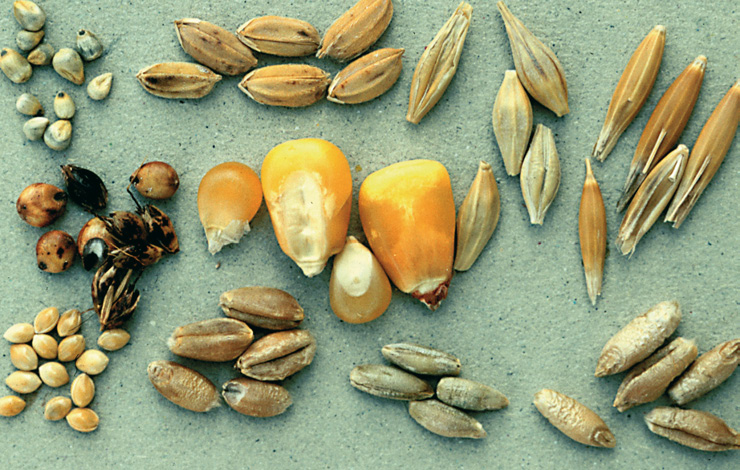
The millets are a group of highly variable small-seeded grasses, widely grown around the world as cereal crops or grains for both human food and fodder. They do not form a taxonomic group, but rather a functional or agronomic one. Millets are important crops in the semi-arid tropics of Asia and Africa, with 97% of millet production in developing countries. The crop is favored due to its productivity and short growing season under dry, high temperature conditions. The most widely grown millet is pearl millet, which is an important crop in India and parts of Africa. Finger millet, proso millet, and foxtail millet are also important crop species. In the developed world, millets are less important. For example, in the United States the only significant crop is proso millet, which is mostly grown for bird seed. While millets are indigenous to many parts of the world, millets most likely had an evolutionary origin in tropical western Africa, as that is where the greatest number of both wild and cultivated forms exist. Millets have been important food staples in human history, particularly in Asia and Africa, and they have been in cultivation in East Asia for the last 10,000 years.
The common oat (Avena sativa) is a species of cereal grain grown for its seed, which is known by the same name (usually in the plural, unlike other grains). While oats are suitable for human consumption as oatmeal and rolled oats, one of the most common uses is as livestock feed.

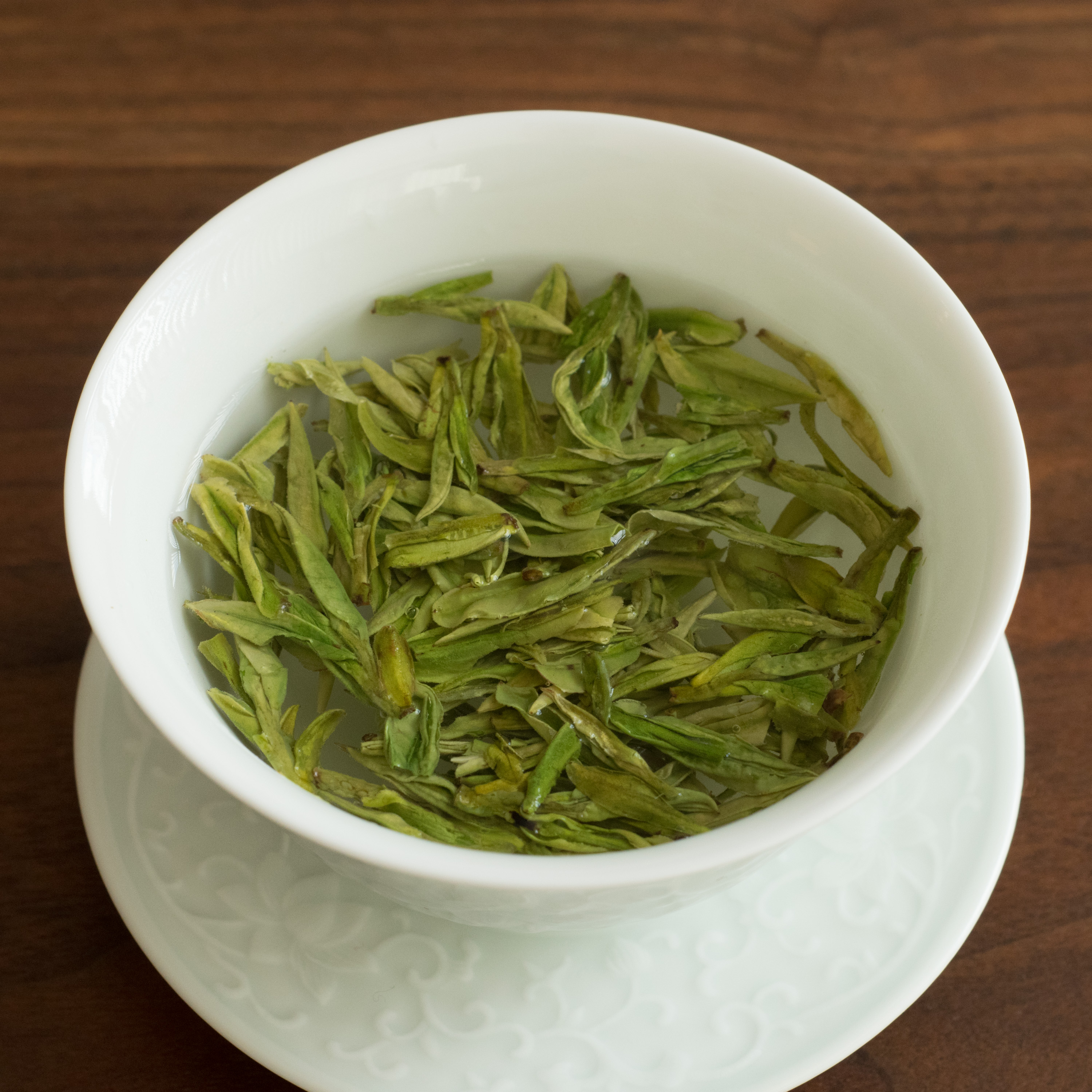
Tea is an aromatic beverage commonly prepared by pouring hot or boiling water over cured leaves of the tea plant, Camellia sinensis. After water, tea is the most widely consumed beverage in the world. It has a cooling, slightly bitter, and astringent flavour that many people enjoy.
Quinoa, a species of goosefoot, is a grain-like crop grown primarily for its edible seeds. It is a pseudocereal rather than a true cereal, or grain, as it is not a member of the true grass family. As a chenopod, quinoa is closely related to species such as beets, spinach and tumbleweeds.

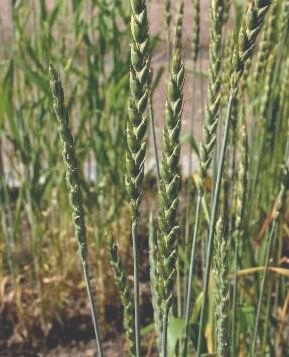
Spelt, also known as dinkel wheat, or hulled wheat, is a species of wheat cultivated since 5000 BCE. Spelt was an important staple in parts of Europe from the Bronze Age to medieval times; it now survives as a relict crop in Central Europe and northern Spain and has found a new market as a health food. Spelt is sometimes considered a subspecies of the closely related species common wheat (T. aestivum), in which case its botanical name is considered to be Triticum aestivum subsp. spelta. It is a hexaploid wheat, which means it has six sets of chromosomes.

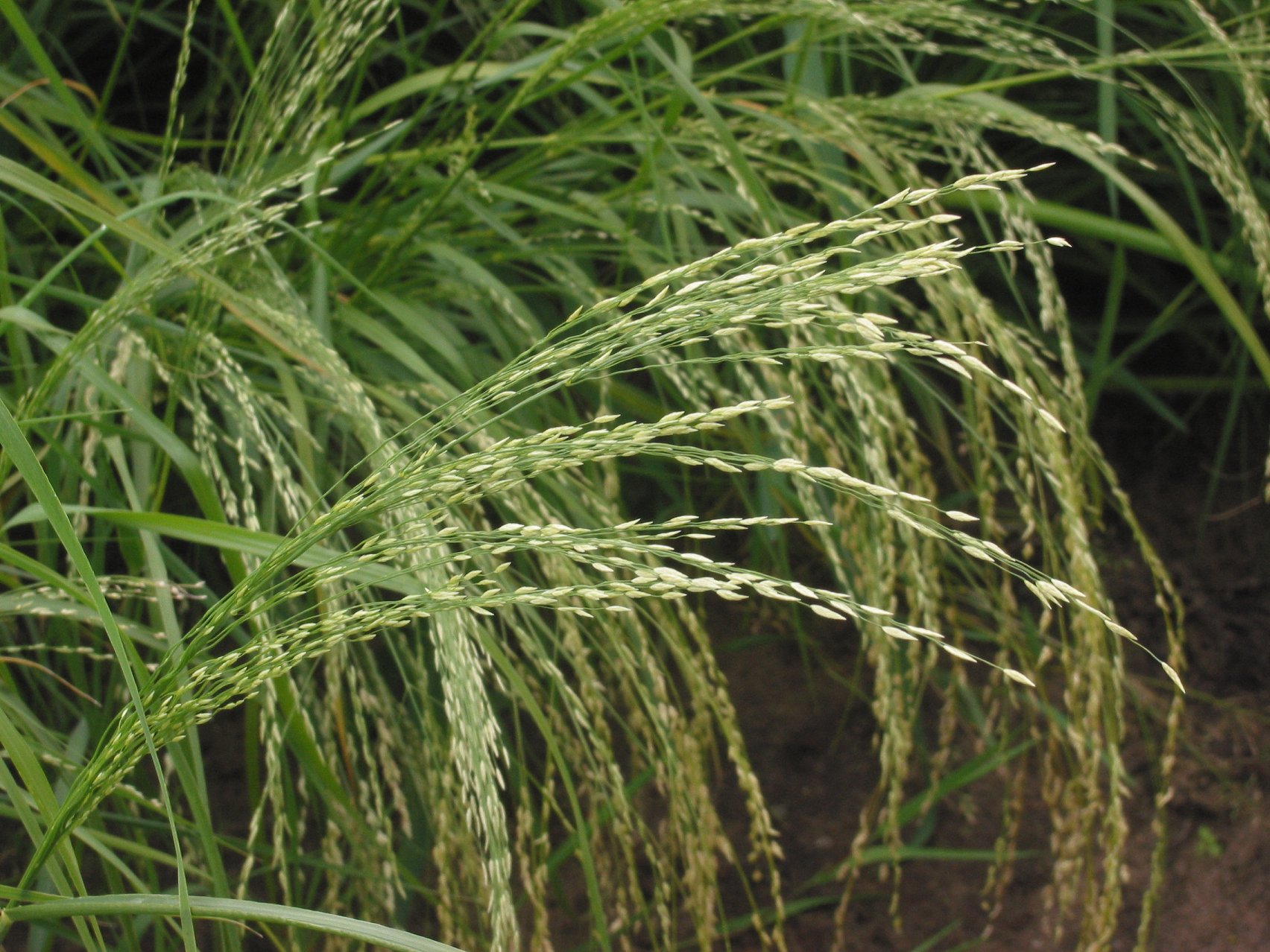
Eragrostis tef, teff, Williams lovegrass, annual bunch grass, taf (Tigrinya: ጣፍ? ṭaff; Amharic: ጤፍ? ṭēff) and xaafii (Oromo)), is an annual grass, a species of lovegrass native to the northern Ethiopian Highlands and Eritrean Highlands of the Horn of Africa. The word "tef" is connected by folk etymology to the Ethio-Semitic root "\tff\", which means "lost" (because of the small size of the grain).
Wild rice (also called Canada rice, Indian rice, and water oats) are four species of grasses forming the genus Zizania, and the grain which can be harvested from them. The grain was historically gathered and eaten in both North America and China. While it is now a delicacy in North America, the grain is eaten less in China, where the plant's stem is used as a vegetable.

Khorasan wheat or Oriental wheat (Triticum turgidum ssp. turanicum also called Triticum turanicum) is a tetraploid wheat species. It is an ancient grain type; Khorasan refers to a historical region in modern-day Afghanistan and the northeast of Iran. This grain is twice the size of modern-day wheat and is known for its rich nutty flavor.
Wheat (Triticum spp. ) is a cereal grain, originally from the Levant region of the Near East and Ethiopian Highlands, but now cultivated worldwide. In 2010, world production of wheat was 651 million tons, making it the third most-produced cereal after maize (844 million tons) and rice (672 million tons). Wheat was the second most-produced cereal in 2009; world production in that year was 682 million tons, after maize (817 million tons), and with rice as a close third (679 million tons). This grain is grown on more land area than any other commercial food. World trade in wheat is greater than for all other crops combined. Globally, wheat is the leading source of vegetable protein in human food, having a higher protein content than soybeans or the other major cereals, maize (corn) or rice. In terms of total production tonnages used for food, it is currently second to rice as the main human food crop and ahead of maize, after allowing for maize's more extensive use in animal feeds. Wheat was a key factor enabling the emergence of city-based societies at the start of civilization because it was one of the first crops that could be easily cultivated on a large scale, and had the additional advantage of yielding a harvest that provides long-term storage of food. Wheat contributed to the emergence of city-states in the Fertile Crescent, including the Babylonian and Assyrian empires. Wheat grain is a staple food used to make flour for leavened, flat and steamed breads, biscuits, cookies, cakes, breakfast cereal, pasta, noodles, couscous and for fermentation to make beer, other alcoholic beverages, or biofuel. Wheat is planted to a limited extent as a forage crop for livestock, and its straw can be used as a construction material for roofing thatch. The whole grain can be milled to leave just the endosperm for white flour. The by-products of this are bran and germ. The whole grain is a concentrated source of vitamins, minerals, and protein, while the refined grain is mostly starch.
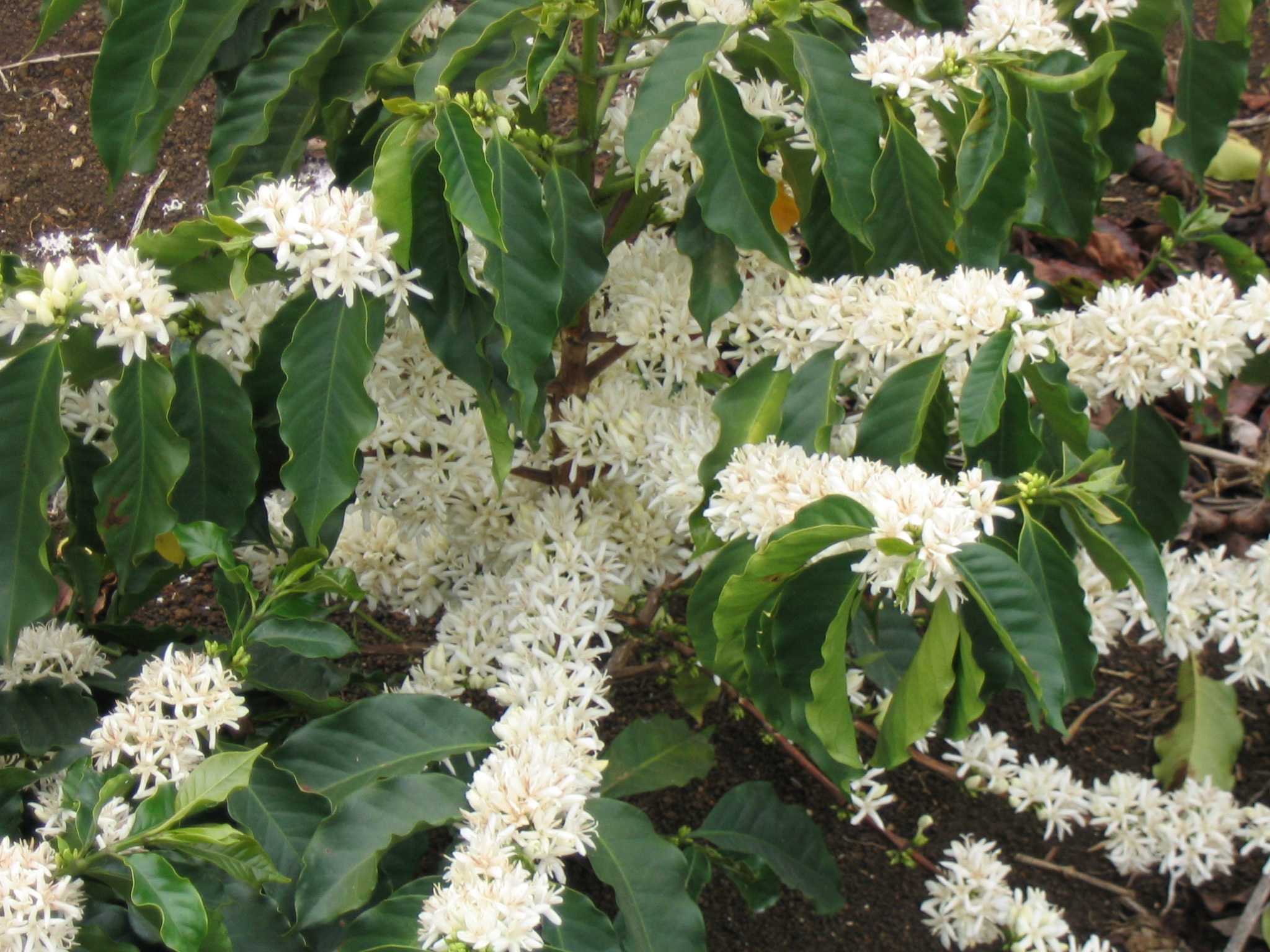
Coffea arabica is a species of Coffea originally indigenous to the mountains of the southwestern highlands of Ethiopia. It is also known as the "coffee shrub of Arabia", "mountain coffee" or "arabica coffee". Coffea arabica is believed to be the first species of coffee to be cultivated, being grown in southwest Ethiopia for well over 1,000 years.

Robusta coffee (Coffea canephora; syn. Coffea robusta) is a variety of coffee, which has its origins in central and western sub-Saharan Africa. It is a species of flowering plant in the Rubiaceae family. Though widely known as Coffea robusta, the plant is scientifically identified as Coffea canephora, which has two main varieties - Robusta and Nganda.

Bulgur (also bulghur, burghul or bulgar) is a cereal food made from several different wheat species, most often from durum wheat. In the United States it is most often made from white wheat. Its use is most common in Middle Eastern cuisine, Iran, Turkey, Greece, Armenia and Bulgaria. In India it is called Lapsi. [Wikipedia]
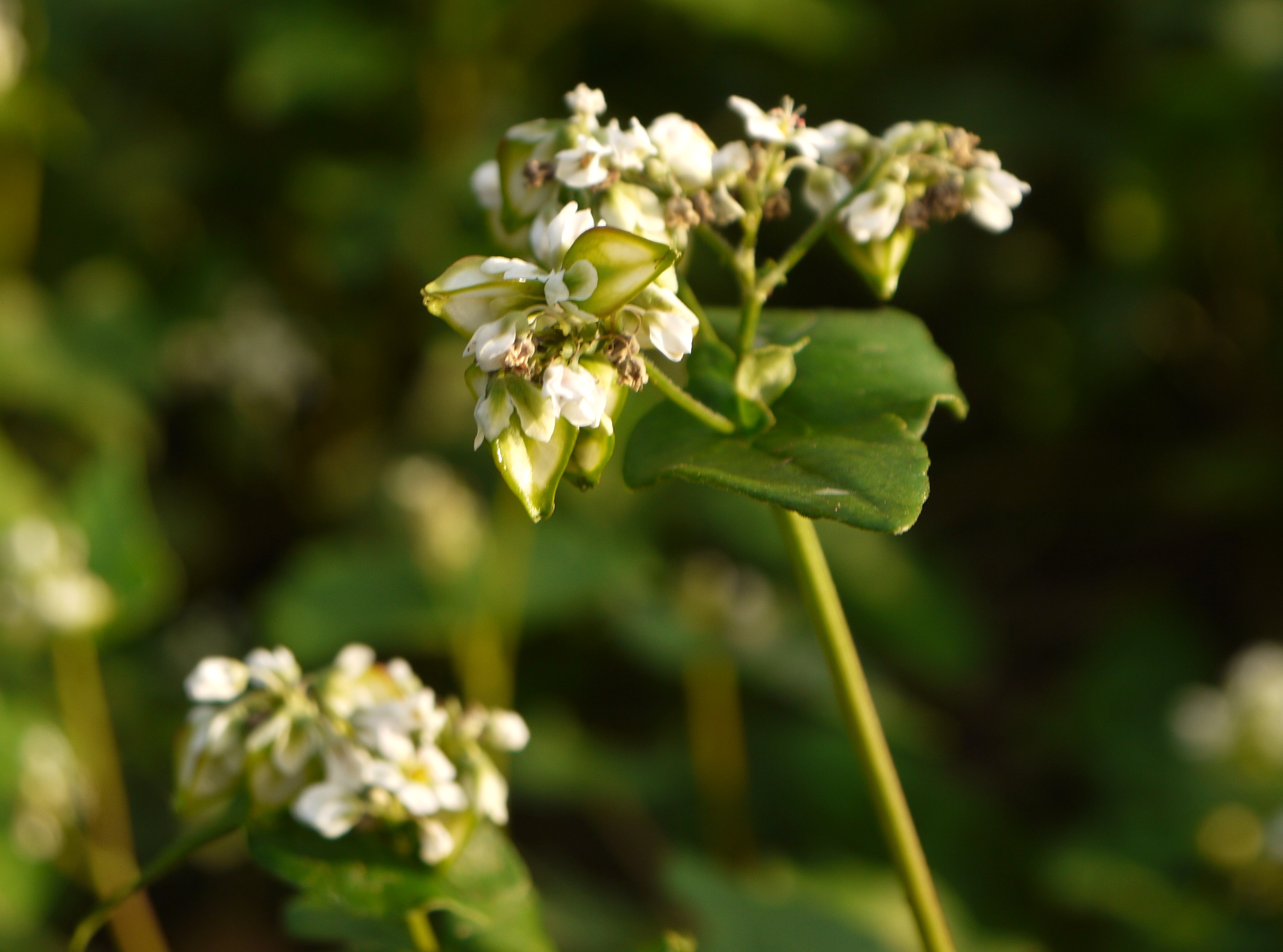
Buckwheat (Fagopyrum esculentum) is a plant cultivated for its grain-like seeds, and also used as a cover crop. Despite the name, buckwheat is not related to wheat, as it is not a grass; instead, buckwheat is related to sorrel, knotweed, and rhubarb. The cultivation of buckwheat grain declined sharply in the 20th century with the adoption of nitrogen fertilizer that increased the productivity of other staples. A related species, Fagopyrum tataricum (Tartary buckwheat) is also cultivated as a grain in the Himalayas.

Tartary buckwheat (Fagopyrum tataricum) also known as duckwheat, India buckwheat, India wheat, green buckwheat, or bitter buckwheat, is a domesticated food plant in the genus Fagopyrum (sometimes merged into the genus Polygonum) in the family Polygonaceae. With another species in the same genus, common buckwheat, it is often counted as a cereal, but unlike the true cereals the buckwheats are not members of the grass family. Thus they are not related to true wheat. Tartary buckwheat is bitterer, but contains more rutin than common buckwheat. It also contains quercitrin. Tartar buckwheat was domesticated in east Asia. While it is unfamiliar to the West, it is still eaten in the Himalayan region today.
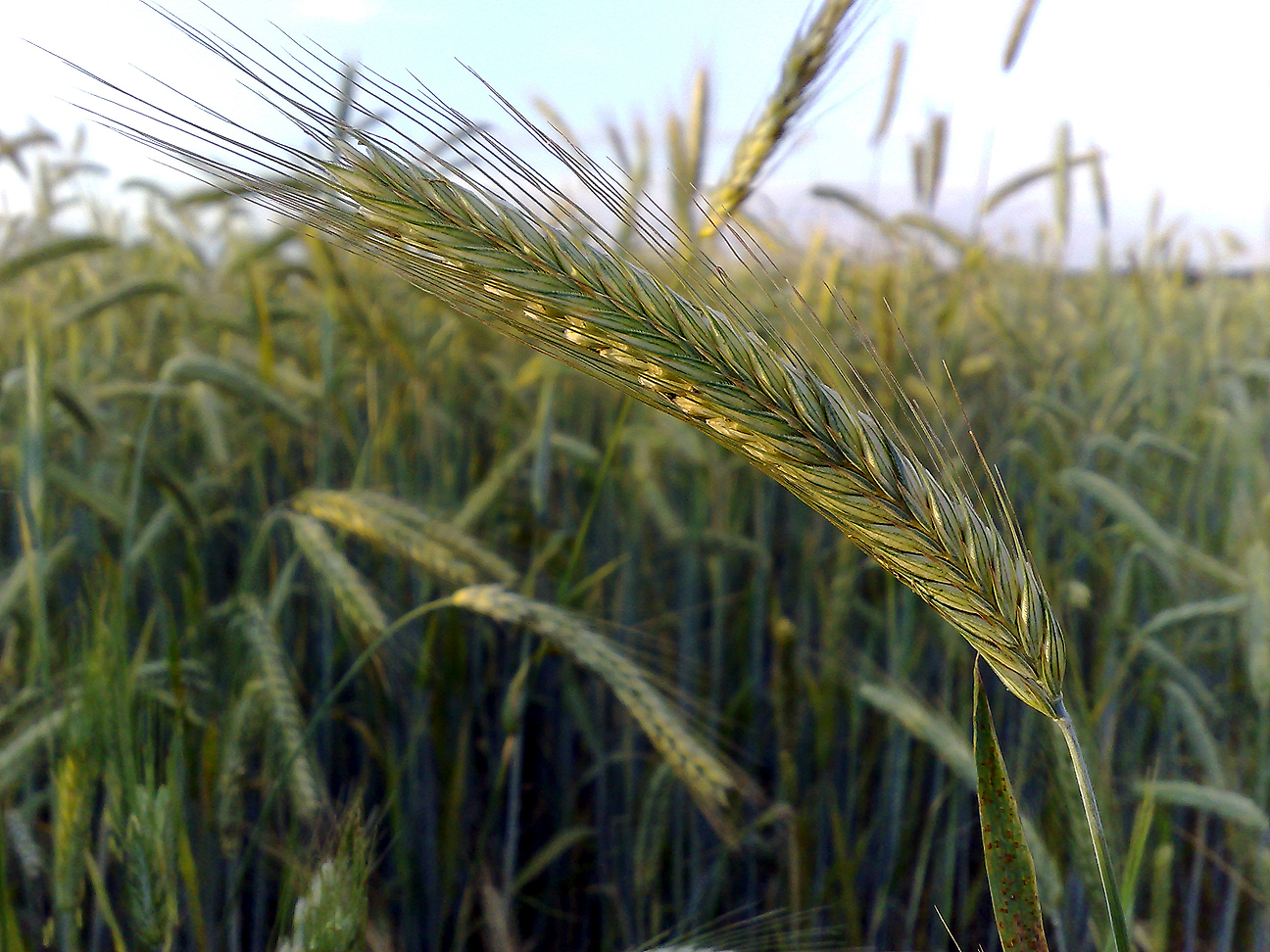
Flour is a powder which is made by grinding cereal grains, other seeds, or roots (like Cassava). It is the main ingredient of bread, which is a staple food for many cultures, making the availability of adequate supplies of flour a major economic and political issue at various times throughout history. Wheat flour is one of the most important foods in European, North American, Middle Eastern and North African cultures, and is the defining ingredient in most of their styles of breads and pastries. Maize flour has been important in Mesoamerican cuisine since ancient times, and remains a staple in much of Latin American cuisine. Rye flour is an important constituent of bread in much of central/northern Europe. [Wikipedia]
The soybean (US) or soya bean (UK) (Glycine max) is a species of legume native to East Asia, widely grown for its edible bean which has numerous uses. The plant is classed as an oilseed rather than a pulse by the UN Food and Agricultural Organization (FAO). Fat-free (defatted) soybean meal is a significant and cheap source of protein for animal feeds and many prepackaged meals; soy vegetable oil is another product of processing the soybean crop. For example, soybean products such as textured vegetable protein (TVP) are ingredients in many meat and dairy analogues. Soybeans produce significantly more protein per acre than most other uses of land. Traditional nonfermented food uses of soybeans include soy milk, and from the latter tofu and tofu skin. Fermented foods include soy sauce, fermented bean paste, natto, and tempeh, among others. The oil is used in many industrial applications. The main producers of soy are the United States (35%), Brazil (27%), Argentina (19%), China (6%) and India (4%). The beans contain significant amounts of phytic acid, alpha-linolenic acid, and isoflavones.
Barley (Hordeum vulgare L. ), a member of the grass family, is a major cereal grain. Important uses include use as animal fodder, as a source of fermentable material for beer and certain distilled beverages, and as a component of various health foods. It is used in soups and stews, and in barley bread of various cultures. Barley grains are commonly made into malt in a traditional and ancient method of preparation. In a 2007 ranking of cereal crops in the world, barley was fourth both in terms of quantity produced (136 million tons) and in area of cultivation (566,000 km²).

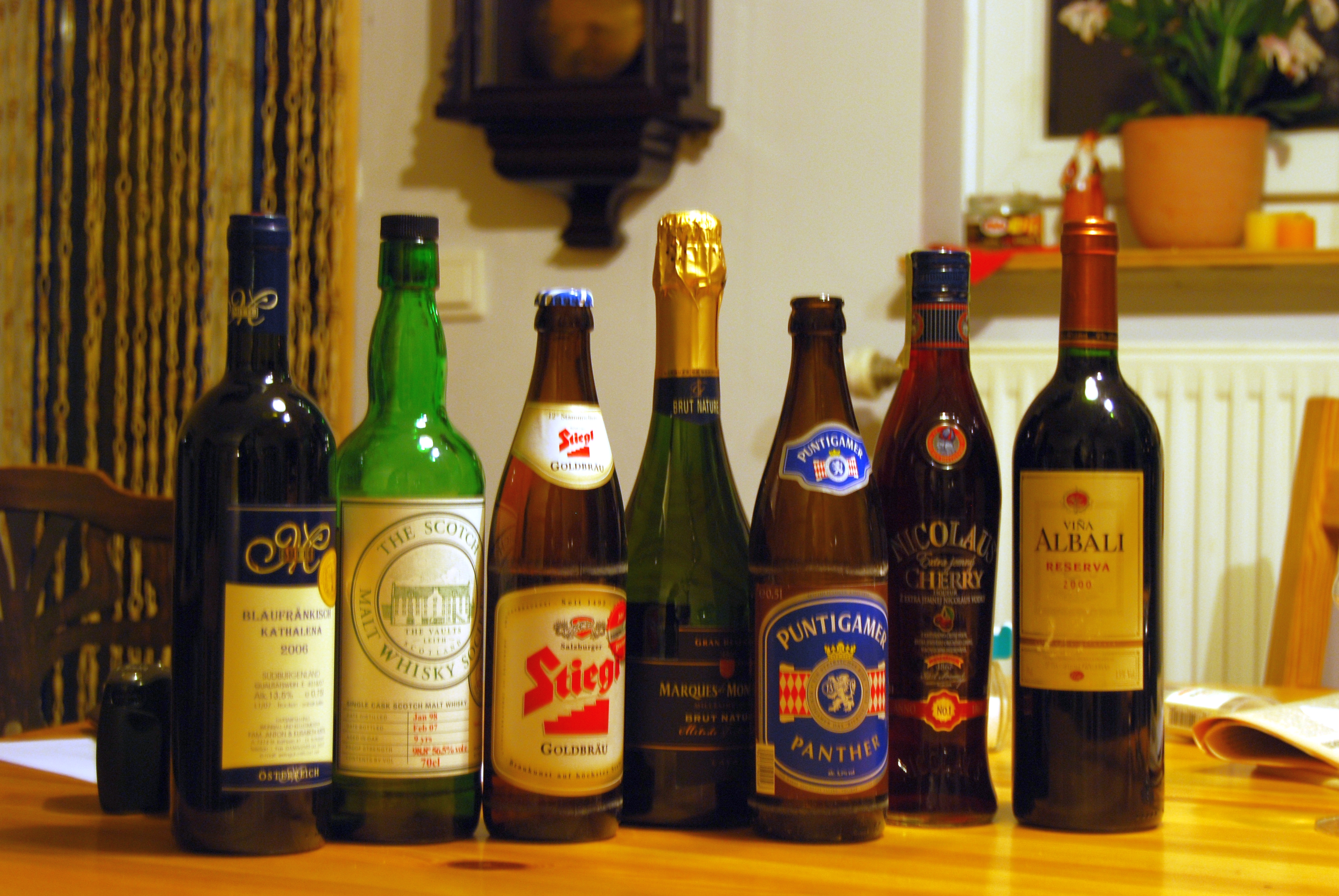
An alcoholic beverage is a drink that typically contains 3% ? 40% ethanol (commonly called alcohol). Alcoholic beverages are divided into three classes: beers, wines, and spirits (distilled beverages). They are legally consumed in most countries around the world. More than 100 countries have laws regulating their production, sale, and consumption.


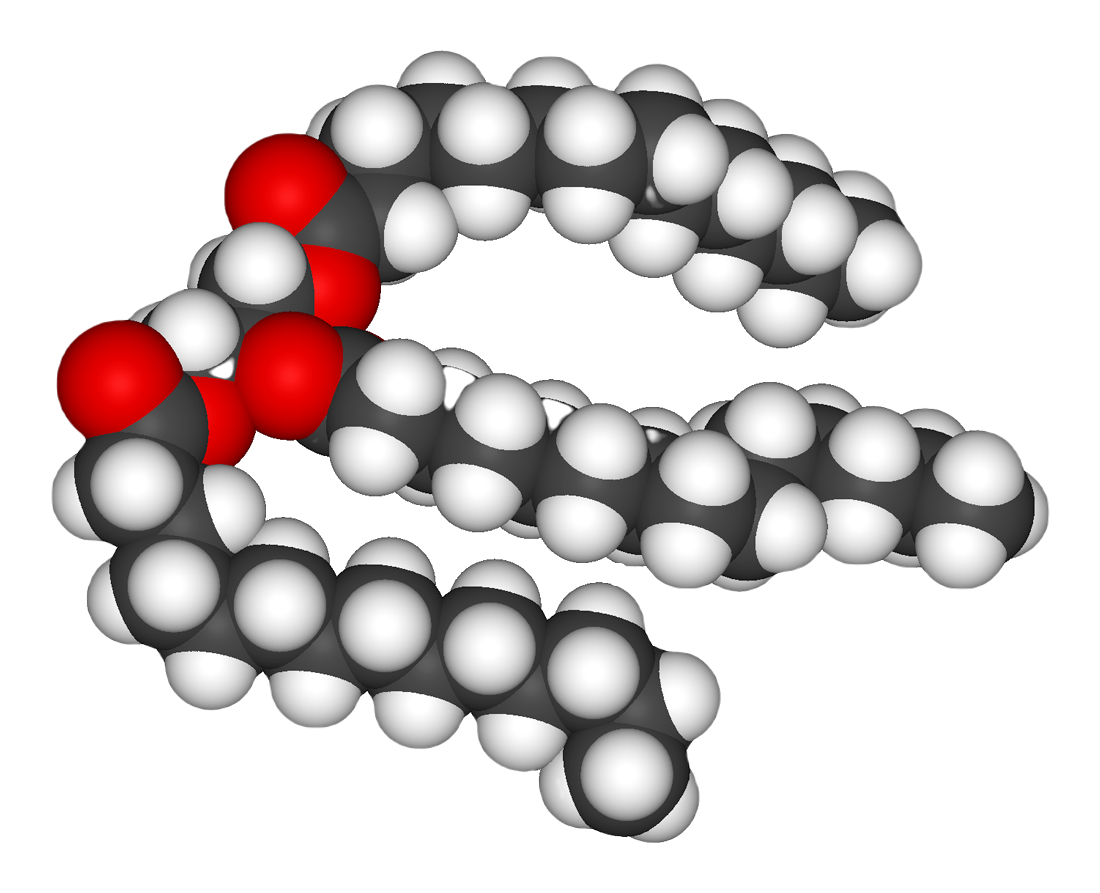
Fats are a wide group of compounds that are generally soluble in organic solvents and generally insoluble in water. Chemically, fats are triglycerides: triesters of glycerol and any of several fatty acids. Fats may be either solid or liquid at room temperature, depending on their structure and composition. Although the words "oils", "fats", and "lipids" are all used to refer to fats, in reality, fat is a subset of lipid. "Oils" is usually used to refer to fats that are liquids at normal room temperature, while "fats" is usually used to refer to fats that are solids at normal room temperature. "Lipids" is used to refer to both liquid and solid fats, along with other related substances, usually in a medical or biochemical context, which are not soluble in water. The word "oil" is also used for any substance that does not mix with water and has a greasy feel, such as petroleum (crude oil), heating oil, and essential oils, regardless of its chemical structure.
Black tea is a type of tea that is more oxidized than oolong, green, and white teas.Black tea is generally stronger in flavour than other teas.It is made from leaves of the shrub (or small tree) Camellia sinensis.In China, where black tea was discovered,the beverage is called "red tea" due to the color of the oxidized leaves when processed appropriately.Plain black tea without sweeteners or additives contains caffeine, but negligible quantities of calories or nutrients.

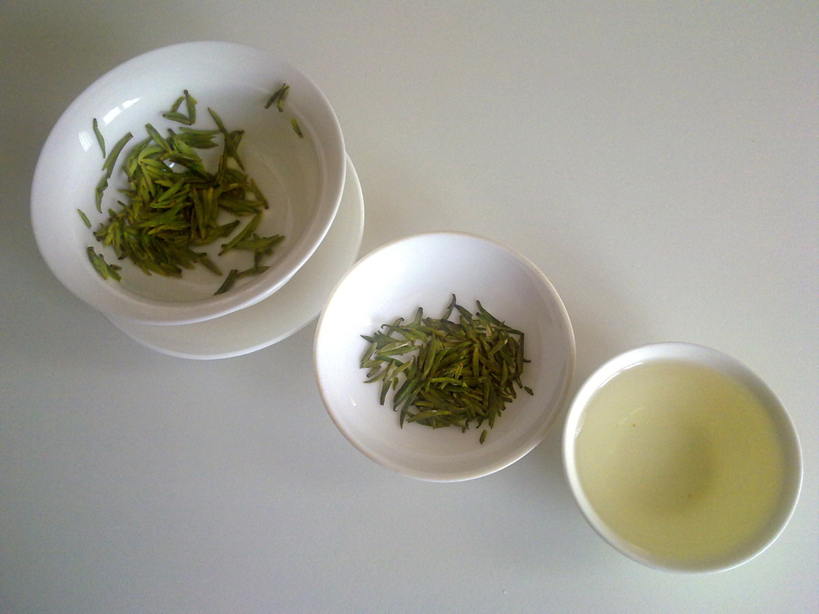
Green tea is a type of tea that is made from Camellia sinensis leaves and buds that have not undergone the same withering and oxidation process used to make oolong teas and black teas.Green tea originated in China, but its production and manufacture has spread to many other countries in Asia. Several varieties of green tea exist, which differ substantially based on the variety of C. sinensis used, growing conditions, horticultural methods, production processing, and time of harvest.

Rooibos tea is also known as red tea or red bush tea.It is made using leaves from a shrub called Aspalathus linearis, usually grown on the western coast of South Africa.Rooibos is a herbal tea and is not related to green or black tea.


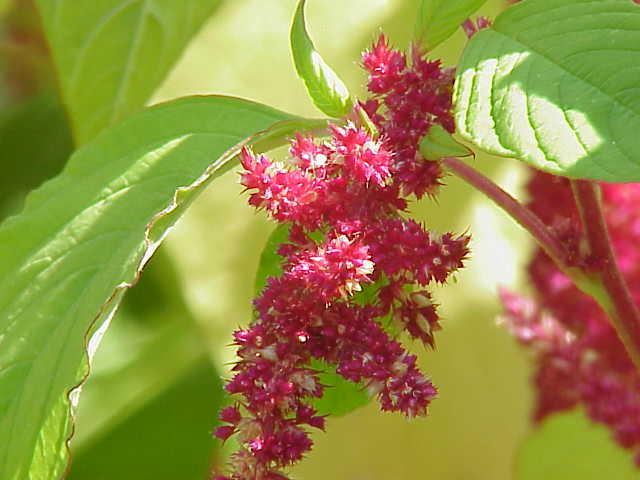
Species of plant
Rice that is naturally a red color
Source
Compound data linked to PubChem CID 152213, public domain via NCBI. Culinary context + ingredient mappings are maintained by Foodgeist's enrichment fleet and continuously re-matched by the pairings engine. PubChem CID 152213