PubChem CID · CC0
(1<i>S</i>,2<i>R</i>)-1-<em>C</em>-(indol-3-yl)glycerol 3-phosphate
Foods containing this compound

Flax (also known as common flax or linseed) is a member of the genus Linum in the family Linaceae. It is a food and fibre crop that is grown in cooler regions of the world. Flax fibres are taken from the stem of the plant and are two to three times as strong as those of cotton. As well, flax fibres are naturally smooth and straight. Europe and North America depended on flax for cloth until the nineteenth century, when cotton overtook flax as the most common plant used for making linen paper. Flax is grown on the Canadian Praires for linseed oil, which is used as a drying oil in paints and varnish and in products such as linoleum and printing inks. It is native to the region extending from the eastern Mediterranean to India and was probably first domesticated in the Fertile Crescent. Flax was extensively cultivated in ancient Ethiopia and ancient Egypt. A discovery reported in 2009 of spun, dyed, and knotted wild flax fibers in a prehistoric cave in the Republic of Georgia shows that the plant was already in use by humans at the surprisingly early date of 30,000 B.C. New Zealand flax is not related to flax but was named after it, as both plants are used to produce fibers.

The lychee (Litchi chinensis) (Chinese: ??; pinyin: lì zh?) is the sole member of the genus Litchi in the soapberry family, Sapindaceae. It is a tropical and subtropical fruit tree native to the Guangdong and Fujian provinces of China, and now cultivated in many parts of the world. The fresh fruit has a "delicate, whitish pulp" with a floral smell and a fragrant, sweet flavor. Since this perfume-like flavor is lost in the process of canning, the fruit is usually eaten fresh.
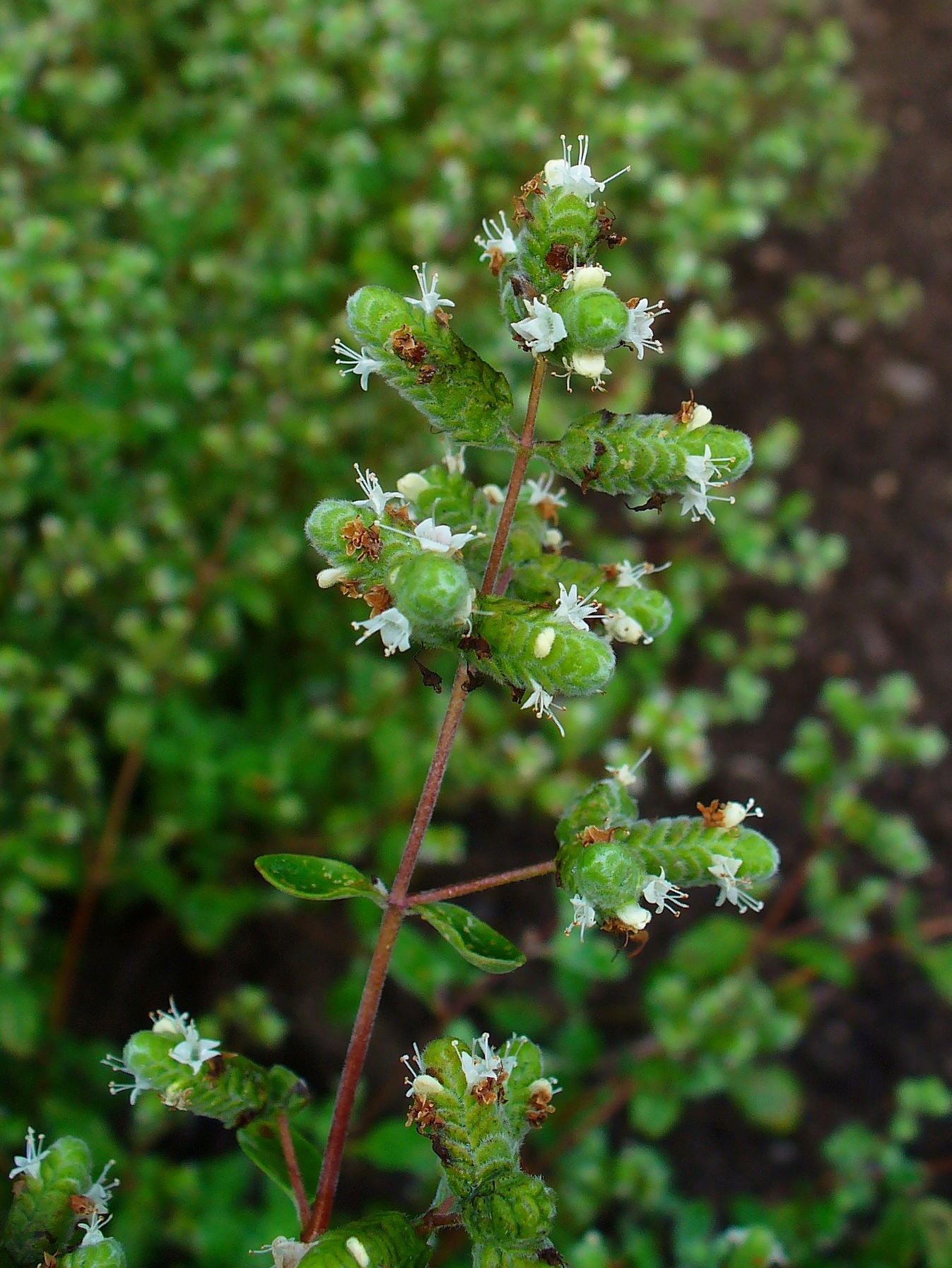
Marjoram (Origanum majorana, syn. Majorana hortensis Moench, Majorana majorana (L.) H. Karst) is a somewhat cold-sensitive perennial herb or undershrub with sweet pine and citrus flavors. In some Middle-Eastern countries, marjoram is synonymous with oregano, and there the names sweet marjoram and knotted marjoram are used to distinguish it from other plants of the genus Origanum.

The parsnip is a root vegetable closely related to the carrot. It is a biennial plant usually grown as an annual. Its long tuberous root has cream-colored skin and flesh and can be left in the ground when mature as it becomes sweeter in flavour after winter frosts. In its first growing season, the plant has a rosette of pinnate, mid-green leaves. If unharvested, it produces its flowering stem, topped by an umbel of small yellow flowers, in its second growing season. By this time the stem is woody and the tuber inedible. The seeds are pale brown, flat and winged.

Dill (Anethum graveolens), also known as Lao coriander, depending on where it is grown, is either a perennial or annual herb. It is the sole species of the genus Anethum. Dill is widely grown in Eurasia where its leaves and seeds are used as a herb or spice for flavouring food. Like caraway, the fern-like leaves of dill are aromatic and are used to flavor many foods such as gravlax (cured salmon) and other fish dishes, borscht and other soups, as well as pickles (where the dill flower is sometimes used). Dill is best when used fresh as it loses its flavor rapidly if dried; however, freeze-dried dill leaves retain their flavor relatively well for a few months [Wikipedia].

Parsley or garden parsley (Petroselinum crispum) is a species of Petroselinum in the family Apiaceae, native to the central Mediterranean region, naturalized elsewhere in Europe, and widely cultivated as an herb, a spice and a vegetable.
Phoenix dactylifera (date, or date palm) is a palm in the genus Phoenix, cultivated for its edible sweet fruit. The fruit is known as a date. The fruit's English name (through Old French), as well as the Latin species name dactylifera, both come from the Greek word for "finger", dáktulos, because of the fruit's elongated shape. Dates are oval-cylindrical, 3?7 cm long, and 2?3 cm (0.79?1.18 in) diameter, and when ripe, range from bright red to bright yellow in colour, depending on variety. Dates contain a single stone about 2?2.5 cm (0.79?0.98 in) long and 6?8 mm (0.24?0.31 in) thick. Three main cultivar groups of date exist: soft (e.g. 'Barhee', 'Halawy', 'Khadrawy', 'Medjool'), semi-dry (e.g. 'Dayri', 'Deglet Noor', 'Zahdi'), and dry (e.g. 'Thoory'). The type of fruit depends on the glucose, fructose and sucrose content.
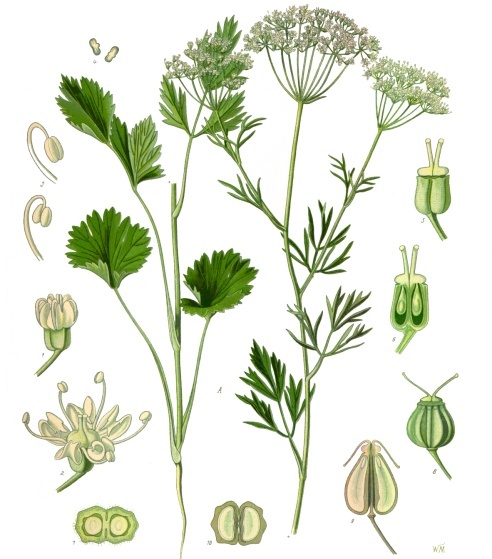
Anise, Pimpinella anisum, also called aniseed, is a flowering plant in the family Apiaceae native to the eastern Mediterranean region and Southwest Asia. Its flavor has similarities with some other spices, such as star anise, fennel and liquorice.

Pine nuts are the edible seeds of pines (family Pinaceae, genus Pinus). About 20 species of pine produce seeds large enough to be worth harvesting; in other pines the seeds are also edible, but are too small to be of great value as a human food.
An apricot is a fruit or the tree that bears the fruit. Usually, an apricot tree is from the tree species Prunus armeniaca, but the species Prunus brigantina, Prunus mandshurica, Prunus mume, and Prunus sibirica are closely related, have similar fruit, and are also called apricots.

The almond (Prunus dulcis, syn. Prunus amygdalus, Amygdalus communis, Amygdalus dulcis) (or badam in Indian English, from Persian: بادام ) is a species of tree native to the Middle East and South Asia. "Almond" is also the name of the edible and widely cultivated seed of this tree. Within the genus Prunus, it is classified with the peach in the subgenus Amygdalus, distinguished from the other subgenera by the corrugated shell (endocarp) surrounding the seed.
Horseradish (Armoracia rusticana, syn. Cochlearia armoracia) is a perennial plant of the Brassicaceae family (which also includes mustard, wasabi, broccoli, and cabbage). The plant is probably native to southeastern Europe and western Asia. It is now popular around the world. It grows up to 1.5 metres (5 feet) tall, and is cultivated primarily for its large, white, tapered root. The intact horseradish root has hardly any aroma. When cut or grated, however, enzymes from the now-broken plant cells break down sinigrin to produce allyl isothiocyanate, which irritates the mucous membranes of the sinuses and eyes. Once exposed to air (via grating) or heat, if not used immediately or mixed in vinegar, the grated mash darkens, loses its pungency, and becomes unpleasantly bitter-tasting.

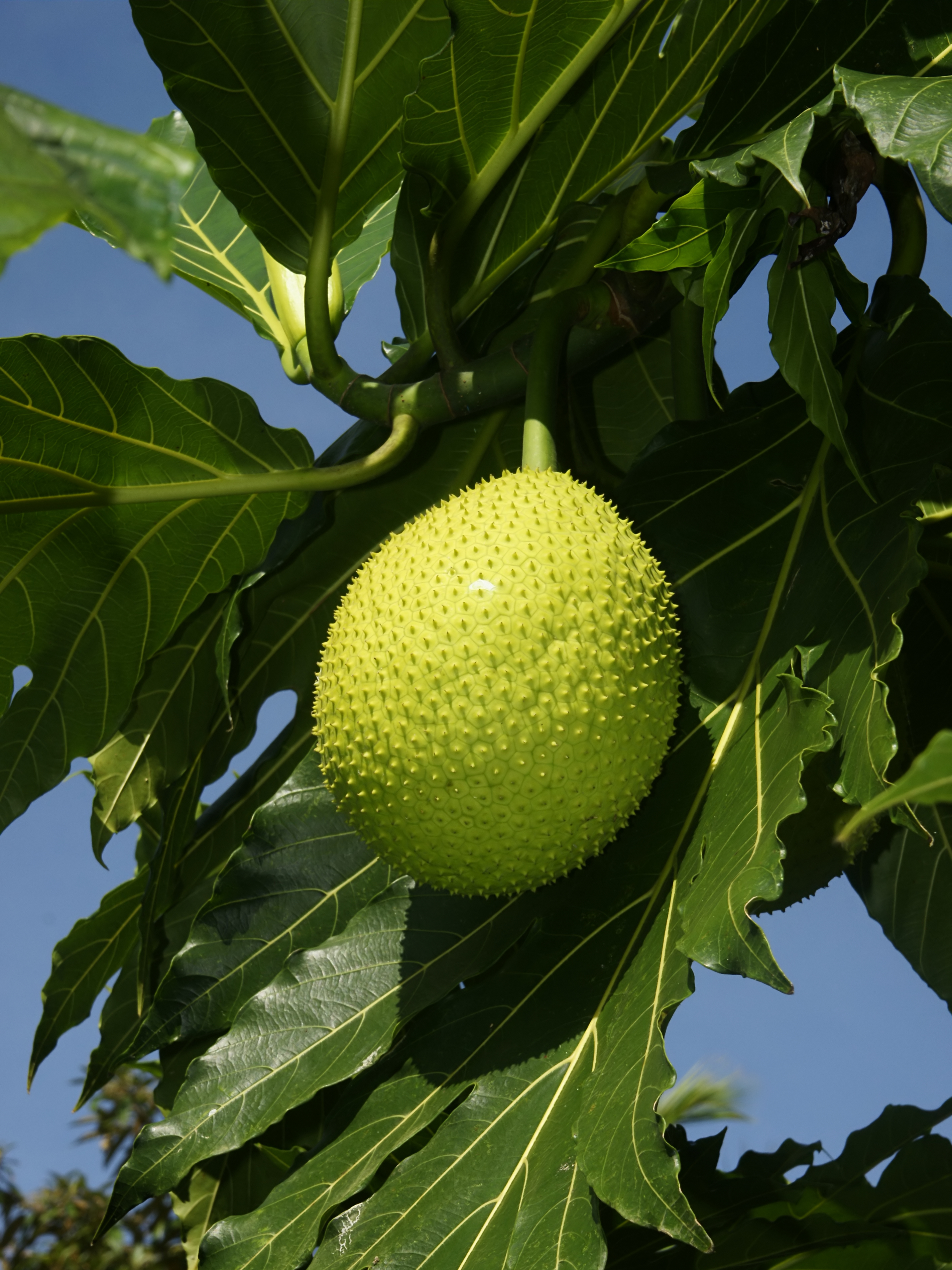
Breadfruit (Artocarpus altilis) is a species of flowering tree in the mulberry family, Moraceae, growing throughout Southeast Asia and most Pacific Ocean islands. Its name is derived from the texture of the cooked fruit, which has a potato-like flavor, similar to fresh-baked bread. Ancestors of the Polynesians found the trees growing in the northwest New Guinea area around 3,500 years ago. They gave up the rice cultivation they had brought with them from Taiwan, and raised breadfruit wherever they went in the Pacific (except Easter Island and New Zealand, which are too cold). Their ancient eastern Indonesian cousins spread the plant west and north through insular and coastal Southeast Asia. It has, in historical times, also been widely planted in tropical regions elsewhere.

The burbot (Lota lota) or bubbot is the only gadiform (cod-like) freshwater fish. Also known as mariah, the lawyer, and (misleadingly) eelpout, the burbot is closely related to the marine common ling and the cusk. It is the only member of the genus Lota.

The Brussels sprout is a cultivar in the Gemmifera group of cabbages, grown for its edible buds. The leafy green vegetables are typically 2.5–4 cm (0.98–1.6 in) in diameter and look like miniature cabbages. The Brussels sprout has long been popular in Brussels, Belgium, and may have originated there.

Cassava (also called yuca, mogo, or manioc) is a woody shrub cultivated in tropical and subtropical regions for its edible starchy tuberous root, a major source of carbohydrates. It differs from the similarly-spelled yucca, an unrelated fruit-bearing plant. Cassava, when dried to a starchy, powdery (or pearly) extract is called tapioca, while its fermented, flaky version is named garri. [Wikipedia]
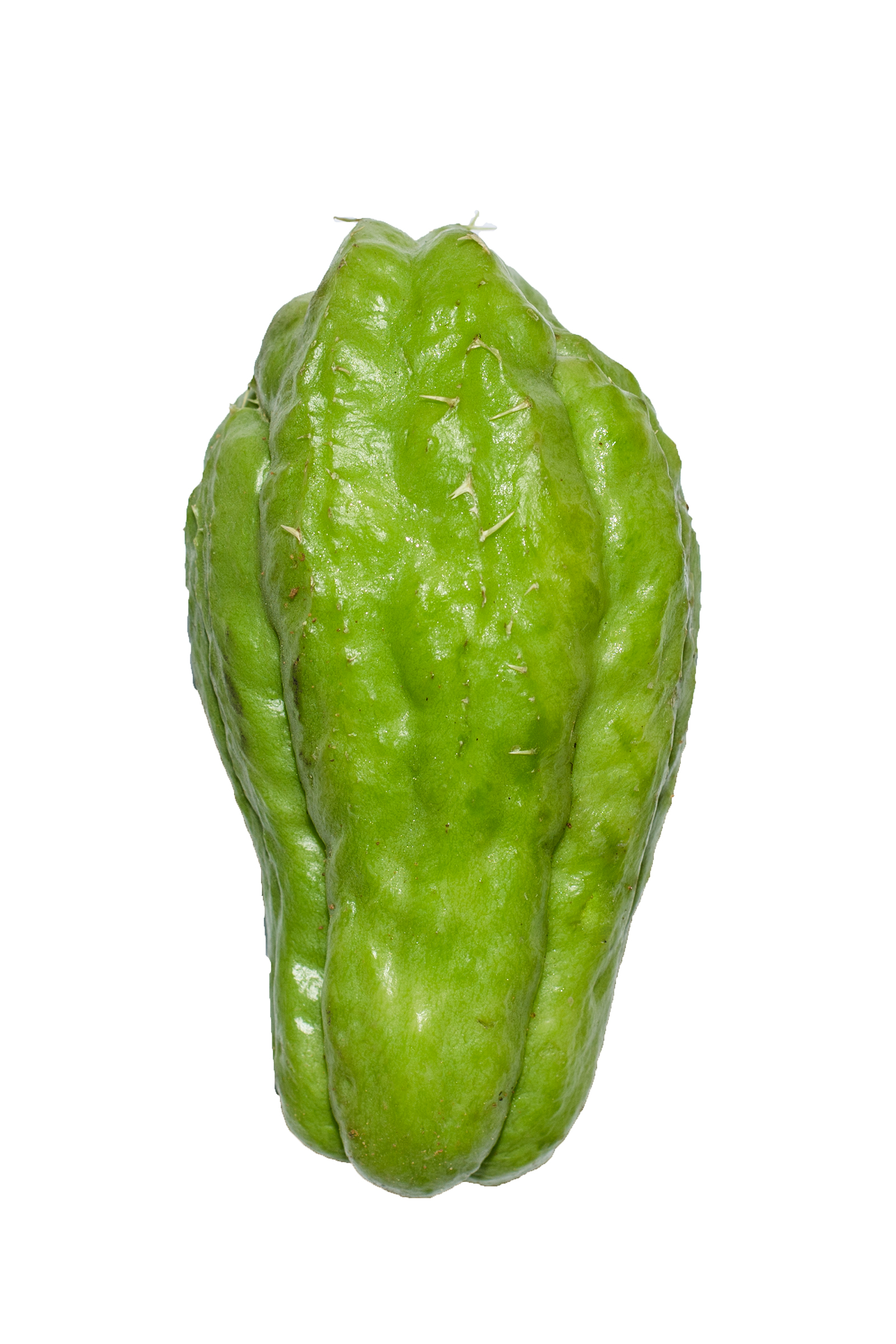
The chayote (Sechium edule), also known as christophene or christophine, cho-cho, mirliton or merleton, chuchu, centinarja, pear squash, vegetable pear, chouchoute, choko, pipinola, güisquil (El Salvador) is an edible plant belonging to the gourd family Cucurbitaceae, along with melons, cucumbers and squash. Chayote is originally native to Mexico or Central America where it grows abundantly and has little commercial value, and it has been introduced as a crop all over Latin America, and worldwide. The main growing regions are Brazil, Costa Rica and Veracruz, Mexico. Costa Rican chayotes are predominantly exported to the European Union, whereas Veracruz is the main exporter of chayotes to the United States. The word chayote is a Spanish derivative of the Nahuatl word chayohtli. Chayote was one of the many foods introduced to Europe by early explorers, who brought back a wide assortment of botanical samples. The Age of Conquest also spread the plant south from Mexico, ultimately causing it to be integrated into the cuisine of many other Latin American nations. The chayote fruit is used in mostly cooked forms. When cooked, chayote is usually handled like summer squash, it is generally lightly cooked to retain the crisp flavor. Though rare and often regarded as especially unpalatable and tough in texture, raw chayote may be added to salads or salsas, most often marinated with lemon or lime juice. Whether raw or cooked, chayote is a good source of amino acids and vitamin C. Although most people are familiar only with the fruit as being edible, the root, stem, seeds and leaves are as well. The tubers of the plant are eaten like potatoes and other root vegetables, while the shoots and leaves are often consumed in salads and stir fries, especially in Asia. Like other members of the gourd family, such as cucumbers, melons, and squash, chayote has a sprawling habit, and it should only be planted if there is plenty of room in the garden. The roots are also highly susceptible to rot, especially in containers, and the plant in general is finicky to grow. However, in Australia and New Zealand, it is an easily grown yard or garden plant, set on a chicken wire support or strung against a fence.
The cherimoya, also spelled chirimoya, is the fruit of the species Annona cherimola, which generally is thought to be native to the Andes, although an alternative hypothesis proposes Central America as the origin of cherimoya because many of its wild relatives occur in this area. Today cherimoya is grown throughout South Asia, Central America, South America, Southern California and southern Andalucia [La Axarquia].

Chervil (Anthriscus cerefolium), sometimes called garden chervil to distinguish it from similar plants also called chervil, or French parsley, is a delicate annual herb related to parsley. It is commonly used to season mild-flavoured dishes and is a constituent of the French herb mixture fines herbes.

Broccoli is an edible green plant in the cabbage family, whose large flowering head is used as a vegetable. The word broccoli comes from the Italian plural of broccolo, which means "the flowering top of a cabbage", and is the diminutive form of brocco, meaning "small nail" or "sprout". Broccoli is often boiled or steamed but may be eaten raw.

The coconut tree (Cocos nucifera), is a member of the family Arecaceae (palm family). It is the only accepted species in the genus Cocos. The term coconut can refer to the entire coconut palm, the seed, or the fruit, which, botanically, is a drupe, not a nut. The spelling cocoanut is an archaic form of the word. The term is derived from 16th-century Portuguese and Spanish coco, meaning "head" or "skull", from the three indentations on the coconut shell that resemble facial features.

The turnip or white turnip (Brassica rapa subsp. rapa) is a root vegetable commonly grown in temperate climates worldwide for its white, bulbous taproot. Small, tender varieties are grown for human consumption, while larger varieties are grown as feed for livestock.
Physalis is a genus of plants in the nightshade family (Solanaceae), native to warm temperate and subtropical regions of the world. All but one species are native to the New World, and most species occur in Mexico in particular. At least 46 species are endemic to the country. The genus is characterised by the small orange fruit similar in size, shape and structure to a small tomato, but partly or fully enclosed in a large papery husk derived from the calyx. Many Physalis species are called groundcherries. One name for Physalis peruviana is Cape gooseberry, not to be confused with the true gooseberries, which are of the genus Ribes in the family Grossulariaceae.
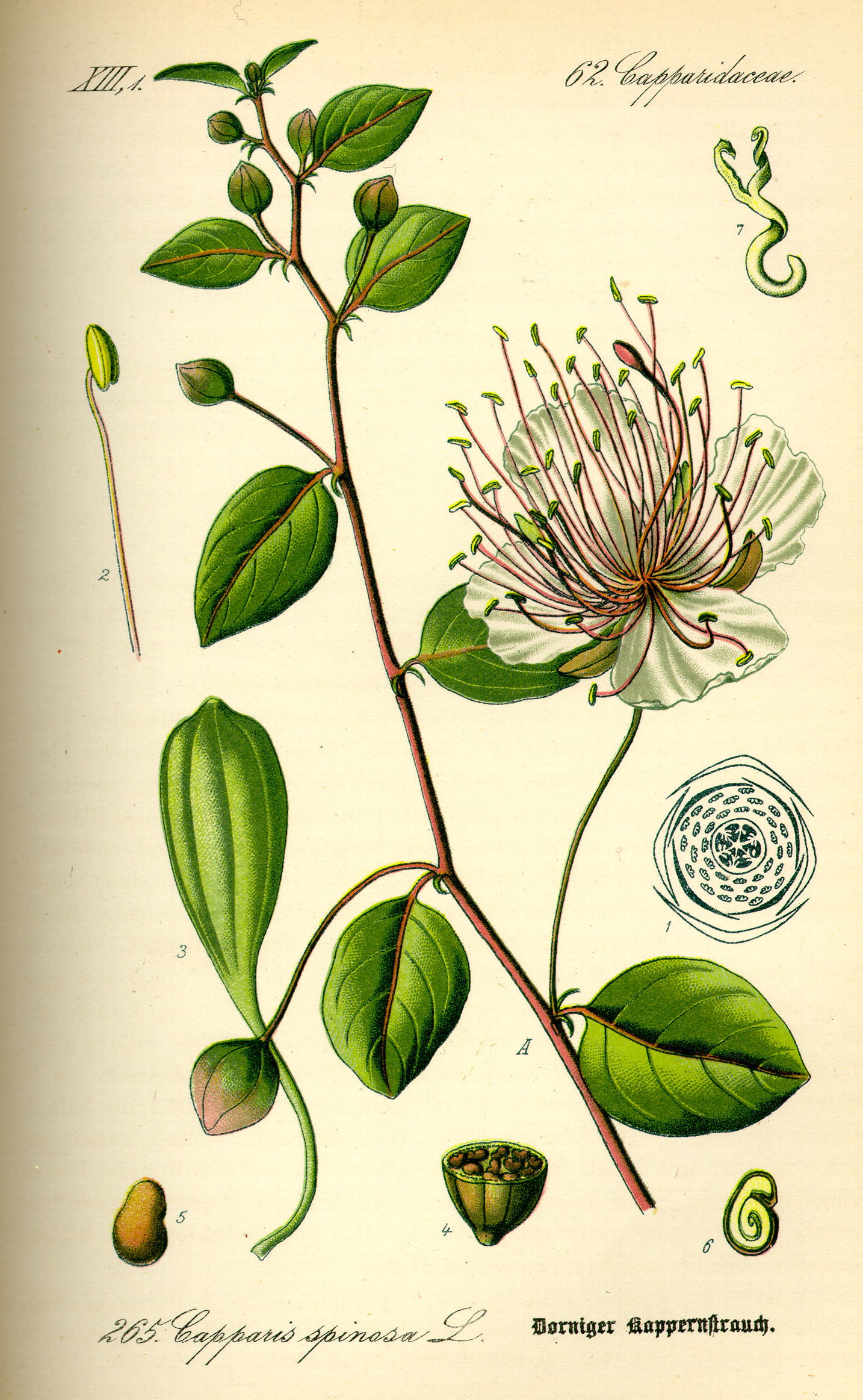
Capparis spinosa, the caper bush, also called Flinders rose, is a perennial winter-deciduous plant that bears rounded, fleshy leaves and large white to pinkish-white flowers. The plant is best known for the edible flower buds (capers), often used as a seasoning, and the fruit (caper berry), both of which are usually consumed pickled. Other species of Capparis are also picked along with C. spinosa for their buds or fruits. Other parts of Capparis plants are used in the manufacture of medicines and cosmetics.

Syzygium cumini, jambul, jambolan, jamblang, or jamun, is an evergreen tropical tree in the flowering plant family Myrtaceae. Syzygium cumini is native to Bangladesh, India, Nepal, Pakistan, Sri Lanka, Malaysia, the Philippines, and Indonesia. The name of the fruit is sometimes mistranslated as blackberry, which is a different fruit in an unrelated family.
The Jerusalem artichoke (Helianthus tuberosus), also called sunroot, sunchoke, earth apple or topinambour, is a species of sunflower native to eastern North America, and found from eastern Canada and Maine west to North Dakota, and south to northern Florida and Texas. It is also cultivated widely across the temperate zone for its tuber, which is used as a root vegetable.
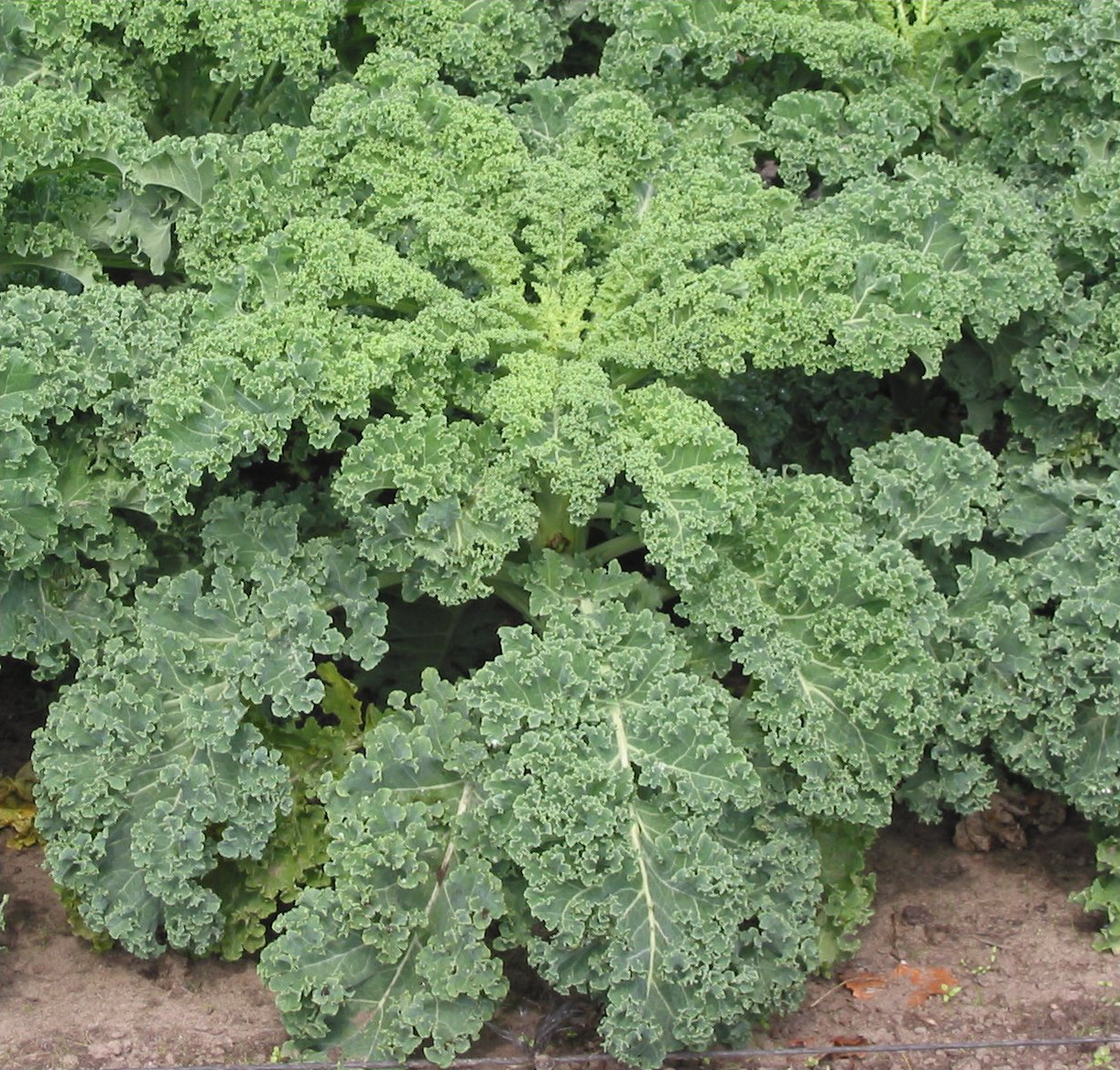
Kale or borecole is a form of cabbage, with green or purple leaves, in which the central leaves do not form a head. It is considered to be closer to wild cabbage than most domesticated forms. The species Brassica oleracea contains a wide array of vegetables, including broccoli, cauliflower, collard greens, and brussels sprouts. The cultivar group Acephala also includes spring greens and collard greens, which are extremely similar genetically.

The loganberry (Rubus × loganobaccus) is an hexaploid hybrid produced from pollination of a plant of the octaploid blackberry 'Aughinbaugh' by a diploid red raspberry (Rubus idaeus). The plant and the fruit resemble the blackberry more than the raspberry, but the fruit color is a dark red, rather than black as in blackberries. Loganberries are cultivated commercially and by gardeners.

The papaya, papaw, or pawpaw is the fruit of the plant Carica papaya, the sole species in the genus Carica of the plant family Caricaceae. It is native to the tropics of the Americas, perhaps from southern Mexico and neighbouring Central America. It was first cultivated in Mexicoseveral centuries before the emergence of the Mesoamerican classical civilizations. The papaya is a large, tree-like plant, with a single stem growing from 5 to 10 m (to ft) tall, with spirally arranged leaves confined to the top of the trunk. The lower trunk is conspicuously scarred where leaves and fruit were borne. The leaves are large, 50–70 cm in diameter, deeply palmately lobed, with seven lobes. Unusually for such large plants, the trees are dioecious. The tree is usually unbranched, unless lopped. The flowers are similar in shape to the flowers of the Plumeria, but are much smaller and wax-like. They appear on the axils of the leaves, maturing into large fruit - 15–45 cm long and 10–30 cm in diameter. The fruit is ripe when it feels soft (as soft as a ripe avocado or a bit softer) and its skin has attained an amber to orange hue. Carica papaya was the first transgenic fruit tree to have its genome deciphered.
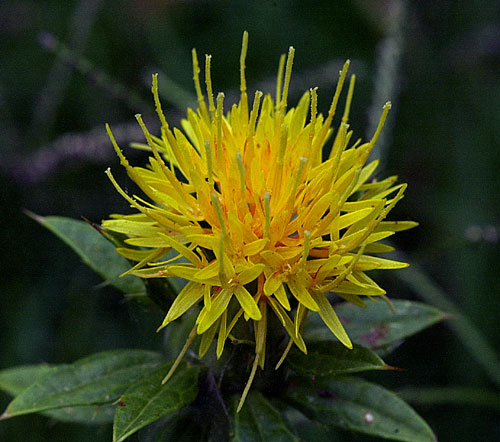
Safflower is a highly branched, herbaceous, thistle-like annual. It is commercially cultivated for vegetable oil extracted from the seeds. Plants are 30 to 150 cm (to in) tall with globular flower heads having yellow, orange, or red flowers. Each branch will usually have from one to five flower heads containing 15 to 20 seeds per head. Safflower is native to arid environments having seasonal rain. It grows a deep taproot which enables it to thrive in such environments.

The pecan (Carya illinoinensis) are the fruit of a kind of hickory tree, native to North America and Mexico. Pecans were one of the most recently domesticated major crops. Although wild pecans were well known among native and colonial Americans as a delicacy, the commercial growing of pecans in the United States did not begin until the 1880s. Today, the U.S. produces between 80% and 95% of the world's pecans, with an annual crop of 150–200 thousand tons.
Musa × paradisiaca is the accepted name for the hybrid between Musa acuminata and Musa balbisiana. Most cultivated bananas and plantains are triploid cultivars either of this hybrid or of M. acuminata. Linnaeus originally used the name M. paradisiaca only for plantains or cooking bananas, but the modern usage includes hybrid cultivars used both for cooking and as dessert bananas.
Opuntia, also known as nopales or paddle cactus, is a genus in the cactus family, Cactaceae. Currently, only prickly pears are included in this genus of about 200 species distributed throughout most of the Americas. Chollas are now separated into the genus Cylindropuntia, which some still consider a subgenus of Opuntia. Austrocylindropuntia, Corynopuntia, and Micropuntia are also often included in the present genus, but like Cylindropuntia, they seem rather distinct. Brasiliopuntia and Miqueliopuntia are closer relatives of Opuntia.
The chickpea (Cicer arietinum) is a legume of the family Fabaceae, subfamily Faboideae. Its seeds are high in protein. It is one of the earliest cultivated legumes: 7,500-year-old remains have been found in the Middle East. Other common names for the species include garbanzo bean, ceci bean, sanagalu, chana, hummus and Bengal gram.

Common chicory, Cichorium intybus, is a somewhat woody, perennial herbaceous plant usually with bright blue flowers, rarely white or pink. Many varieties are cultivated for salad leaves, chicons (blanched buds), or for roots (var. sativum), which are baked, ground, and used as a coffee substitute and additive. It is also grown as a forage crop for livestock. It lives as a wild plant on roadsides in its native Europe, and in North America and Australia, where it has become widely naturalized.
Yam is the common name for some plant species in the genus Dioscorea (family Dioscoreaceae) that form edible tubers. These are perennial herbaceous vines cultivated for the consumption of their starchy tubers in Africa, Asia, Latin America, the Caribbean and Oceania. There are many cultivars of yam. Although some varieties of sweet potato (Ipomoea batatas) are also called yam in parts of the United States and Canada, it is not part of the family Dioscoreaceae; rather it is in the morning glory family Convolvulaceae.
Watermelon (Citrullus lanatus, family Cucurbitaceae) is a vine-like (scrambler and trailer) flowering plant originally from southern Africa. Its fruit, which is also called watermelon, is a special kind referred to by botanists as a pepo, a berry which has a thick rind and fleshy center (mesocarp and endocarp). Pepos are derived from an inferior ovary, and are characteristic of the Cucurbitaceae. The watermelon fruit, loosely considered a type of melon – although not in the genus Cucumis – has a smooth exterior rind (green, yellow and sometimes white) and a juicy, sweet interior flesh (usually deep red to pink, but sometimes orange, yellow and even green if not ripe).

The Key lime (Citrus × aurantiifolia) is a citrus species with a globose fruit, 2.5-5 cm in diameter (1-2 in), that is yellow when ripe but usually picked green commercially. It is smaller and seedier, with a higher acidity, a stronger aroma, and a thinner rind, than that of the Persian lime (Citrus × latifolia). It is valued for its unique flavor compared to other limes, with the Key lime usually having a more tart and bitter flavor. The name comes from its association with the Florida Keys, where it is best known as the flavoring ingredient in Key lime pie. It is also known as West Indian lime, bartender's lime, Omani lime, or Mexican lime, the latter classified as a distinct race with a thicker skin and darker green color. Philippine varieties have various names, including dayap and bilolo.
The lemon is a small evergreen tree native to Asia, and the tree's ellipsoidal yellow fruit. The fruit is used for culinary and non-culinary purposes throughout the world, primarily for its juice, though the pulp and rind are also used in cooking and baking. The juice of the lemon is about 5% to 6% citric acid, which gives lemons a sour taste. The distinctive sour taste of lemon juice makes it a key ingredient in drinks and foods such as lemonade.
Persian lime (Citrus ×latifolia) or Shiraz Limoo also known as Tahiti lime or Bearss lime (named after John T. Bearss, who developed this seedless variety about 1895 in his nursery at Porterville, California), is a citrus fruit related to the standard lime. It has a nearly thornless tree. The Persian lime is of hybrid origin, most likely from a cross between key lime (Citrus aurantiifolia) and either lemon (Citrus ×limon) or citron (Citrus medica).
Agaricus bisporus—known variously when white as common mushroom, button mushroom, white mushroom, cultivated mushroom, table mushroom, champignon mushroom, crimini mushroom, when brown as Swiss brown mushroom, Roman brown mushroom, Italian brown, Italian mushroom, brown cap mushrooms, chestnut mushroom, and when mature as Portobello mushroom—is an edible basidiomycete mushroom native to grasslands in Europe and North America. Agaricus bisporus is cultivated in more than 70 countries and is one of the most commonly and widely consumed mushrooms in the world.

The orange (specifically, the sweet orange) is the fruit of the citrus species Citrus × sinensis in the family Rutaceae.The fruit of the Citrus sinensis is considered a sweet orange, whereas the fruit of the Citrus aurantium is considered a bitter orange. The orange is a hybrid, possibly between pomelo (Citrus maxima) and mandarin (Citrus reticulata), which has been cultivated since ancient times.
Coriander (Coriandrum sativum), also known as cilantro, Chinese parsley or dhania, is an annual herb in the family Apiaceae. Coriander is native to regions spanning from southern Europe and North Africa to southwestern Asia. It is a soft, hairless plant growing to 50 cm tall. The leaves are variable in shape, broadly lobed at the base of the plant, and slender and feathery higher on the flowering stems. The flowers are borne in small umbels, white or very pale pink, asymmetrical, with the petals pointing away from the centre of the umbel longer (5–6 mm) than those pointing towards it (only 1–3 mm long). The fruit is a globular, dry schizocarp 3–5 mm ( ) in diameter.

Saffron is a spice derived from the flower of Crocus sativus, commonly known as the saffron crocus. Crocus is a genus in the family Iridaceae. Saffron crocus grows to 20-30 cm (8-12 in) and bears up to four flowers, each with three vivid crimson stigmas, which are the distal end of a carpel. Together with the styles, or stalks that connect the stigmas to their host plant, the dried stigmas are used mainly in various cuisines as a seasoning and colouring agent. Saffron, long among the world's most costly spices by weight, is native to Greece or Southwest Asia and was first cultivated in Greece. As a genetically monomorphic clone, it was slowly propagated throughout much of Eurasia and was later brought to parts of North Africa, North America, and Oceania.
Cucurbita (Latin for gourd) is a genus in the gourd family Cucurbitaceae native to and originally cultivated in the Andes and Mesoamerica. The Cucurbita genus is an important source of human food and is used for other purposes such as beverages, medicine, oil, and detergent. Some Cucurbita species were brought to Europe after the discovery of America and are now used in many parts of the world. The plants, referred to as squash, pumpkin or gourd depending on species, variety and local parlance, are grown for their edible fruits and seeds. Real (bottle-)gourds, used as utensils or vessels, belong to the genus Lagenaria and are native to Africa. Lagenaria are in the same family and subfamily as Cucurbita, but different tribes.
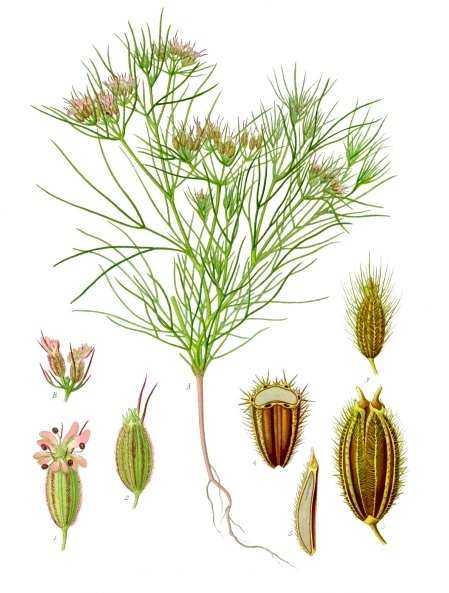
Cumin (Cuminum cyminum) is a flowering plant in the family Apiaceae as caraway, parsley, and dill., native from the east Mediterranean to India. Its seeds (each one contained within a fruit, which is dried) are used in the cuisines of many different cultures, in both whole and ground form. It also has many uses as a traditional medicinal plant. In the ancient Egyptian civilization, cumin was used as spice and as preservative in mummification. Cumin seed is used as a spice for its distinctive flavour and aroma. Cumin can be found in some cheeses, such as Leyden cheese, and in some traditional breads from France. Cumin can be an ingredient in chili powder (often Tex-Mex or Mexican-style), and is found in achiote blends, adobos, sofrito, garam masala, curry powder, and bahaarat. In South Asian cooking, it is often combined with coriander seeds in a powdered mixture called dhana jeera. Cumin's distinctive flavour is strong. It has a warm aroma due to its essential oil content. Its main constituent aroma compounds are cuminaldehyde (a promising agent against alpha-synuclein aggregation) and cuminic alcohol. Other important aroma compounds of toasted cumin are the substituted pyrazines, 2-ethoxy-3-isopropylpyrazine, 2-methoxy-3-sec-butylpyrazine, and 2-methoxy-3-methylpyrazine. Other components include γ-terpinene, safranal, p-cymene and β-pinene [Wikipedia]
Turmeric (Curcuma longa) is a rhizomatous herbaceous perennial plant of the ginger family, Zingiberaceae. It is native to tropical Tamil Nadu, in southeast India, and needs temperatures between 20 °C and 30 °C (68 °F and 86 °F) and a considerable amount of annual rainfall to thrive. Plants are gathered annually for their rhizomes, and propagated from some of those rhizomes in the following season.

The globe artichoke (Cynara cardunculus var. scolymus) is a cultivated variety of a species of thistle. It is cultivated as a food. The edible matter is buds that form within the flower heads before the flowers come into bloom. The buds go away or change to a coarse, barely edible form when the flower blooms. The uncultivated or wild variety of the species is called a cardoon. It is a perennial plant native to the Mediterranean region.

Shea tree is a tree indigenous to Africa, occurring in Mali, Cameroon, Congo, Côte d'Ivoire, Ghana, Guinea, Togo, Nigeria, Senegal, Sudan, Burkina Faso and Uganda. The shea fruit consists of a thin, tart, nutritious pulp that surrounds a relatively large, oil-rich seed from which shea butter is extracted. Throughout Africa, shea butter is used extensively for food and medicinal purposes, and is a major source of dietary fat. The fruit is edible and delicious. It tastes roughly like a fig. [Wikipedia]
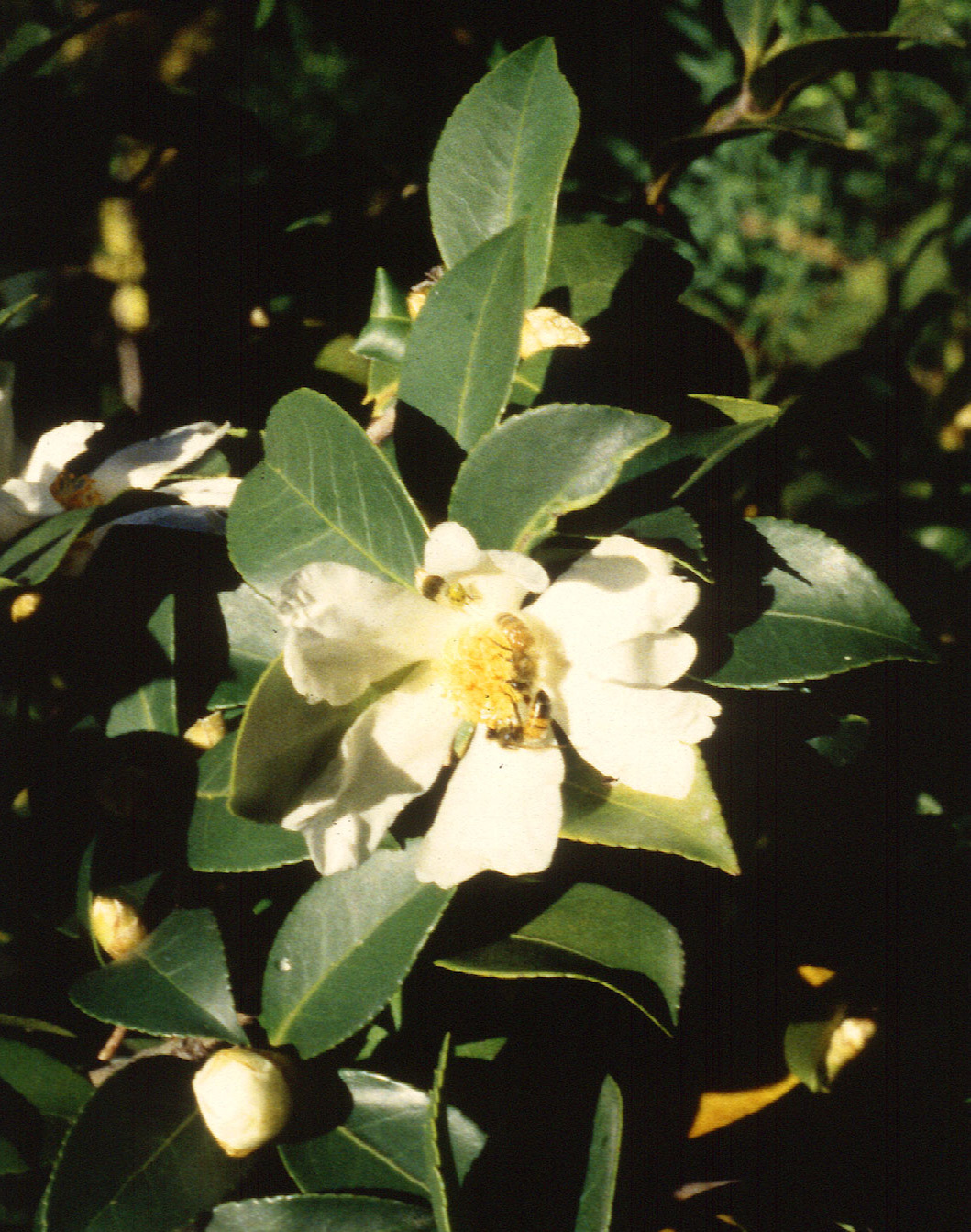
Oil-seed camellia (or tea oil camellia) is an important source of edible oil (known as tea oil or camellia oil) obtained from its seeds. Tea oil is a sweetish seasoning and cooking oil that should not be confused with tea tree oil, an essential oil that is used for medical and cosmetical purposes and originates from the leaves of a different plant. [Wikipedia]

The ucuhuba tree grows in South America. Ucuhuba seed oil is the oil extracted from its seed. [Wikipedia]
Fennel (Foeniculum vulgare) is a plant species in the genus Foeniculum (treated as the sole species in the genus by most botanists). It is a member of the family Apiaceae (formerly the Umbelliferae). It is a hardy, perennial, umbelliferous herb, with yellow flowers and feathery leaves. It is indigenous to the shores of the Mediterranean but has become widely naturalized in many parts of the world, especially on dry soils near the sea-coast and on riverbanks. It is a highly aromatic and flavorful herb with culinary and medicinal uses and, along with the similar-tasting anise, is one of the primary ingredients of absinthe. Florence fennel or finocchio is a selection with a swollen, bulb-like stem base that is used as a vegetable. Fennel is used as a food plant by the larvae of some Lepidoptera species including the mouse moth and the anise swallowtail.
Sunflower (Helianthus annuus) is an annual plant native to the Americas. It possesses a large inflorescence (flowering head), and its name is derived from the flower's shape and image, which is often used to depict the sun. The plant has a rough, hairy stem, broad, coarsely toothed, rough leaves and circular heads of flowers. The heads consist of many individual flowers which mature into seeds, often in the hundreds, on a receptacle base. From the Americas, sunflower seeds were brought to Europe in the 16th century, where, along with sunflower oil, they became a widespread cooking ingredient. Leaves of the sunflower can be used as cattle feed, while the stems contain a fibre which may be used in paper production.
Barley (Hordeum vulgare L. ), a member of the grass family, is a major cereal grain. Important uses include use as animal fodder, as a source of fermentable material for beer and certain distilled beverages, and as a component of various health foods. It is used in soups and stews, and in barley bread of various cultures. Barley grains are commonly made into malt in a traditional and ancient method of preparation. In a 2007 ranking of cereal crops in the world, barley was fourth both in terms of quantity produced (136 million tons) and in area of cultivation (566,000 km²).
Around 50 AD, lettuce leaves were often cooked and served by the Romans with an oil-and-vinegar dressing; however, smaller leaves were sometimes eaten raw. During the 81?96 AD reign of Domitian, the tradition of serving a lettuce salad before a meal began. Post-Roman Europe continued the tradition of poaching lettuce, mainly with large romaine types, as well as the method of pouring a hot oil and vinegar mixture over the leaves. Today, the majority of lettuce is grown for its leaves, although one type is grown for its stem and one for its seeds, which are made into an oil. Most lettuce is used in salads, either alone or with other greens, vegetables, meats and cheeses. Romaine lettuce is often used for Caesar salads, with a dressing that includes anchovies and eggs. Lettuce leaves can also be found in soups, sandwiches and wraps, while the stems are eaten both raw and cooked. The consumption of lettuce in China developed differently from in Western countries, due to health risks and cultural aversion to eating raw leaves. In that country, "salads" were created from cooked vegetables and served hot or cold. Lettuce was also used in a larger variety of dishes than in Western countries, contributing to a range of dishes including bean curd and meat dishes, soups and stir-frys plain or with other vegetables. Stem lettuce, widely consumed in China, is eaten either raw or cooked, the latter primarily in soups and stir-frys.
Source
Compound data linked to PubChem CID 444150, public domain via NCBI. Culinary context + ingredient mappings are maintained by Foodgeist's enrichment fleet and continuously re-matched by the pairings engine. PubChem CID 444150