PubChem CID · CC0
Sabinene
Foods containing this compound


Angelica is a genus of about 60 species of tall biennial and perennial herbs in the family Apiaceae, native to temperate and subarctic regions of the Northern Hemisphere, reaching as far north as Iceland and Lapland. They grow to 1–3 m tall, with large bipinnate leaves and large compound umbels of white or greenish-white flowers. Some species can be found in purple moor and rush pastures.
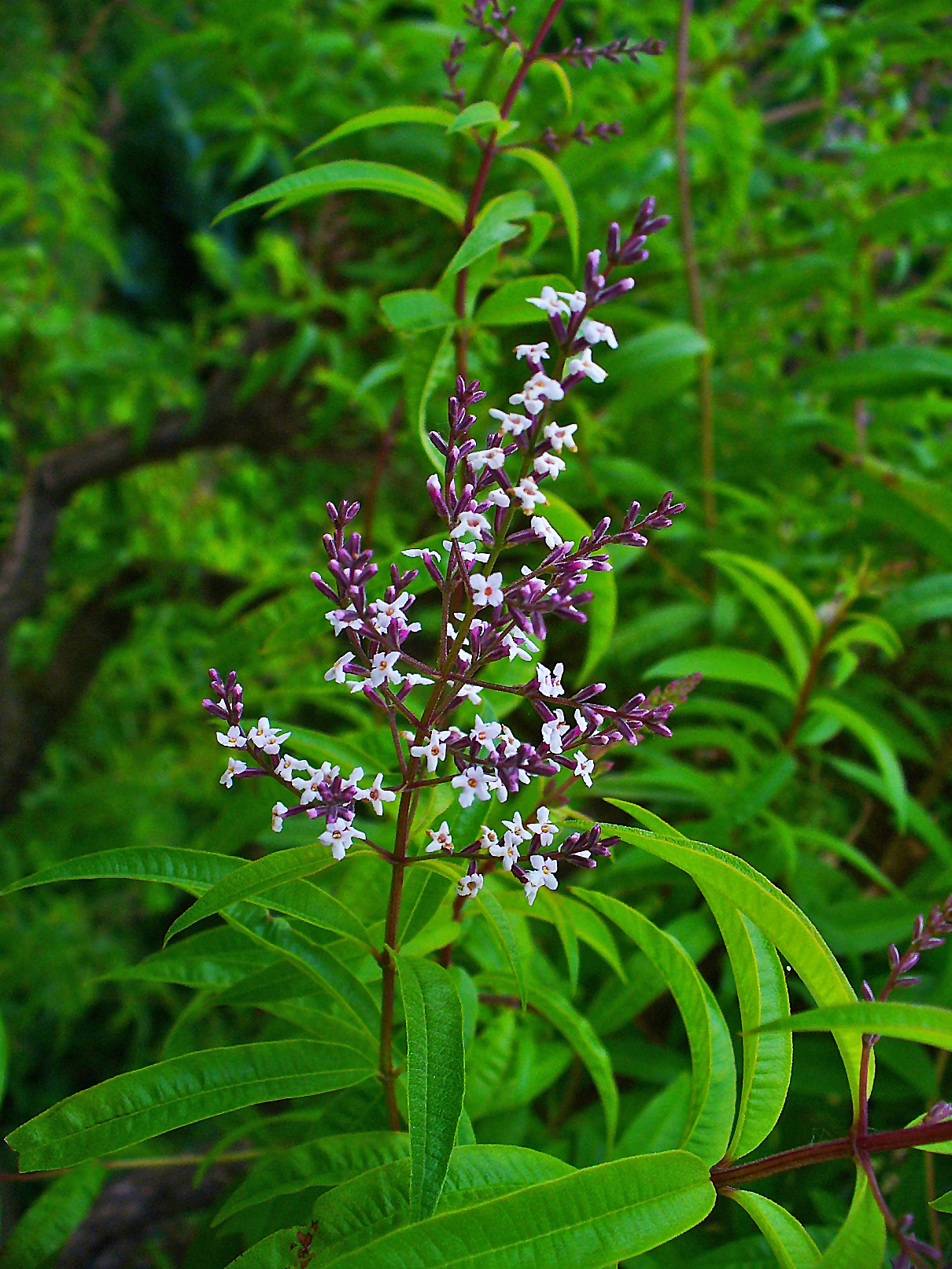
Aloysia citrodora is a species of flowering plant in the verbena family Verbenaceae, native to northwestern Argentina and southern Bolivia. Common names include lemon verbena and lemon beebrush. It was brought to Europe by the Spanish and the Portuguese in the 17th century.

Chamaemelum nobile, commonly known as chamomile (also spelled camomile), Roman chamomile, English chamomile, garden chamomile, ground apple, low chamomile, or whig plant, is a low perennial plant found in dry fields and around gardens and cultivated grounds in Europe, North America, and Argentina. C. nobile is, along with Matricaria chamomilla, an important source of the herbal product known as chamomile.
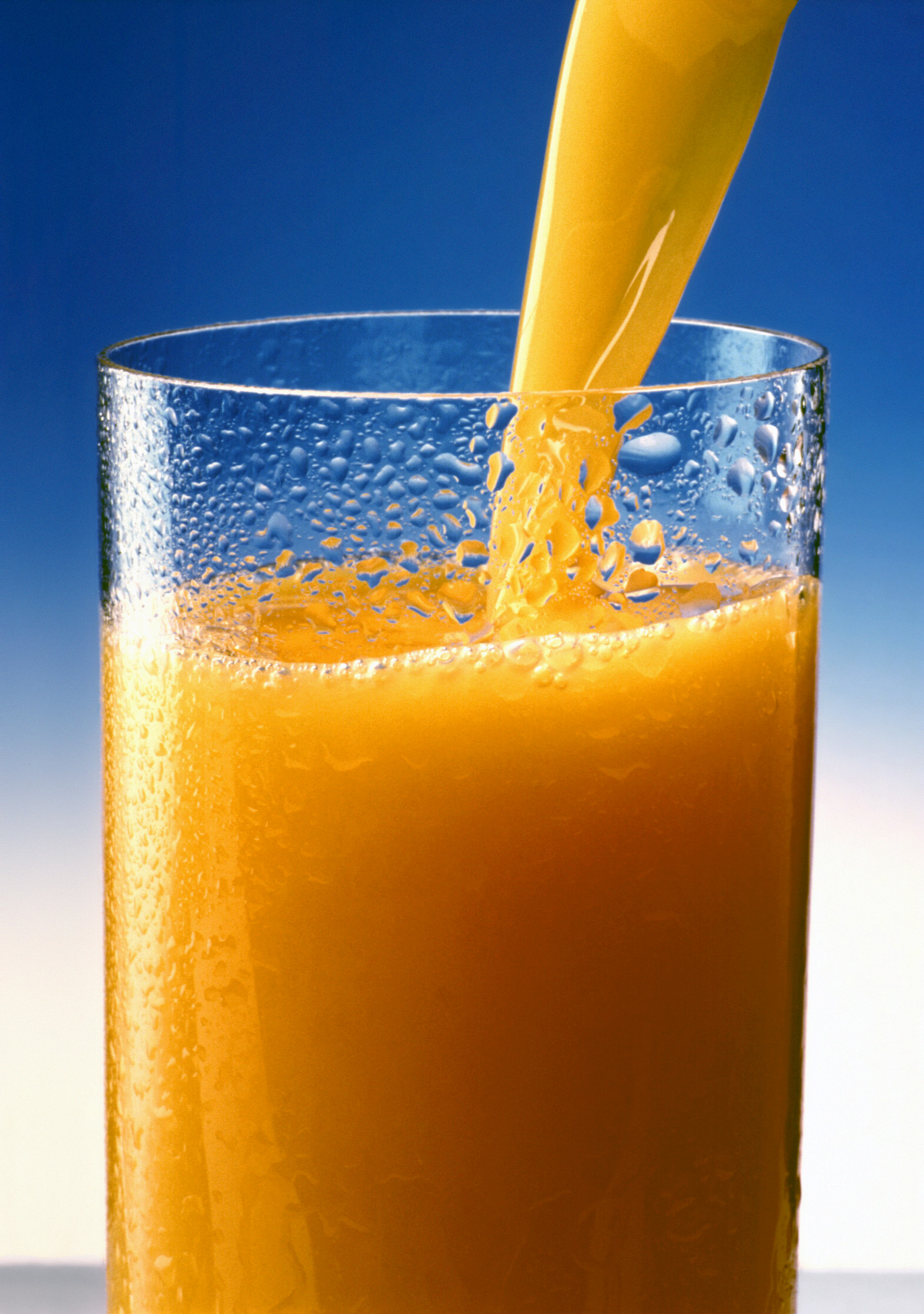
Juice is the liquid that is naturally contained in fruit or vegetable tissue. Juice is prepared by mechanically squeezing or macerating fruit or vegetable flesh without the application of heat or solvents. Many commercial juices are filtered to remove fiber or pulp, but high-pulp fresh orange juice is a popular beverage. Common methods for preservation and processing of fruit juices include canning, pasteurization, freezing, evaporation and spray drying. [Wikipedia]
Sunflower (Helianthus annuus) is an annual plant native to the Americas. It possesses a large inflorescence (flowering head), and its name is derived from the flower's shape and image, which is often used to depict the sun. The plant has a rough, hairy stem, broad, coarsely toothed, rough leaves and circular heads of flowers. The heads consist of many individual flowers which mature into seeds, often in the hundreds, on a receptacle base. From the Americas, sunflower seeds were brought to Europe in the 16th century, where, along with sunflower oil, they became a widespread cooking ingredient. Leaves of the sunflower can be used as cattle feed, while the stems contain a fibre which may be used in paper production.
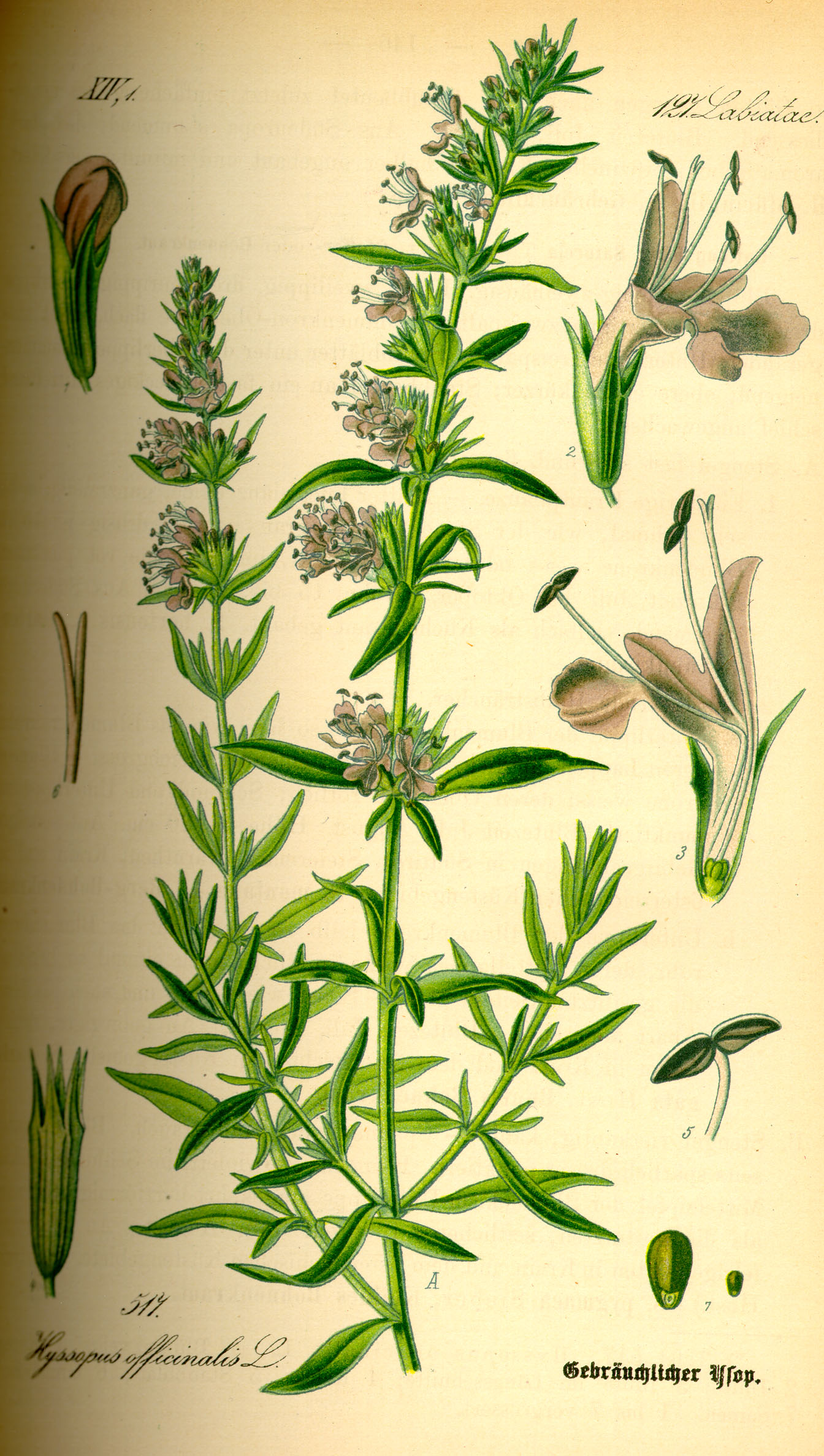
Hyssopus officinalis, hyssop is a herbaceous plant of the genus Hyssopus native to Southern Europe, the Middle East, and the region surrounding the Caspian Sea. Due to its properties as an antiseptic, cough reliever, and expectorant, it is commonly used as an aromatic herb and medicinal plant.

Illicium verum, commonly called Star anise, star aniseed, or Chinese star anise is a spice that closely resembles anise in flavor, obtained from the star-shaped pericarp of Illicium verum, a medium-sized native evergreen tree of northeast Vietnam and southwest China. The star shaped fruits are harvested just before ripening.
Laurus nobilis is an aromatic evergreen tree or large shrub with green, glossy leaves, native to the Mediterranean region. It is one of the plants used for bay leaf seasoning in cooking. It is known as bay laurel, sweet bay, bay tree (esp. United Kingdom), true laurel, Grecian laurel, laurel tree or simply laurel. Laurus nobilis figures prominently in classical Greek, Roman, and Biblical culture.
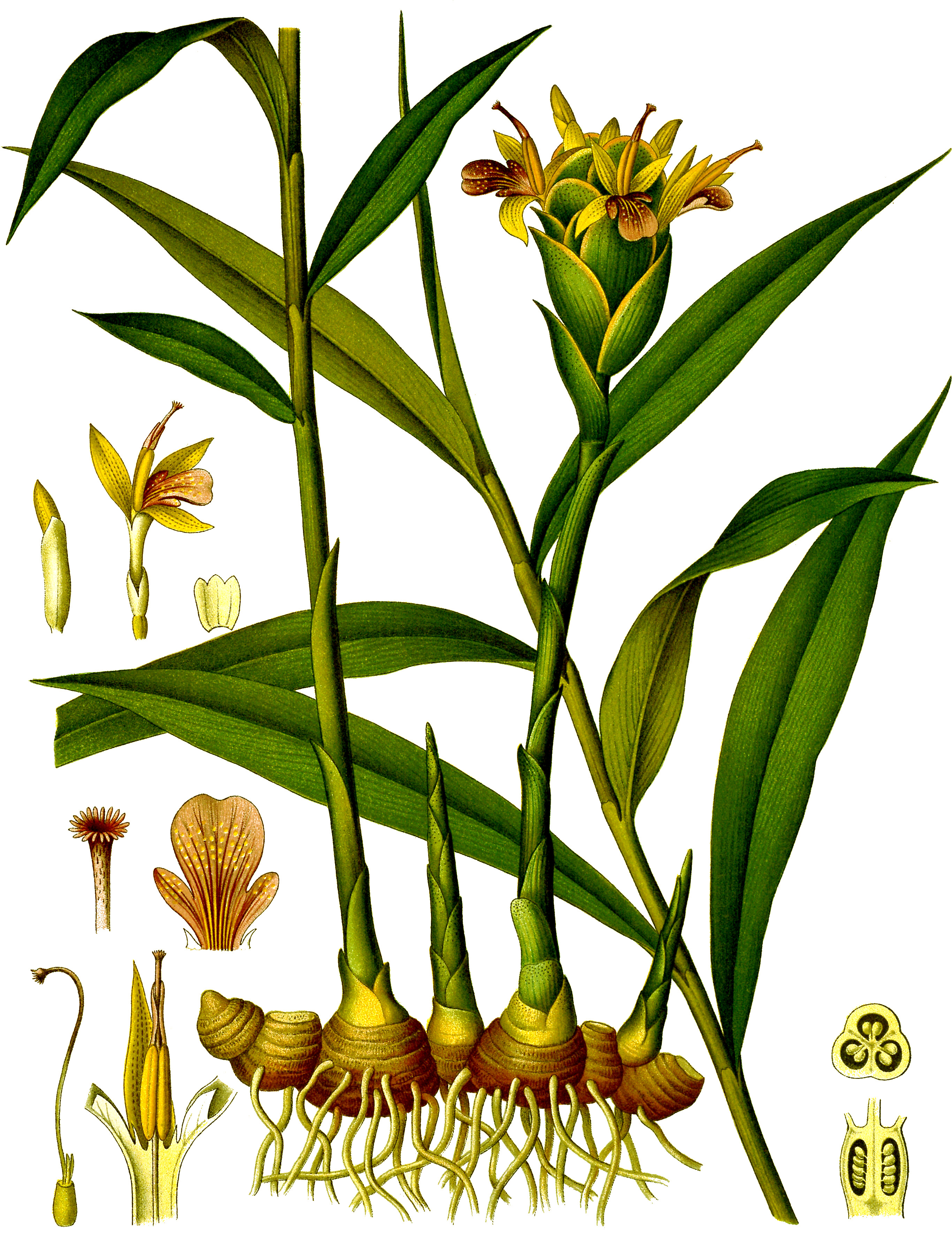
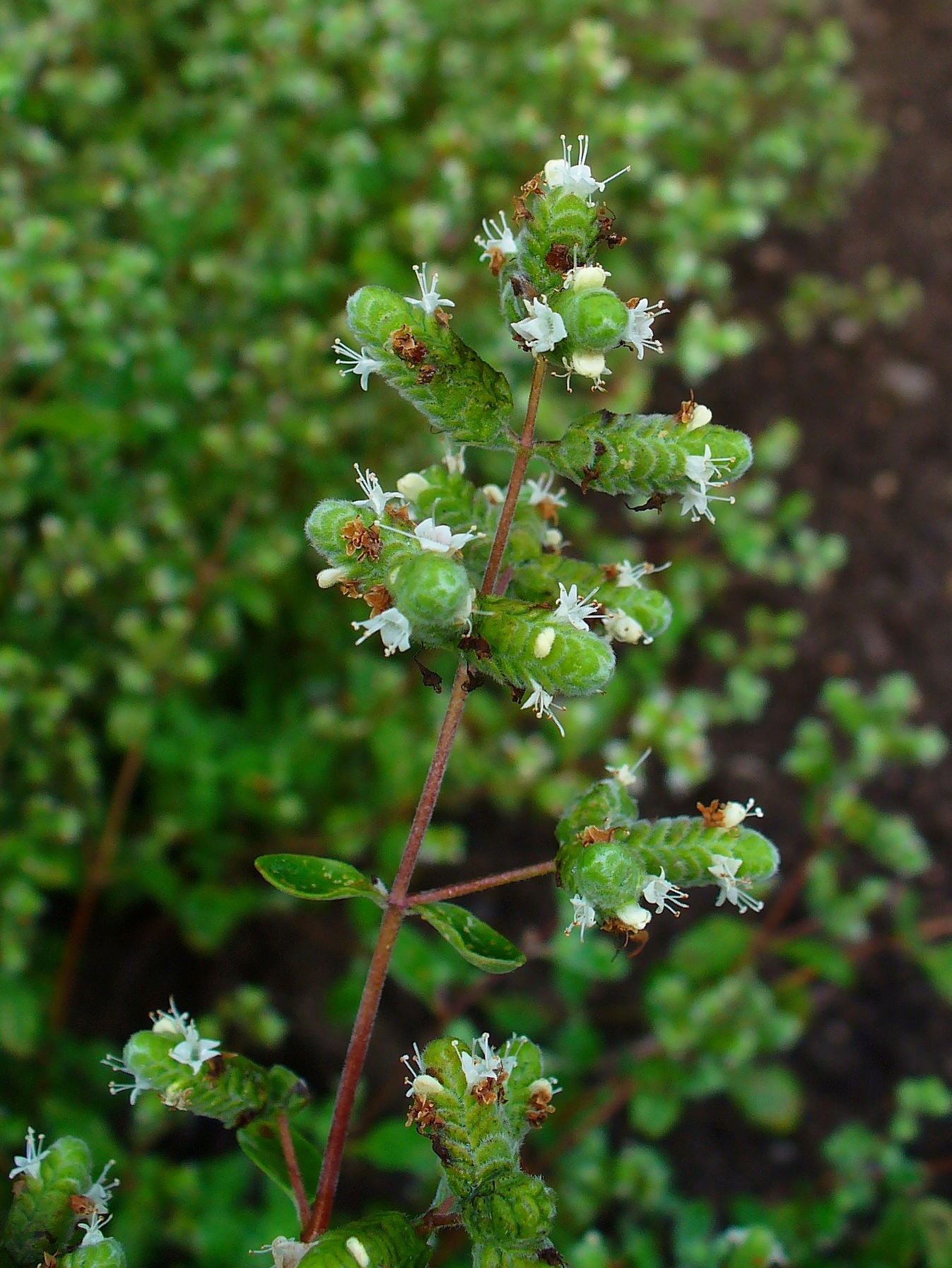
syrup made with Hyssopus officinalis and Marrubium vulgare, used to relieve illness of the lungs

cocktail
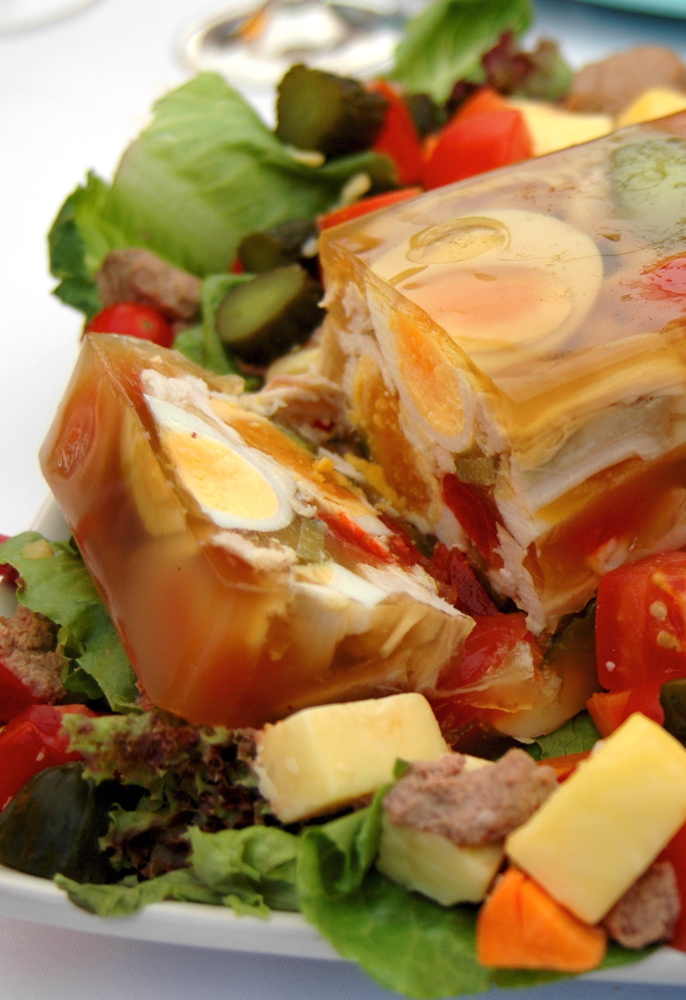
molded meat gelatin dish

spice; for the species, use Q158468

condiment, spice

berries from Piper cubeba, used as a spice, often dried
rose cultivar (1951)

Culinary herb
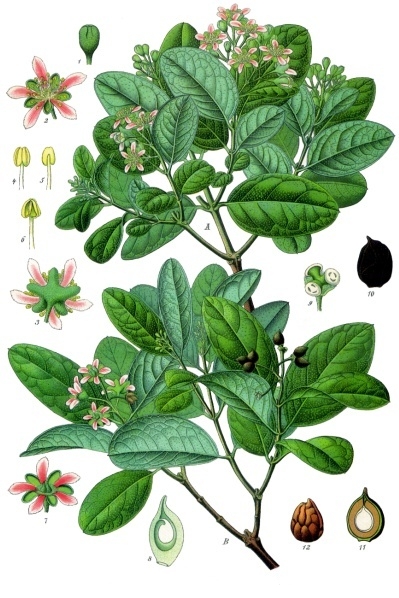
Species of plant

Hybrid flowering plant in the family Lamiaceae

Genus of flowering plants

Plant species in the mint family
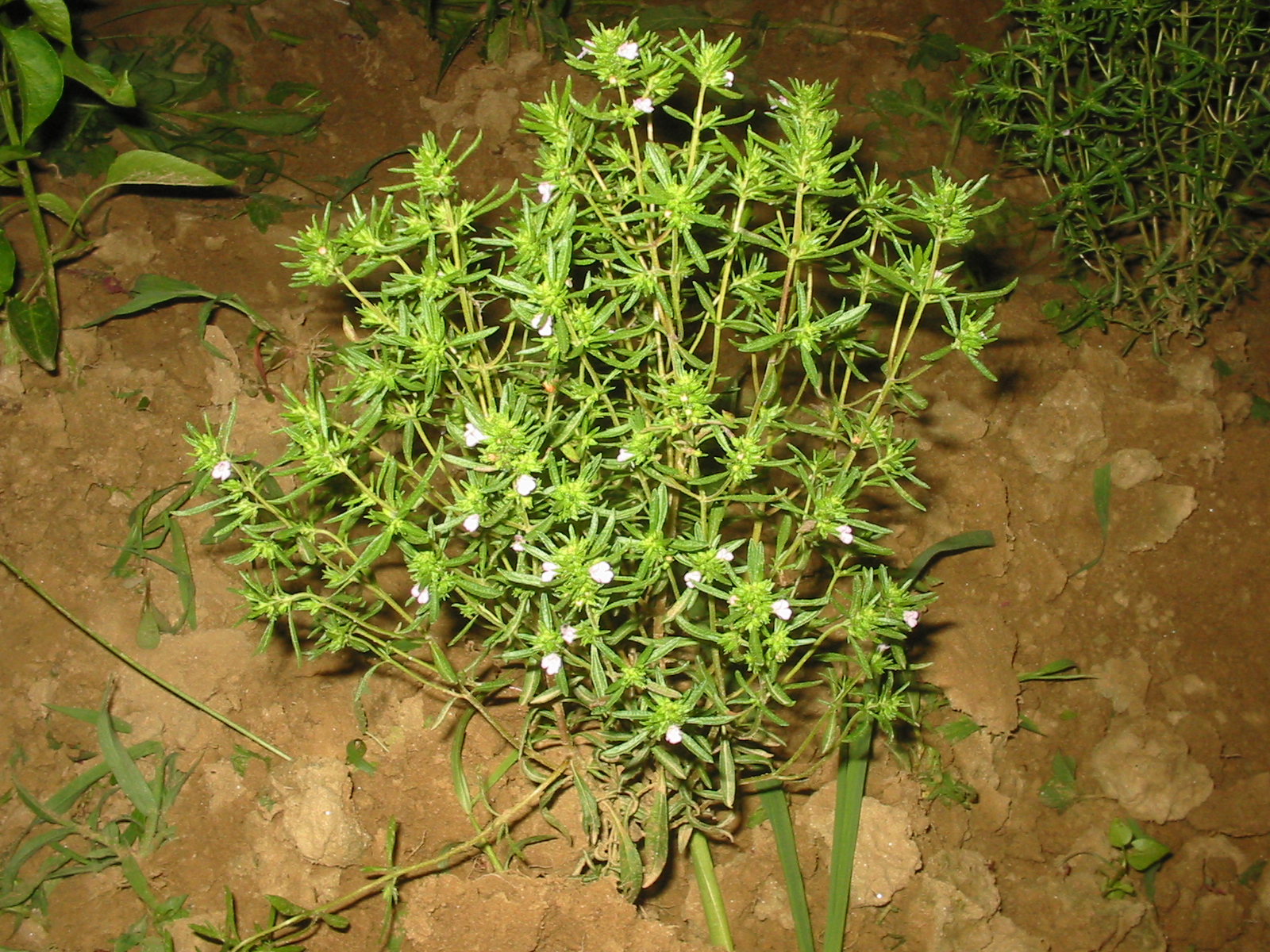
Species of flowering plant

Species of flowering plant

Flowering plant species in the carrot family
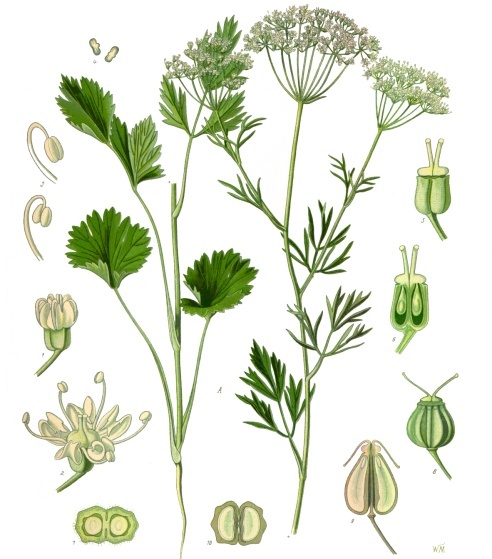
Species of flowering plant
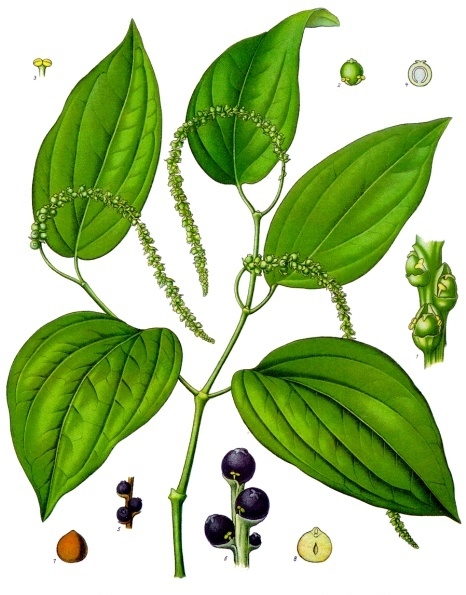
Ground fruit of the family Piperaceae

Species of edible plant

Species of tree
Source
Compound data linked to PubChem CID 131759610, public domain via NCBI. Culinary context + ingredient mappings are maintained by Foodgeist's enrichment fleet and continuously re-matched by the pairings engine. PubChem CID 131759610