PubChem CID · CC0
2-methyl-3-[(E)-3,7,11,15-tetramethylhexadec-2-enyl]naphthalene-1,4-dione
Foods containing this compound
Coregonus artedi, commonly known as the cisco, is a North American species of freshwater whitefish in the family Salmonidae. The number of species and definition of species limits in North American ciscoes is a matter of debate. Accordingly, Coregonus artedi may refer either in a narrow sense to one of the several types of cisco found e.g. in the Great Lakes, or in a broad sense to the complex of all ciscoes in continental North American lakes, Coregonus artedi sensu lato.

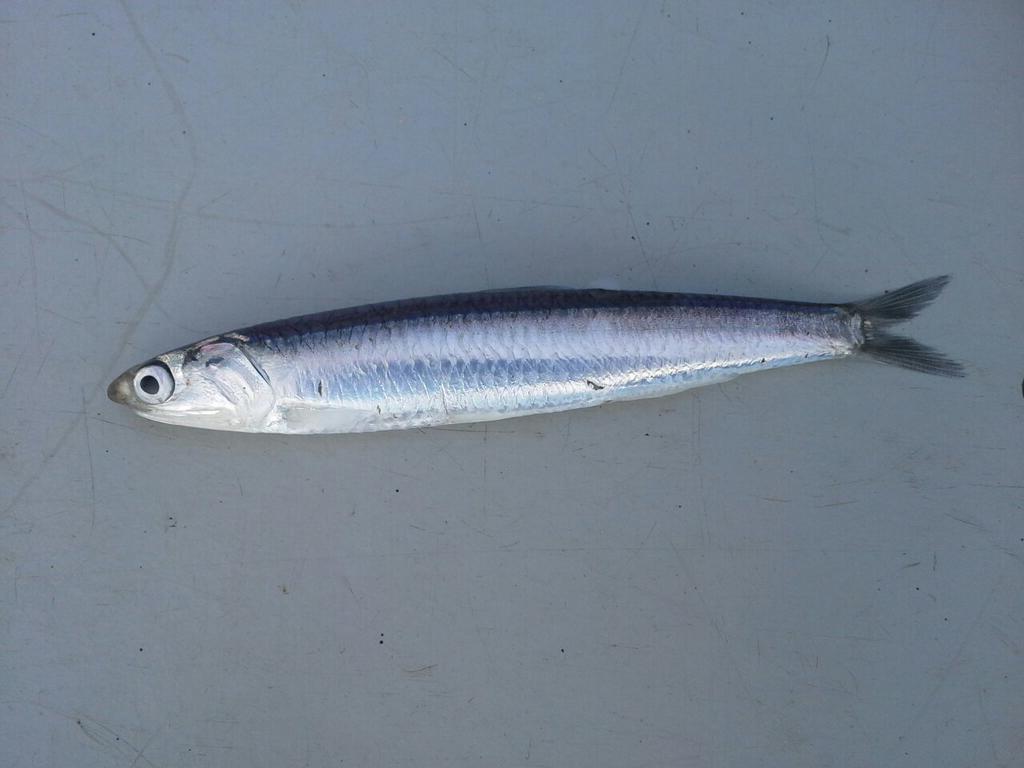
The European anchovy (Engraulis encrasicolus) is a forage fish somewhat related to the herring. Anchovies are placed in the family Engraulidae. It is easily distinguished by its deeply-cleft mouth, the angle of the gape being behind the eyes. The pointed snout extends beyond the lower jaw. The fish resembles a sprat in having a forked tail and a single dorsal fin, but the body is round and slender. The maximum length is 8 1/8 in (205 mm).
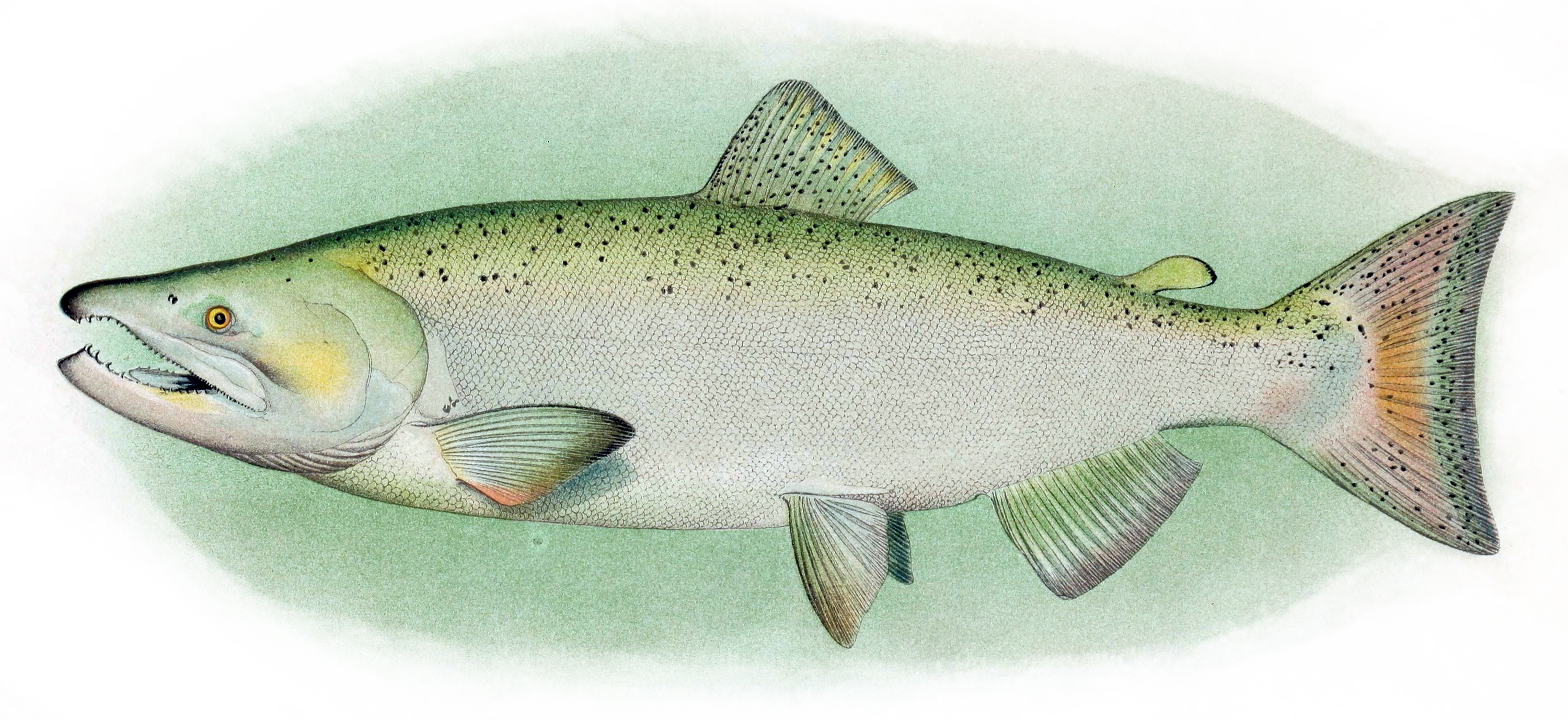
The Chinook salmon, Oncorhynchus tshawytscha, is the largest species in the Pacific (Oncorhynchus) salmon family. Other commonly used names for the species include king salmon, Quinnat salmon, spring salmon and Tyee salmon. Chinook are anadromous fish native to the north Pacific Ocean and the river systems of western North America ranging from California to Alaska. They are also native to Asian rivers ranging from northern Japan to the Palyavaam River in the Siberian far east, although only the Kamchatka Peninsula supports relatively persistent native populations. They have been introduced to other parts of the world, including New Zealand and the Great Lakes. A large Chinook is a prized and sought-after catch for a sporting angler. The flesh of the salmon is also highly valued for its dietary nutritional content, which includes high levels of important omega-3 fatty acids. Some populations are endangered, though Chinook salmon have not been assessed for the IUCN Red List.

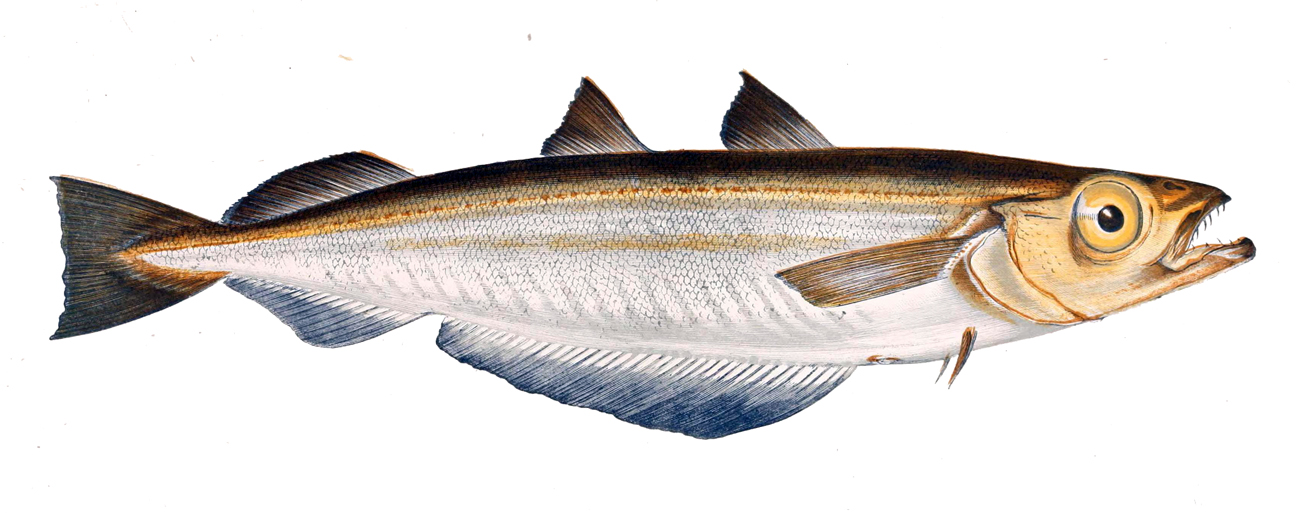
Pollock (alternatively spelled pollack) is the common name used for either of the two species of marine fish in the Pollachius ("P.") genus. Both P. pollachius and P. virens are commonly referred to as pollock. Other names for P. pollachius include the Atlantic pollock, European pollock, lieu jaune, and lythe; while P. virens is sometimes known as Boston blues (distinct from bluefish), coalfish (or coley), silver bills or saithe.
Gadus is a genus of demersal fish in the family Gadidae, commonly known as cod, although there are additional cod species in other genera. Until recently, three species in the genus were recognized. Modern taxonomy also includes a fourth one, the Alaska pollock (Gadus chalcogrammus), which is not separate from the Norway pollock. Furthermore, Greenland cod (G. ogac) is no longer considered a distinct species but rather a subspecies of Pacific cod (G. macrocephalus).

Clupeinae is a subfamily of herrings, sardines and sprats belonging to the family Clupeidae.

Perciformes, also called the Percomorphi or Acanthopteri, are the largest order of vertebrates, containing about 40% of all bony fish. Perciformes means "perch-like". They belong to the class of ray-finned fish, and comprise over 10,000 species found in almost all aquatic ecosystems.
Crayfish – also called crawfish or crawdads – are freshwater crustaceans resembling small lobsters, to which they are related; taxonomically, they are members of the superfamilies Astacoidea and Parastacoidea. They breathe through feather-like gills and are found in bodies of water that do not freeze to the bottom. They are mostly found in brooks and streams where there is fresh water running, and which have shelter against predators. Most crayfish cannot tolerate polluted water, although some species such as the invasive Procambarus clarkii are more hardy. Crayfish feed on living and dead animals and plants. In Australia, New Zealand and South Africa, the term crayfish or cray generally refers to a saltwater spiny lobster, of the genus Jasus that is indigenous to much of southern Oceania, while the freshwater species are usually called yabby, from the indigenous Australian and Maori names for the animal respectively, or by other names specific to each species. An exception is the freshwater Murray crayfish, which belongs to the family Parastacidae and is found on Australia's Murray River.
Coffee is a brewed beverage prepared from the roasted or baked seeds of several species of an evergreen shrub of the genus Coffea. The two most common sources of coffee beans are the highly regarded Coffea arabica, and the "robusta" form of the hardier Coffea canephora. The latter is resistant to the coffee leaf rust (Hemileia vastatrix), but has a more bitter taste. Coffee plants are cultivated in more than 70 countries, primarily in equatorial Latin America, Southeast Asia, and Africa. Once ripe, coffee "berries" are picked, processed and dried to yield the seeds inside. The seeds are then roasted to varying degrees, depending on the desired flavor, before being ground and brewed to create coffee.

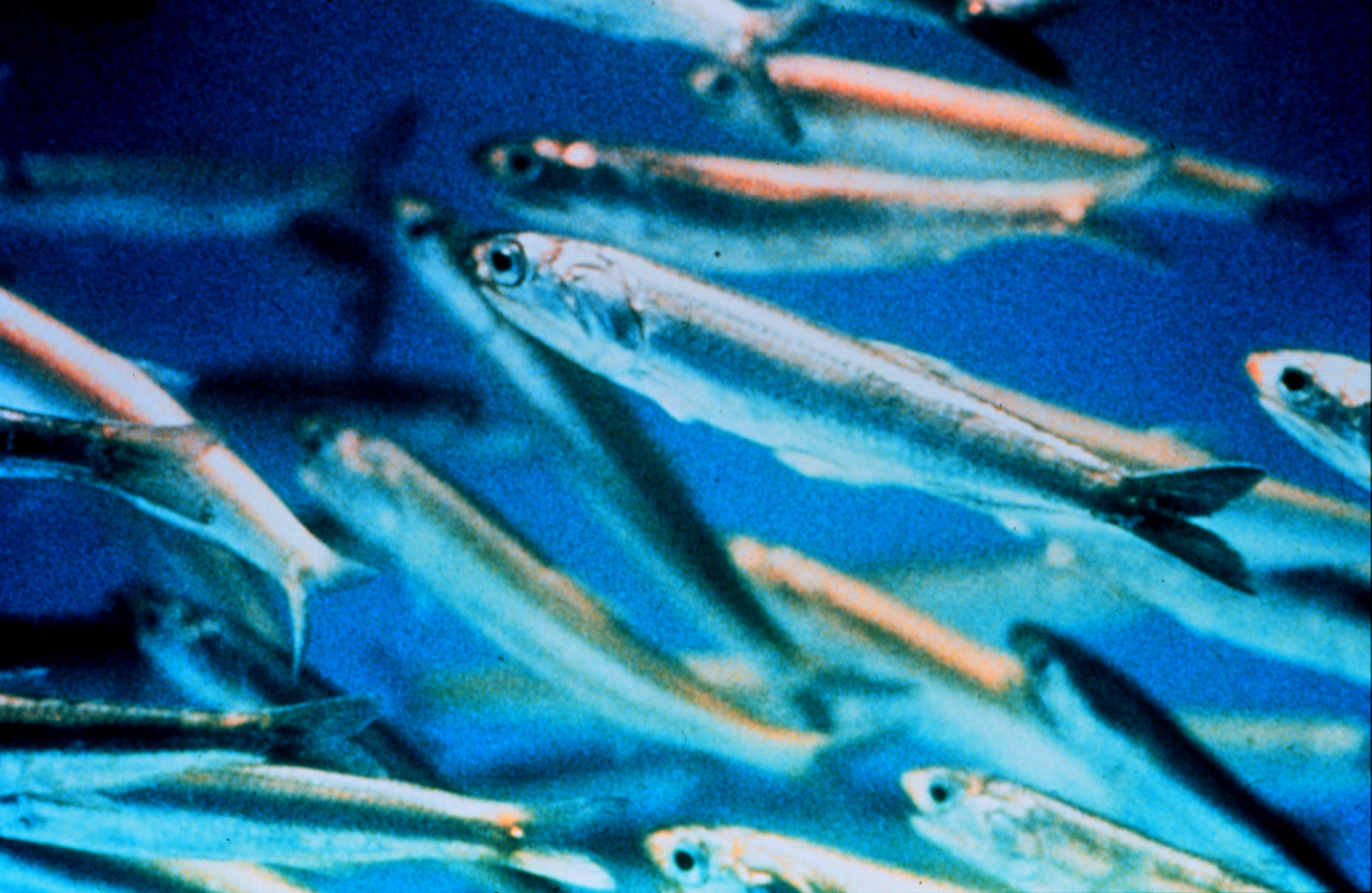
Anchovies are a family (Engraulidae) of small, common salt-water forage fish. There are 144 species in 17 genera, found in the Atlantic, Indian, and Pacific Oceans. Anchovies are usually classified as an oily fish.
The blue whiting, Micromesistius poutassou, one of the two species in the genus Micromesistius in the cod family, is common in the northeast Atlantic Ocean from Morocco to Iceland and Spitsbergen. It also occurs in the northern parts of the Mediterranean, where it may be locally abundant. Blue whiting also occur in the northwest Atlantic Ocean between Canada and Greenland, but is considered rare. It has a long, narrow body and a silvery underbody. The fish can attain a length of more than 40 cm. The average length of blue whiting caught off the west shores of the UK is 31 cm. A related species, southern blue whiting, Micromesistius australis, occurs in the Southern Hemisphere.

The common bream, freshwater bream, bream, bronze bream or carp bream, Abramis brama, is a European species of freshwater fish in the family Cyprinidae. It is now considered to be the only species in the genus Abramis.

A corn chip is a snack food made from cornmeal fried in oil or baked, usually in the shape of a small noodle or scoop. Corn chips are thick, rigid and very crunchy. Corn chips have the strong aroma and flavor of roasted corn, and are often heavily dusted with salt. While American-style corn chips and tortilla chips are both made from corn, the corn in tortilla chips is subjected to the nixtamalization process, resulting in a milder flavor and aroma, and a less rigid texture. Tortilla chips also tend to be larger, thinner, and less salty than American-style corn chips. [Wikipedia]
Tapioca is a starch extracted from Manihot esculenta. In India, the term 'Tapioca' is used to represent the root of the plant (Cassava), rather than the starch. In Vietnam, it is called bot nang. In Indonesia, it is called singkong. In the Philippines, it is called sago. Tapioca is a staple food in some regions and is used worldwide as a thickening agent, mainly in foods. In Britain, the word tapioca often refers to a milk pudding thickened with arrowroot, while in Asia the sap of the sago palm is often part of its preparation. Tapioca is gluten-free, and almost completely protein-free. [Wikipedia]
Butterfat or milkfat is the fatty portion of milk. Milk and cream are often sold according to the amount of butterfat they contain. [Wikipedia] See also "dairyforall.com":http://www.dairyforall.com/butteroil.php

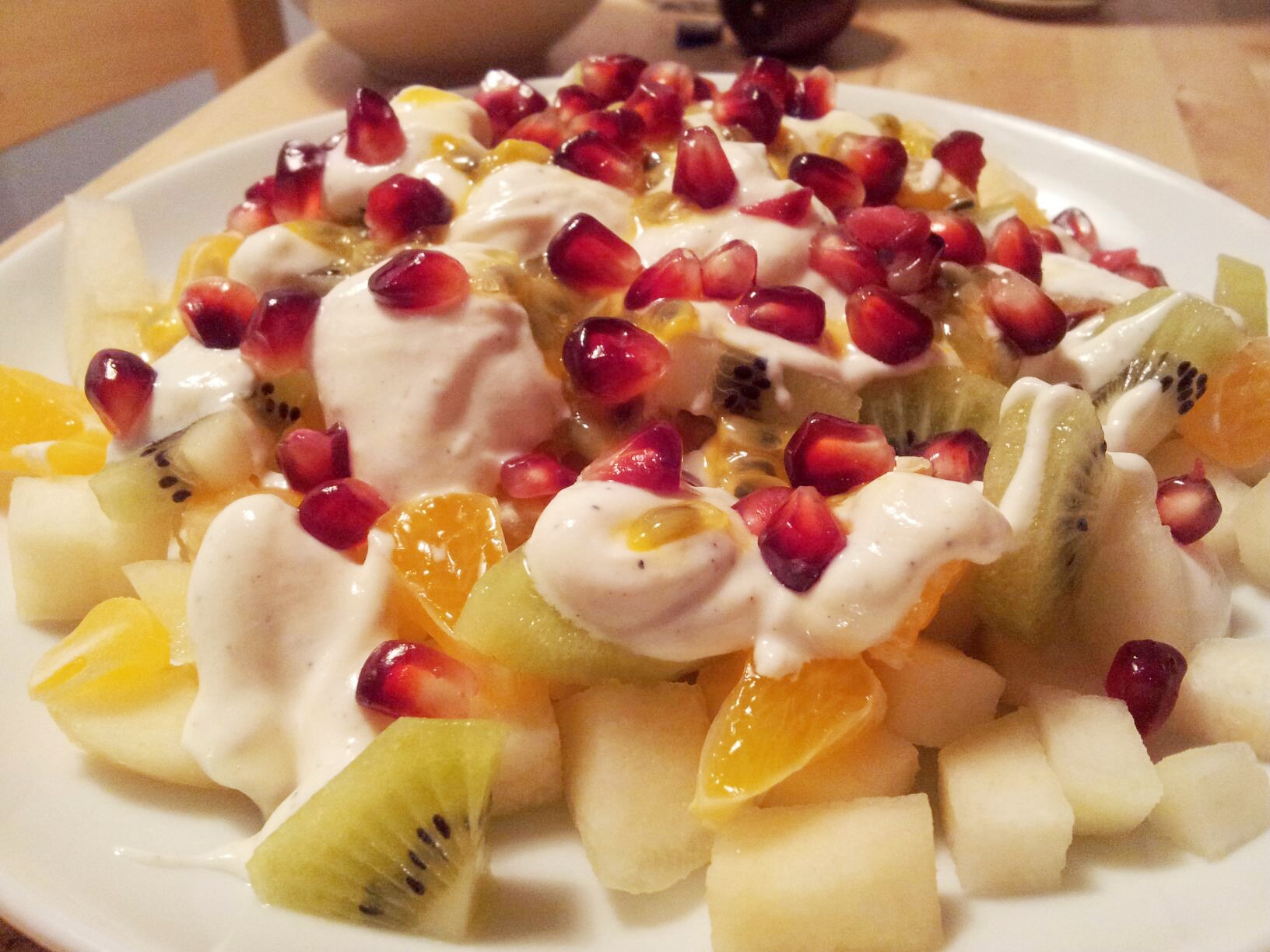
Fruit salad (also called Macedonia) is a dish consisting of various kinds of fruit, served in a liquid, either in their own juices or a syrup. When served as an appetizer or as a dessert, a fruit salad is sometimes known as a fruit cocktail or fruit cup. [Wikipedia]

An ice cream cone, poke or cornet is a dry, cone-shaped pastry, usually made of a wafer similar in texture to a waffle, allowing ice cream to be eaten without a bowl or spoon. Various types of ice-cream cones include waffle cones, cake cones (or wafer cones), pretzel cones, and sugar cones. [Wikipedia]
A cracker is a baked good typically made from grain flour dough and usually manufactured in large quantities. Crackers (equivalent to savory biscuits in the UK) are usually flat, crisp, small in size and are made in various shapes, though are commonly round or square. Flavorings or seasonings, such as salt, herbs, seeds, and/or cheese, may be added to the dough or sprinkled on top before baking. Crackers are eaten on their own, or can accompany other food items, such as cheese or meat slices, or dips. [Wikipedia]
A rice cake may be any kind of food item made from rice that has been shaped, condensed, or otherwise combined into a single object. A wide variety of rice cakes exist in many different cultures in which rice is eaten, and are particularly prevalent in Asia. Common variations include cakes make with rice flour, those made from ground rice, and those made from whole grains of rice compressed together or combined with some other binding substance. [Wikipedia]
Focaccia is a flat oven-baked Italian bread, which may be topped with herbs or other ingredients. It is related to pizza, but not considered to be the same. Focaccia is popular in Italy and is usually seasoned with olive oil and salt, and sometimes herbs, and may be topped with onion, cheese and meat, or flavored with a number of vegetables. [Wikipedia]
A soft drink (also called a soda, pop, coke, soda pop, fizzy drink, tonic, or carbonated beverage) is a non-alcoholic beverage that typically contains water (often, but not always carbonated water), a sweetener, and a flavoring agent. The sweetener may be sugar, high-fructose corn syrup, or a sugar substitute (in the case of diet drinks). A soft drink may also contain caffeine, fruit juice, or both. Widely sold soft drink flavors are cola, lemon-lime, root beer, orange, grape, vanilla, ginger ale, fruit punch, and sparkling lemonade. Soft drinks may be served chilled or at room temperature. They are rarely heated. [Wikipedia]

An arepa is a dish made of ground corn dough or cooked flour, popular in Colombia, Venezuela and other Spanish-speaking countries. It is similar in shape to the Salvadoran pupusa. Arepas can also be found in Panama, Puerto Rico and the Canary Islands. [Wikipedia]
In cooking, stuffing or filling (specifically for poultry) is an edible substance or mixture, often a starch, used to fill a cavity in another food item. Many foods may be stuffed, including meats, vegetables, egg, and fruits. Turkey stuffing usually consists of bread crumbs or cubes, dried bread, with onion, celery, salt, pepper, and other spices and herbs such as summer savoury, sage, or a mixture like poultry seasoning. [Wikipedia]

Plant species in pea family
Source
Compound data linked to PubChem CID 5280483, public domain via NCBI. Culinary context + ingredient mappings are maintained by Foodgeist's enrichment fleet and continuously re-matched by the pairings engine. PubChem CID 5280483