PubChem CID · CC0
isobutyric acid
Odor profile
Multi-model odor estimate · confidence shown
Foods containing this compound


Peppermint (Mentha × piperita, also known as M. balsamea Willd.) is a hybrid mint, a cross between watermint and spearmint. The plant, indigenous to Europe, is now widespread in cultivation throughout all regions of the world. It is found wild occasionally with its parent species. Fresh or dried peppermint leaves are often used alone or with other herbs in herbal teas (tisanes, infusions). Peppermint is used for flavouring ice cream, confectionery, chewing gum, and toothpaste, and can also be found in some shampoos, soaps and skin care products. Menthol activates cold-sensitive TRPM8 receptors in the skin and mucosal tissues, and is the primary source of the cooling sensation that follows the topical application of peppermint oil. Peppermint has a high menthol content. The oil also contains menthone and carboxyl esters, particularly menthyl acetate. Dried peppermint typically has 0.3–0.4% of volatile oil containing menthol (7–48%), menthone (20–46%), menthyl acetate (3–10%), menthofuran (1–17%) and 1,8-cineol (3–6%). Peppermint oil also contains small amounts of many additional compounds including limonene, pulegone, caryophyllene and pinene. Peppermint also contains terpenoids and flavonoids [Wikipedia]
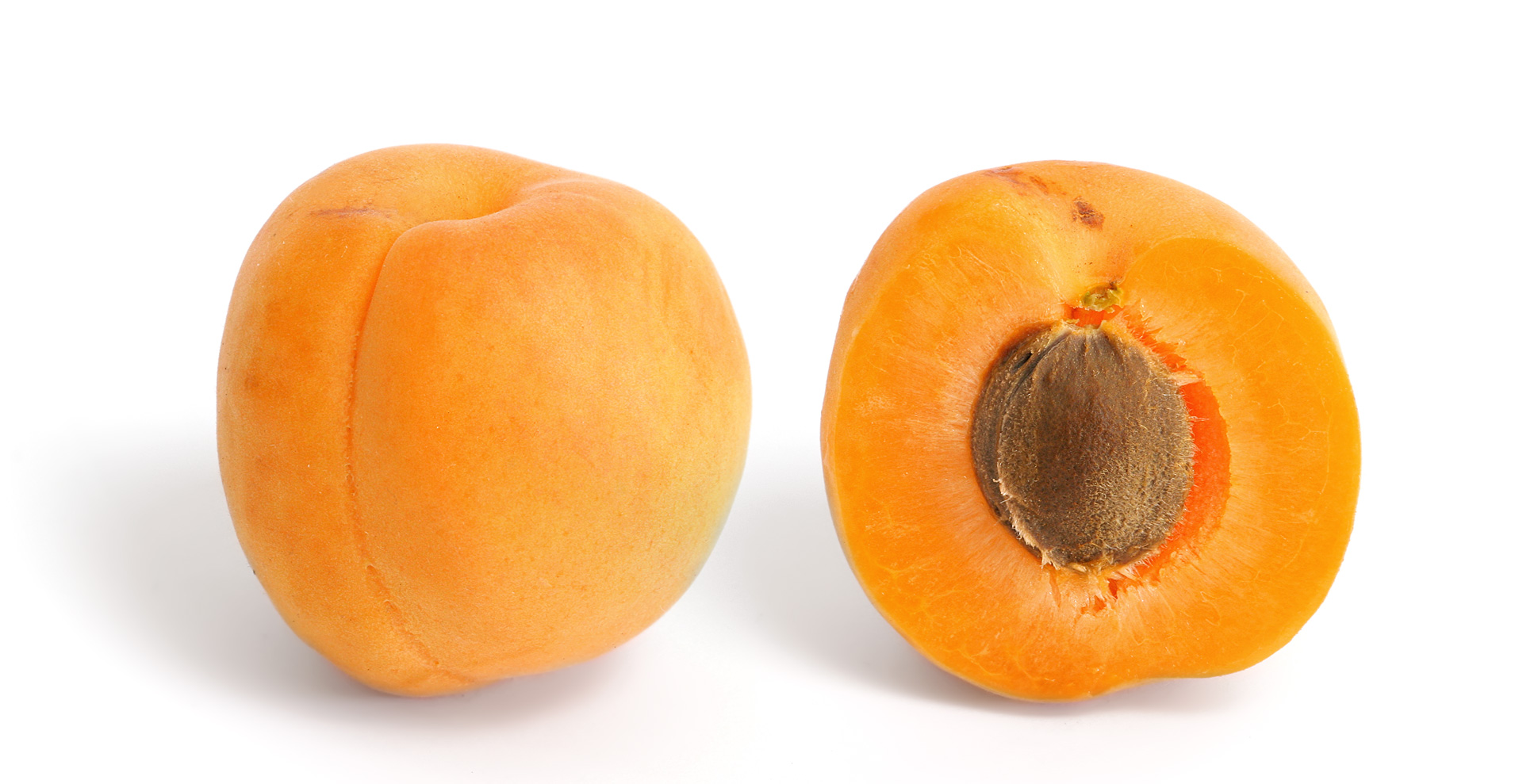
An apricot is a fruit or the tree that bears the fruit. Usually, an apricot tree is from the tree species Prunus armeniaca, but the species Prunus brigantina, Prunus mandshurica, Prunus mume, and Prunus sibirica are closely related, have similar fruit, and are also called apricots.
Wild celery is a common name for several plants Wild celery may refer to Wild growing forms of celery, Apium graveolens Angelica archangelica, cultivated as a vegetable and medicinal plant Lovage, Levisticum officinale, sometimes known as wild celery Vallisneria americana, an aquatic plant in the Hydrocharitaceae family

Arctium lappa, commonly called greater burdock, gob?,edible burdock, lappa, or beggar's buttons, is a biennial plant of the Arctium (burdock) genus in the Asteraceae family, cultivated in gardens for its root used as a vegetable. It is an invasive weed of high-nitrogen soils.


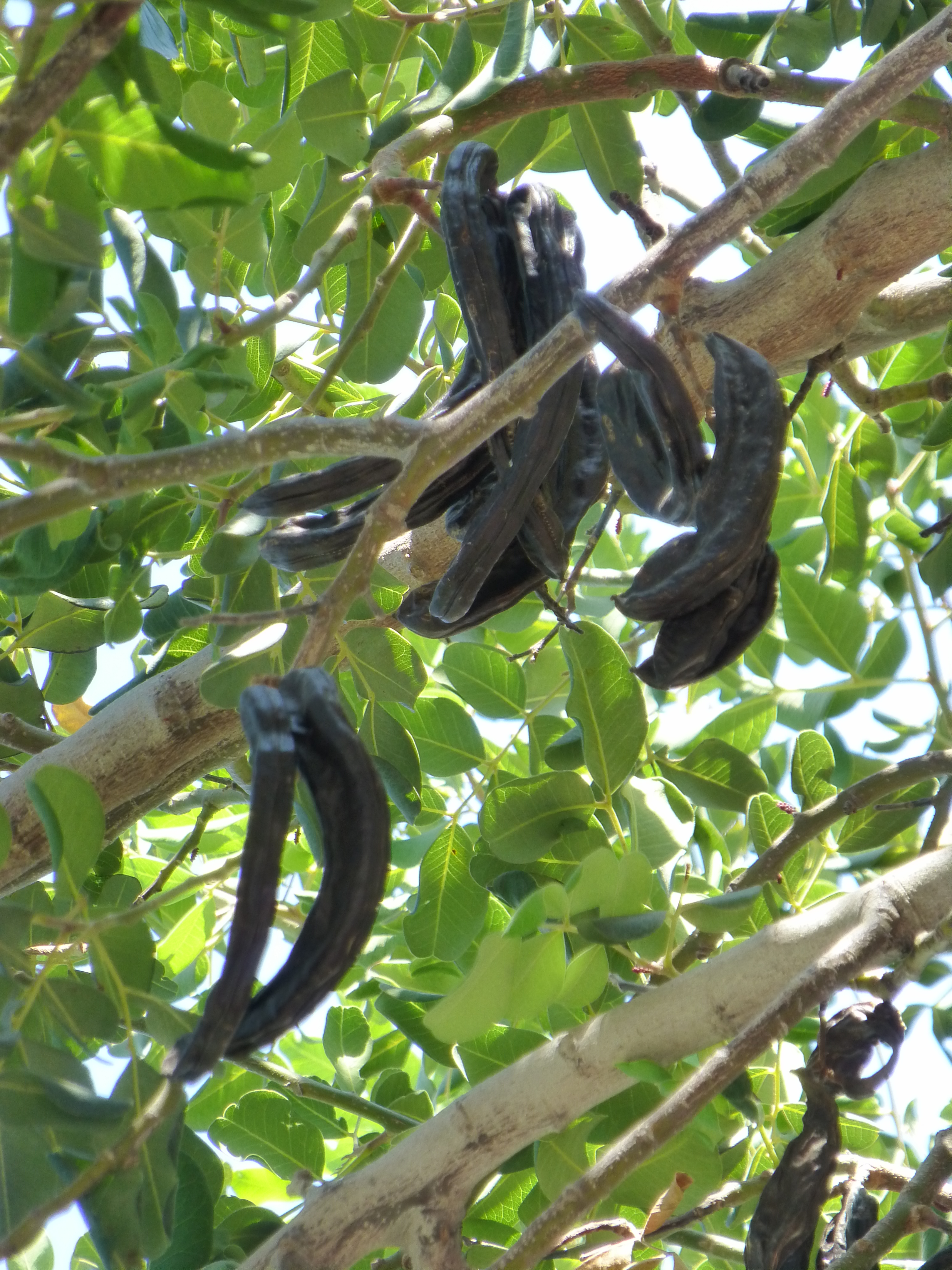
Ceratonia siliqua, commonly known as the carob tree and St John's-bread, is a species of flowering evergreen shrub or tree in the pea family, Fabaceae. It is widely cultivated for its edible pods, and as an ornamental tree in gardens. The ripe, dried pod is often ground to carob powder which is used as a substitute for cocoa powder.
<i>Capsicum annuum</i> is a domesticated species of the plant genus <i>Capsicum</i> native to southern North America and northern South America. The three species <i>C. annuum</i>, <i>C. frutescens</i> and <i>C. chinense</i> all evolved from a single common ancestor located somewhere in the northwest Brazil - Colombia area. <i>Capsicum annuum</i> is the most common and extensively cultivated of the five domesticated capsicums. The species is a source of popular "sweet peppers":http://en.wikipedia.org/wiki/Bell_peppers and "hot chilis":http://en.wikipedia.org/wiki/Chili_pepper with numerous varieties cultivated all around the world. In American English the plant is commonly known as a chili pepper or bell pepper. In British English, the sweet varieties are called red or green peppers and the hot varieties chillies, whereas in Australian and Indian English the name capsicum is commonly used for bell peppers exclusively and chilli is often used to encompass the hotter varieties. [Wikipedia] See a "list of capsicum cultivars":http://en.wikipedia.org/wiki/List_of_Capsicum_cultivars.
Capsicum frutescens is a species of chili pepper that is sometimes considered to be part of the species Capsicum annuum. Pepper cultivars in Capsicum frutescens can be annual or short-lived perennial plants. Flowers are white with a greenish white or greenish yellow corolla, and are either insect- or self-pollinated. The plants' berries typically grow erect; ellipsoid-conical to lanceoloid shaped. They are usually very small and pungent, growing 10?20mm long and 3?7mm in diameter. Fruit typically grows a pale yellow and matures to a bright red, but can also be other colors. C. frutescens has a smaller variety of shapes compared to other Capsicum species, likely because of the lack of human selection. More recently, however, C. frutescens has been bred to produce ornamental strains, because of its large quantities of erect peppers growing in colorful ripening patterns.

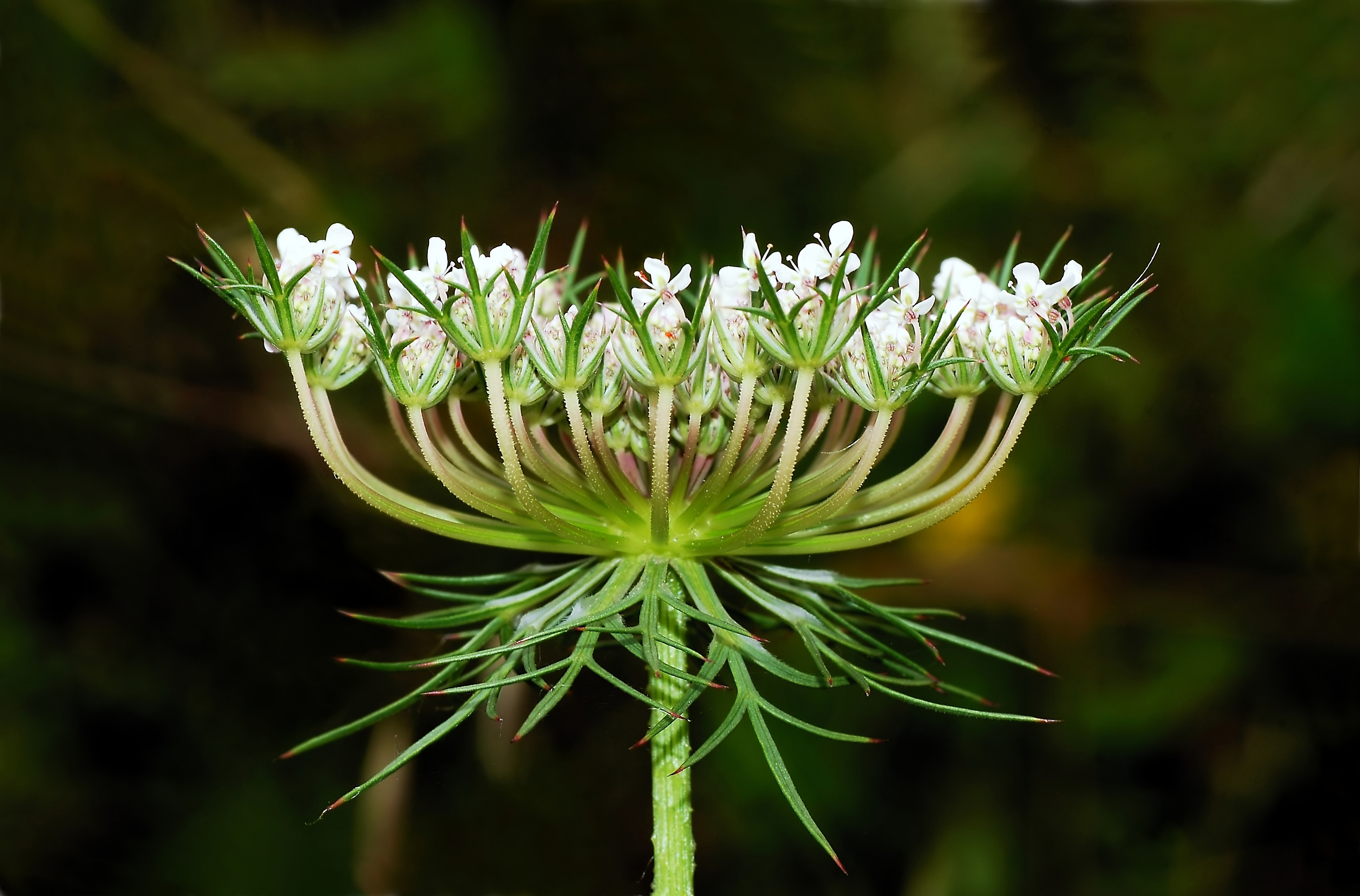
<i>Daucus carota</i>, whose common names include wild carrot, bird's nest, bishop's lace, and Queen Anne's lace (North America), is a flowering plant in the family <i>Apiaceae</i>, native to temperate regions of Europe, southwest Asia and naturalized to North America and Australia. Domesticated carrots are cultivars of a subspecies, <i>Daucus carota</i> subsp. <i>sativus</i>.
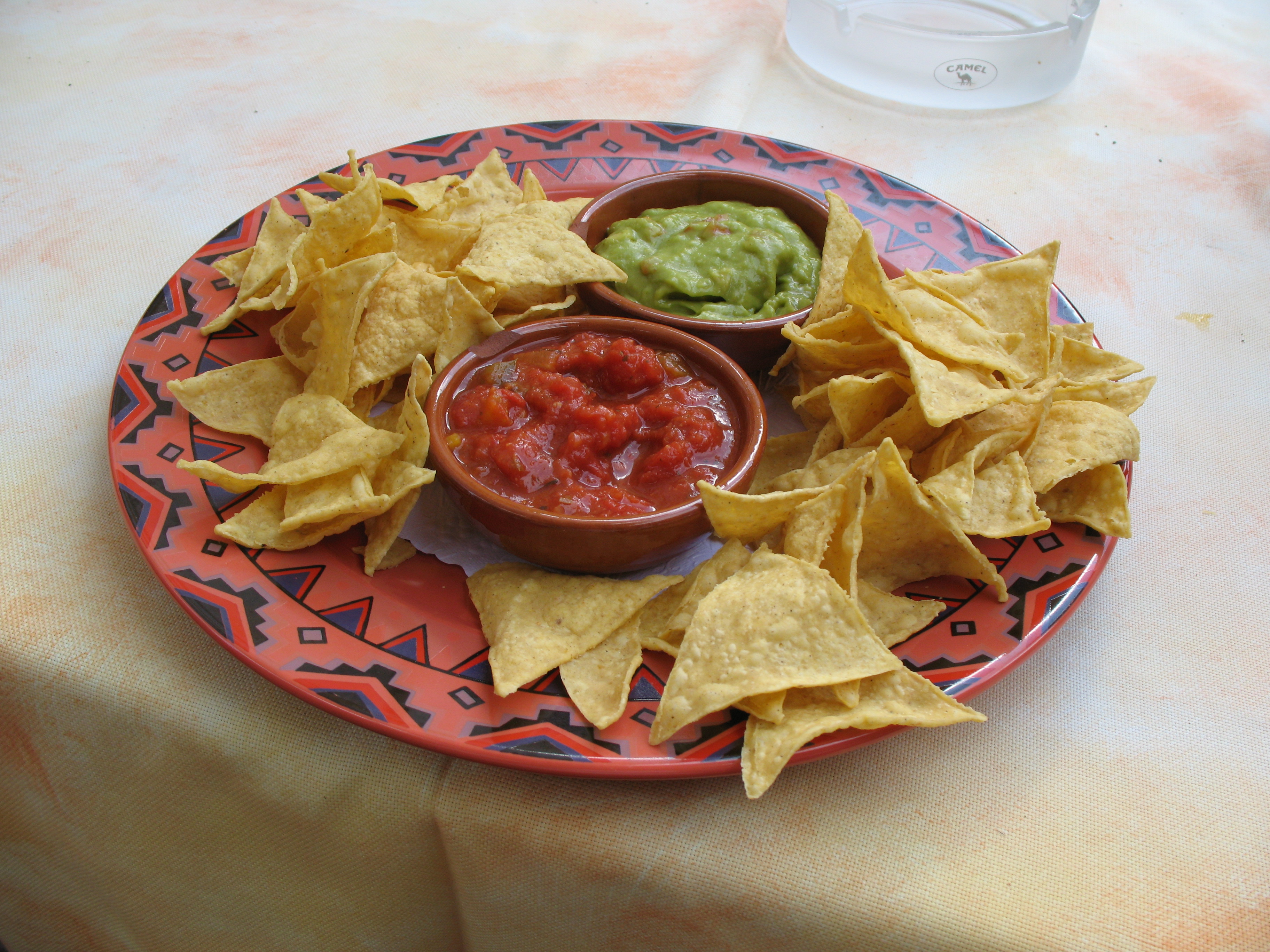
A tortilla chip is a snack food made from corn tortillas, which are cut into wedges and then fried (alternatively they may be discs pressed out of corn masa then fried or baked). Corn tortillas are made of corn, vegetable oil, salt and water. Though usually made of yellow corn, they can also be made of white, blue, or red corn. Some manufacturers include many other ingredients including wheat and sugar and MSG (monosodium glutamate, a common food additive). [Wikipedia]

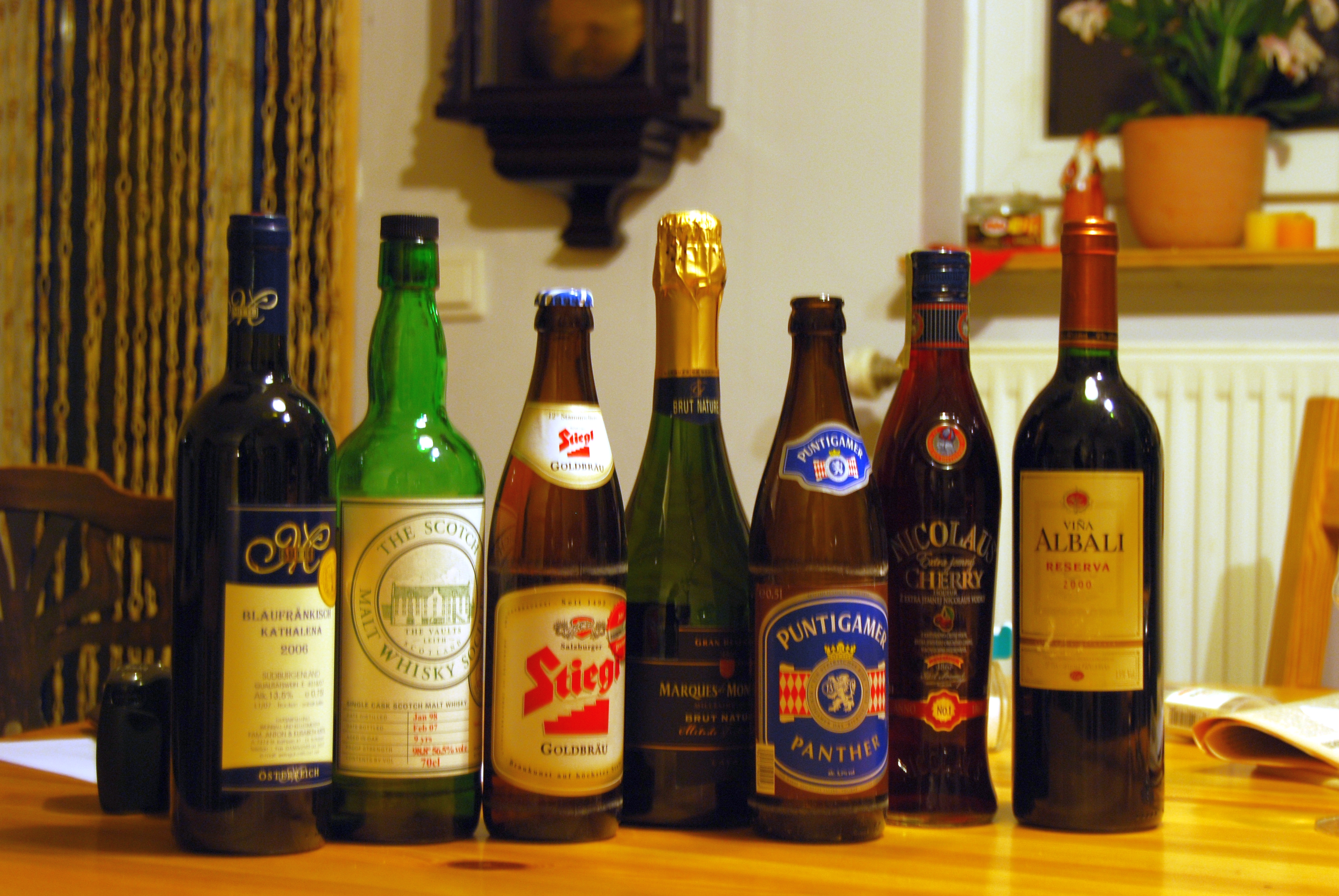
An alcoholic beverage is a drink that typically contains 3% ? 40% ethanol (commonly called alcohol). Alcoholic beverages are divided into three classes: beers, wines, and spirits (distilled beverages). They are legally consumed in most countries around the world. More than 100 countries have laws regulating their production, sale, and consumption.
In botany, a pome (after the Latin word for fruit: p?mum) is a type of fruit produced by flowering plants in the subtribe Malinae of the family Rosaceae.
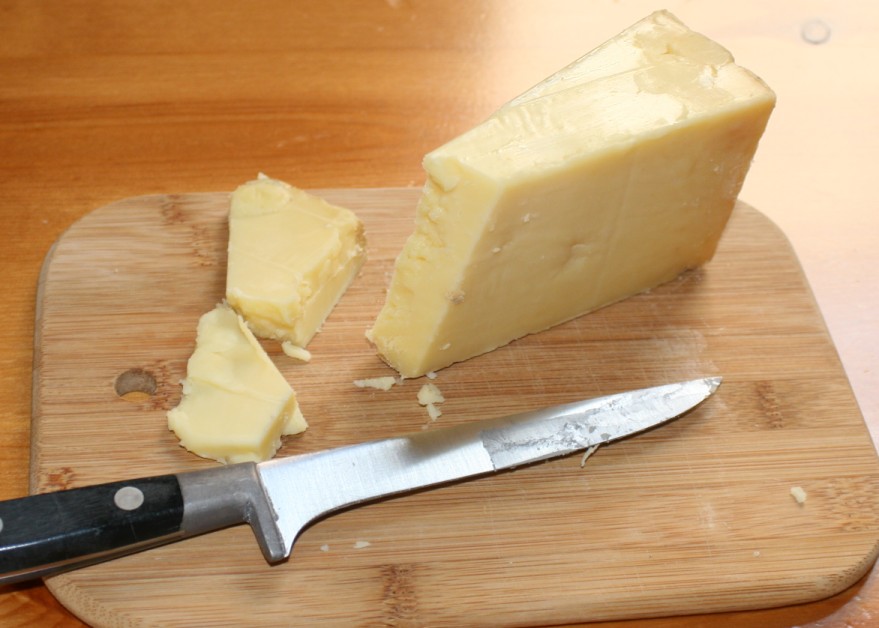
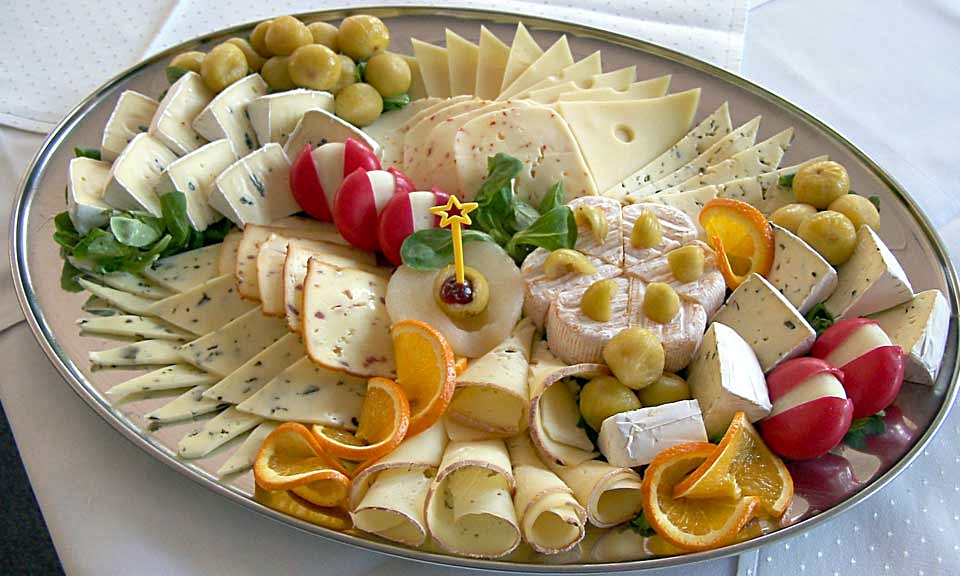
A dairy product is food produced from the milk of mammals. Dairy products are usually high energy-yielding food products. A production plant for the processing of milk is called a dairy or a dairy factory. Apart from breastfed infants, the human consumption of dairy products is sourced primarily from the milk of cows, yet goats, sheep, yaks, horses, camels, and other mammals are other sources of dairy products consumed by humans. Dairy products are commonly found in European, Middle Eastern, and Indian cuisine, whereas aside from Mongolian cuisine they are little-known in traditional Asian cuisine.

The molluscs or mollusks compose the large phylum of invertebrate animals known as the Mollusca. Around 85,000 extant species of molluscs are recognized. Molluscs are the largest marine phylum, comprising about 23% of all the named marine organisms. Numerous molluscs also live in freshwater and terrestrial habitats. They are highly diverse, not only in size and in anatomical structure, but also in behaviour and in habitat. The phylum is typically divided into 9 or 10 taxonomic classes, of which two are entirely extinct. Cephalopod molluscs, such as squid, cuttlefish and octopus, are among the most neurologically advanced of all invertebrates?and either the giant squid or the colossal squid is the largest known invertebrate species. The gastropods (snails and slugs) are by far the most numerous molluscs in terms of classified species, and account for 80% of the total.

Green bell peppers are members of the domesticated plant species <i>Capsicum annuum</i>. Green, yellow, orange and red bell peppers all belong to the same species, with the differences arising from the time at which they are harvested. Green bell peppers are bell peppers that have been harvested early. Yellow and orange bell peppers have been allowed more time to ripen, and red bell peppers are the most mature. <i>Capsicum annuum</i> is a domesticated species of the plant genus <i>Capsicum</i> native to southern North America and northern South America. The three species <i>C. annuum</i>, <i>C. frutescens</i> and <i>C. chinense</i> all evolved from a single common ancestor located somewhere in the northwest Brazil - Colombia area. <i>Capsicum annuum</i> is the most common and extensively cultivated of the five domesticated capsicums. The species is a source of popular "sweet peppers":http://en.wikipedia.org/wiki/Bell_peppers and "hot chilis":http://en.wikipedia.org/wiki/Chili_pepper with numerous varieties cultivated all around the world. In American English the plant is commonly known as a chili pepper or bell pepper. In British English, the sweet varieties are called red or green peppers and the hot varieties chillies, whereas in Australian and Indian English the name capsicum is commonly used for bell peppers exclusively and chilli is often used to encompass the hotter varieties. [Wikipedia] See a "list of capsicum cultivars":http://en.wikipedia.org/wiki/List_of_Capsicum_cultivars.

Yellow bell peppers are members of the domesticated plant species <i>Capsicum annuum</i>. Green, yellow, orange and red bell peppers all belong to the same species, with the differences arising from the time at which they are harvested. Green bell peppers are bell peppers that have been harvested early. Yellow and orange bell peppers have been allowed more time to ripen, and red bell peppers are the most mature. <i>Capsicum annuum</i> is a domesticated species of the plant genus <i>Capsicum</i> native to southern North America and northern South America. The three species <i>C. annuum</i>, <i>C. frutescens</i> and <i>C. chinense</i> all evolved from a single common ancestor located somewhere in the northwest Brazil - Colombia area. <i>Capsicum annuum</i> is the most common and extensively cultivated of the five domesticated capsicums. The species is a source of popular "sweet peppers":http://en.wikipedia.org/wiki/Bell_peppers and "hot chilis":http://en.wikipedia.org/wiki/Chili_pepper with numerous varieties cultivated all around the world. In American English the plant is commonly known as a chili pepper or bell pepper. In British English, the sweet varieties are called red or green peppers and the hot varieties chillies, whereas in Australian and Indian English the name capsicum is commonly used for bell peppers exclusively and chilli is often used to encompass the hotter varieties. [Wikipedia] See a "list of capsicum cultivars":http://en.wikipedia.org/wiki/List_of_Capsicum_cultivars.
Orange bell peppers are members of the domesticated plant species <i>Capsicum annuum</i>. Green, yellow, orange and red bell peppers all belong to the same species, with the differences arising from the time at which they are harvested. Green bell peppers are bell peppers that have been harvested early. Yellow and orange bell peppers have been allowed more time to ripen, and red bell peppers are the most mature. <i>Capsicum annuum</i> is a domesticated species of the plant genus <i>Capsicum</i> native to southern North America and northern South America. The three species <i>C. annuum</i>, <i>C. frutescens</i> and <i>C. chinense</i> all evolved from a single common ancestor located somewhere in the northwest Brazil - Colombia area. <i>Capsicum annuum</i> is the most common and extensively cultivated of the five domesticated capsicums. The species is a source of popular "sweet peppers":http://en.wikipedia.org/wiki/Bell_peppers and "hot chilis":http://en.wikipedia.org/wiki/Chili_pepper with numerous varieties cultivated all around the world. In American English the plant is commonly known as a chili pepper or bell pepper. In British English, the sweet varieties are called red or green peppers and the hot varieties chillies, whereas in Australian and Indian English the name capsicum is commonly used for bell peppers exclusively and chilli is often used to encompass the hotter varieties. [Wikipedia] See a "list of capsicum cultivars":http://en.wikipedia.org/wiki/List_of_Capsicum_cultivars.

Red bell peppers are members of the domesticated plant species <i>Capsicum annuum</i>. Green, yellow, orange and red bell peppers all belong to the same species, with the differences arising from the time at which they are harvested. Green bell peppers are bell peppers that have been harvested early. Yellow and orange bell peppers have been allowed more time to ripen, and red bell peppers are the most mature. <i>Capsicum annuum</i> is a domesticated species of the plant genus <i>Capsicum</i> native to southern North America and northern South America. The three species <i>C. annuum</i>, <i>C. frutescens</i> and <i>C. chinense</i> all evolved from a single common ancestor located somewhere in the northwest Brazil - Colombia area. <i>Capsicum annuum</i> is the most common and extensively cultivated of the five domesticated capsicums. The species is a source of popular "sweet peppers":http://en.wikipedia.org/wiki/Bell_peppers and "hot chilis":http://en.wikipedia.org/wiki/Chili_pepper with numerous varieties cultivated all around the world. In American English the plant is commonly known as a chili pepper or bell pepper. In British English, the sweet varieties are called red or green peppers and the hot varieties chillies, whereas in Australian and Indian English the name capsicum is commonly used for bell peppers exclusively and chilli is often used to encompass the hotter varieties. [Wikipedia] See a "list of capsicum cultivars":http://en.wikipedia.org/wiki/List_of_Capsicum_cultivars.
Red wine is a type of wine made from dark-colored (black) grape varieties. The actual color of the wine can range from intense violet, typical of young wines, through to brick red for mature wines and brown for older red wines. The juice from most purple grapes is greenish-white, the red color coming from anthocyan pigments (also called anthocyanins) present in the skin of the grape; exceptions are the relatively uncommon teinturier varieties, which produce a red-colored juice.Much of the red-wine production process therefore involves extraction of color and flavor components from the grape skin.
Mate is a traditional South American caffeine-rich infused drink.It is prepared by steeping dried leaves of yerba mate (Ilex paraguariensis, known in Portuguese as erva-mate) in hot water and is served with a metal straw from a shared hollow calabash gourd.The mate leaves are dried, chopped, and ground into a powdery mixture called yerba, "erva" in Portuguese, which means "herb".

White wine is a wine that is fermented without skin contact. The colour can be straw-yellow, yellow-green, or yellow-gold.It is produced by the alcoholic fermentation of the non-coloured pulp of grapes, which may have a skin of any colour.White wine is mainly from "white" grapes, which are green or yellow in colour, such as the Chardonnay, Sauvignon, and Riesling.
White mulberry trees that produce pure white fruit are rare. Typically, the fruits are white when immature, but gradually ripen to shades of pink or purple. They are a small variety, just a few centimeters long, and far sweeter than the black and red mulberries. They have a low acidity and a mild honey-like flavor. White mulberries are best when slightly overripe
Laurus nobilis is an aromatic evergreen tree or large shrub with green, glossy leaves, native to the Mediterranean region. It is one of the plants used for bay leaf seasoning in cooking. It is known as bay laurel, sweet bay, bay tree (esp. United Kingdom), true laurel, Grecian laurel, laurel tree or simply laurel. Laurus nobilis figures prominently in classical Greek, Roman, and Biblical culture.

Species of flowering plant

Hybrid flowering plant in the family Lamiaceae

Species of edible plant
Source
Compound data linked to PubChem CID 6590, public domain via NCBI. Culinary context + ingredient mappings are maintained by Foodgeist's enrichment fleet and continuously re-matched by the pairings engine. PubChem CID 6590