PubChem CID · CC0
ethyl octanoate
Foods containing this compound


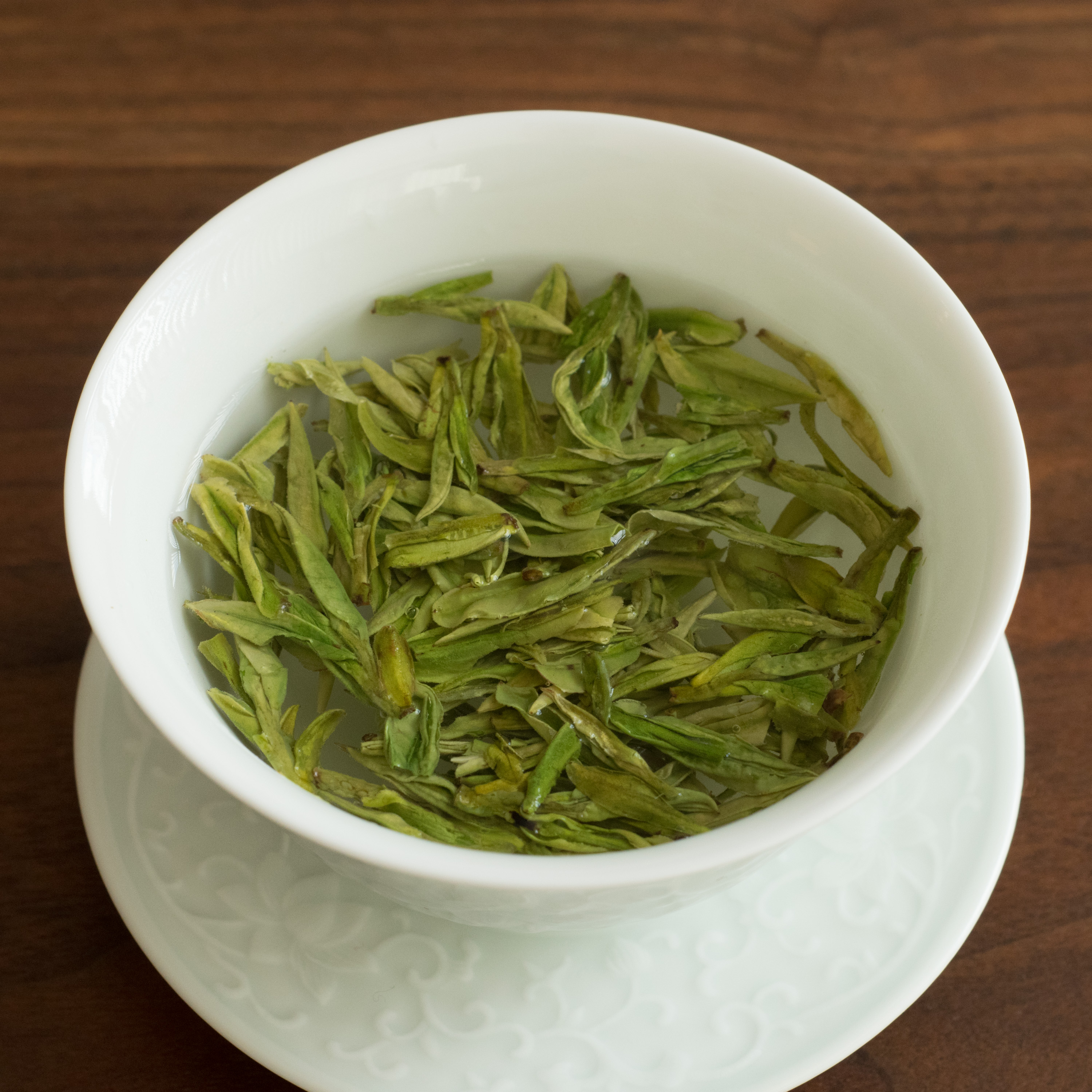
Tea is an aromatic beverage commonly prepared by pouring hot or boiling water over cured leaves of the tea plant, Camellia sinensis. After water, tea is the most widely consumed beverage in the world. It has a cooling, slightly bitter, and astringent flavour that many people enjoy.

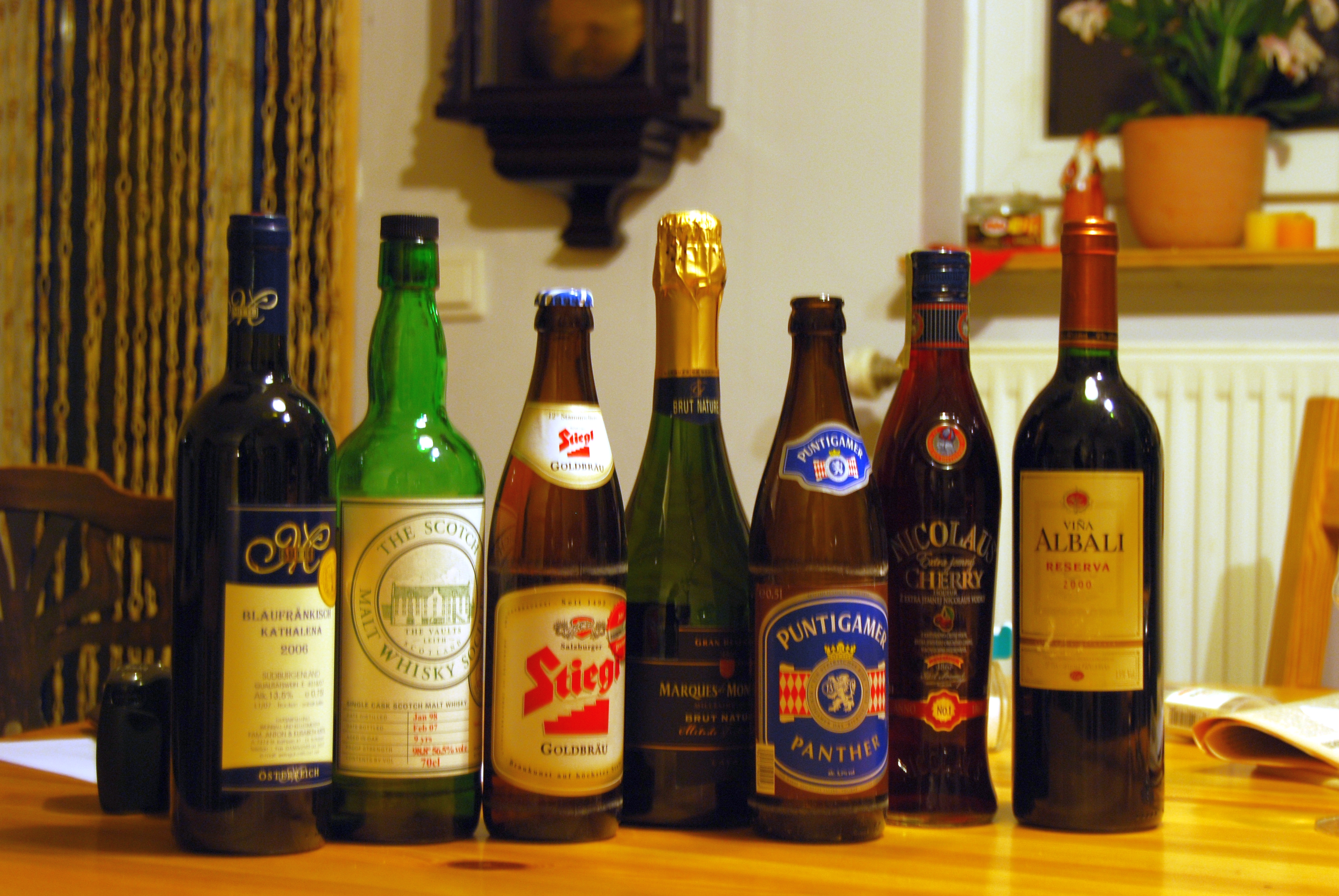
An alcoholic beverage is a drink that typically contains 3% ? 40% ethanol (commonly called alcohol). Alcoholic beverages are divided into three classes: beers, wines, and spirits (distilled beverages). They are legally consumed in most countries around the world. More than 100 countries have laws regulating their production, sale, and consumption.
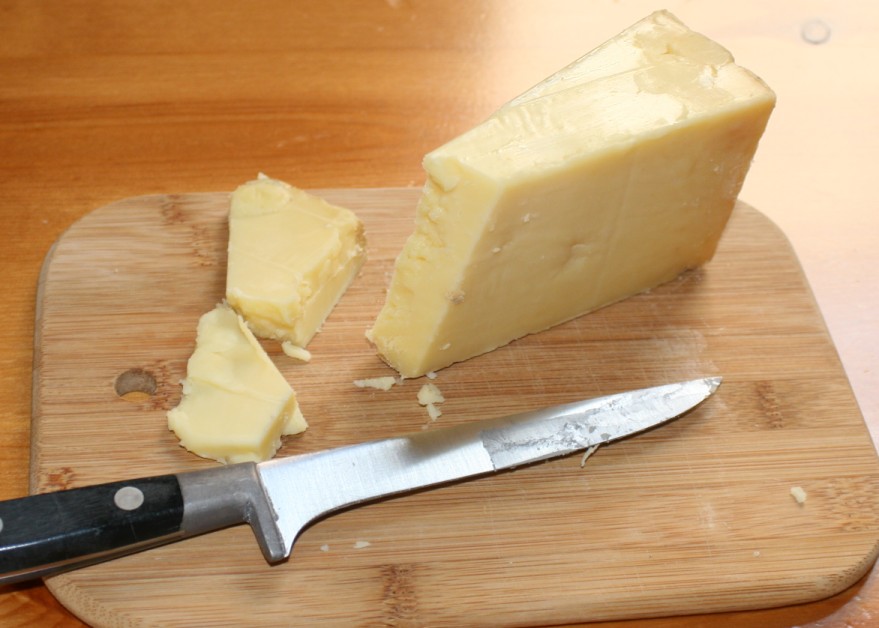
A dairy product is food produced from the milk of mammals. Dairy products are usually high energy-yielding food products. A production plant for the processing of milk is called a dairy or a dairy factory. Apart from breastfed infants, the human consumption of dairy products is sourced primarily from the milk of cows, yet goats, sheep, yaks, horses, camels, and other mammals are other sources of dairy products consumed by humans. Dairy products are commonly found in European, Middle Eastern, and Indian cuisine, whereas aside from Mongolian cuisine they are little-known in traditional Asian cuisine.

Rubus laciniatus, commonly called evergreen blackberry or cutleaf blackberry, is a species of blackberry that is native to Eurasia. It has been introduced to Australia and North America, and become a weed and highly invasive species in forested habitats in the United States and Canada, it is very difficult to control. Evergreen blackberry is a deciduous shrub that grows up to 3 meters tall with prickly shoots. The flowers are in clusters, the petals are pink or white. The fruits are shiny and black, similar to the common blackberry, with a unique and fruitier taste. The fruits are not true berries in the botanical sense. [Wikipedia]
Red wine is a type of wine made from dark-colored (black) grape varieties. The actual color of the wine can range from intense violet, typical of young wines, through to brick red for mature wines and brown for older red wines. The juice from most purple grapes is greenish-white, the red color coming from anthocyan pigments (also called anthocyanins) present in the skin of the grape; exceptions are the relatively uncommon teinturier varieties, which produce a red-colored juice.Much of the red-wine production process therefore involves extraction of color and flavor components from the grape skin.

White wine is a wine that is fermented without skin contact. The colour can be straw-yellow, yellow-green, or yellow-gold.It is produced by the alcoholic fermentation of the non-coloured pulp of grapes, which may have a skin of any colour.White wine is mainly from "white" grapes, which are green or yellow in colour, such as the Chardonnay, Sauvignon, and Riesling.


wine produced by fermentation of uncoloured grape juice without skin contact

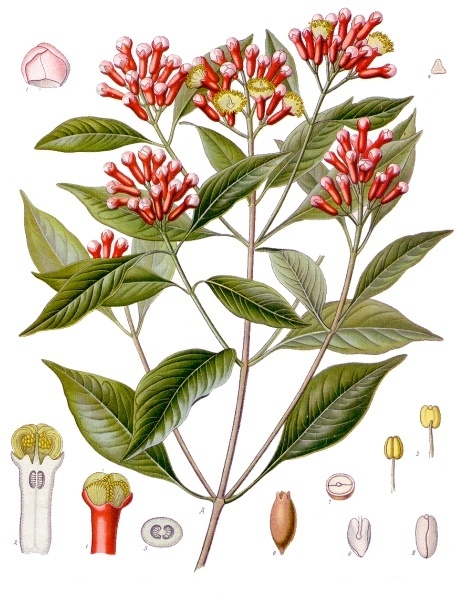
spice made from dried flowers of clove (Syzygium aromaticum)

fruit of Morinda citrifolia

fruit from Asimina triloba

wine produced by fermentation of uncoloured grape juice without skin contact

Spice made from flower buds
Source
Compound data linked to PubChem CID 7799, public domain via NCBI. Culinary context + ingredient mappings are maintained by Foodgeist's enrichment fleet and continuously re-matched by the pairings engine. PubChem CID 7799