Campesterol
Molecular structure
Foods containing this compound




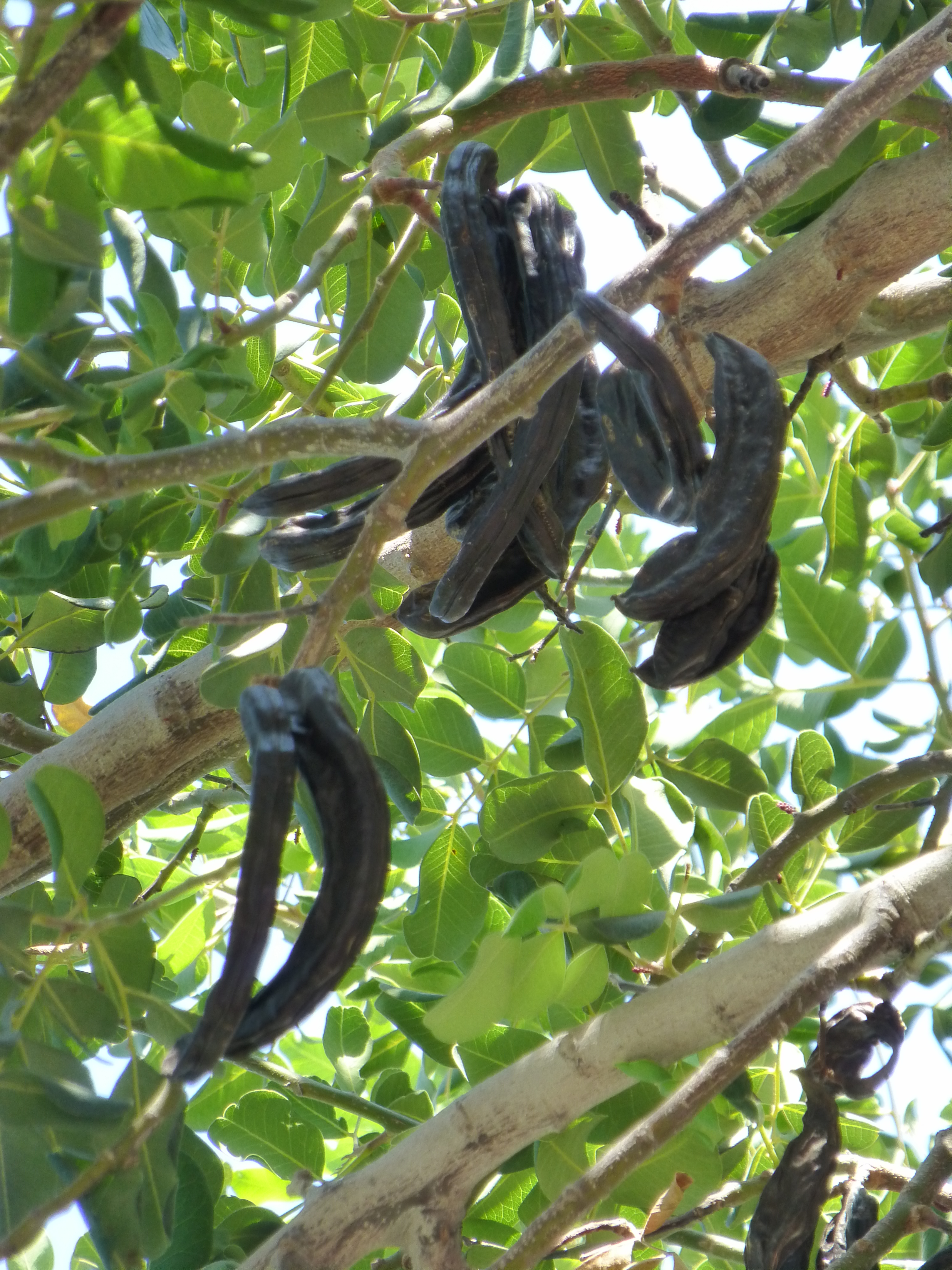
Ceratonia siliqua, commonly known as the carob tree and St John's-bread, is a species of flowering evergreen shrub or tree in the pea family, Fabaceae. It is widely cultivated for its edible pods, and as an ornamental tree in gardens. The ripe, dried pod is often ground to carob powder which is used as a substitute for cocoa powder.
The cherimoya, also spelled chirimoya, is the fruit of the species Annona cherimola, which generally is thought to be native to the Andes, although an alternative hypothesis proposes Central America as the origin of cherimoya because many of its wild relatives occur in this area. Today cherimoya is grown throughout South Asia, Central America, South America, Southern California and southern Andalucia [La Axarquia].
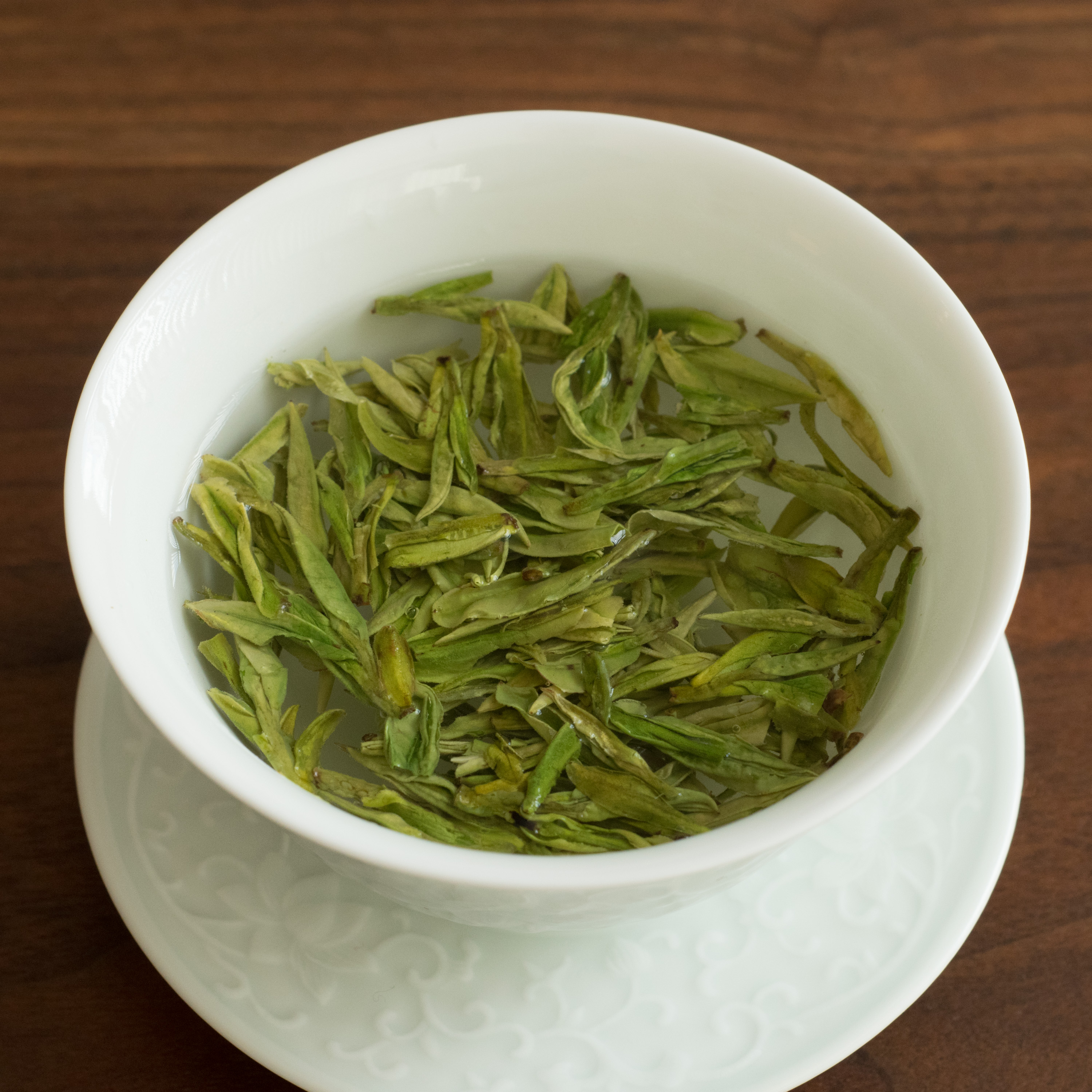
Tea is an aromatic beverage commonly prepared by pouring hot or boiling water over cured leaves of the tea plant, Camellia sinensis. After water, tea is the most widely consumed beverage in the world. It has a cooling, slightly bitter, and astringent flavour that many people enjoy.
The roselle (Hibiscus sabdariffa) is a species of Hibiscus native to the west Africa, used for the production of bast fibre and as an infusion. It is an annual or perennial herb or woody-based subshrub, growing to 2?2.5 m (7?8 ft) tall. The leaves are deeply three- to five-lobed, 8?15 cm (3?6 in) long, arranged alternately on the stems.

Soursop is the fruit of Annona muricata, a broadleaf, flowering, evergreen tree native to Mexico, Cuba, Central America, the Caribbean and northern South America: Colombia, Brazil, Peru, Ecuador and Venezuela. Soursop is also produced in Somalia. Today, it is also grown in some areas of Southeast Asia, as well as in some Pacific islands. It was most likely brought from Mexico to the Philippines by way of the Manila-Acapulco Galleon trade. It is in the same genus as the chirimoya and the same family as the pawpaw. Soursop, raw, edible parts Nutritional value per 100 g Energy 276 kJ Carbohydrates 16.84 g - Sugars 13.54 g - Dietary fiber 3.3 g Fat 0.30 g Protein 1.00 g Vitamin A equiv. 0 μg (0%) Thiamine (vit. B1) 0.070 mg (6%) Riboflavin (vit. B2) 0.050 mg (4%) Niacin (vit. B3) 0.900 mg (6%) Vitamin B6 0.059 mg (5%) Folate (vit. B9) 14 μg (4%) Vitamin C 20.6 mg (25%) Calcium 14 mg (1%) Iron 0.6 mg (5%) Magnesium 21 mg (6%) Phosphorus 27 mg (4%) Potassium 278 mg (6%) Zinc 0.1 mg (1%) Percentages are relative toUS recommendations for adults. The soursop is adapted to areas of high humidity and relatively warm winters; temperatures below 5 °C will cause damage to leaves and small branches, and temperatures below 3 °C can be fatal. The fruit becomes dry and is no longer good for concentrate. Other common names include: Evo, Aluguntugui guanábana, graviola, anona, corossol, sorsaka, adunu, Brazilian pawpaw, guyabano, guanavana, toge-banreisi, durian benggala, nangka blanda, sirsak, zuurzak and nangka londa. In Malayalam, it is called mullaatha, literally thorny custard apple. The other lesser-known Indian names are shul-ram-fal and Lakshmana Phala. and in Harar (Ethiopia) in Harari language known for centuries as Amba Shoukh (Thorny Mango or Thorny Fruit). The flavour has been described as a combination of strawberry and pineapple, with sour citrus flavour notes contrasting with an underlying creamy flavour reminiscent of coconut or banana.
Watermelon (Citrullus lanatus, family Cucurbitaceae) is a vine-like (scrambler and trailer) flowering plant originally from southern Africa. Its fruit, which is also called watermelon, is a special kind referred to by botanists as a pepo, a berry which has a thick rind and fleshy center (mesocarp and endocarp). Pepos are derived from an inferior ovary, and are characteristic of the Cucurbitaceae. The watermelon fruit, loosely considered a type of melon – although not in the genus Cucumis – has a smooth exterior rind (green, yellow and sometimes white) and a juicy, sweet interior flesh (usually deep red to pink, but sometimes orange, yellow and even green if not ripe).

The loquat (Eriobotrya japonica) is a species of flowering plant in the family Rosaceae, native to south-central China. It is a large evergreen shrub or small tree, grown commercially for its yellow fruit, and also cultivated as an ornamental plant.

Bulgur (also bulghur, burghul or bulgar) is a cereal food made from several different wheat species, most often from durum wheat. In the United States it is most often made from white wheat. Its use is most common in Middle Eastern cuisine, Iran, Turkey, Greece, Armenia and Bulgaria. In India it is called Lapsi. [Wikipedia]

Cooking oil is any fat that is used for cooking and is usually liquid at room temperature. Cooking oil may be of plant or animal origin. Types of cooking oil include: ghee, olive oil, palm oil, soybean oil, canola oil, pumpkin seed oil, corn oil, sunflower oil, safflower oil, peanut oil, grape seed oil, sesame oil, argan oil, rice bran oil and other vegetable oils. [Wikipedia] See also a "list of vegetable oils":http://en.wikipedia.org/wiki/List_of_vegetable_oils
Sunflower (Helianthus annuus) is an annual plant native to the Americas. It possesses a large inflorescence (flowering head), and its name is derived from the flower's shape and image, which is often used to depict the sun. The plant has a rough, hairy stem, broad, coarsely toothed, rough leaves and circular heads of flowers. The heads consist of many individual flowers which mature into seeds, often in the hundreds, on a receptacle base. From the Americas, sunflower seeds were brought to Europe in the 16th century, where, along with sunflower oil, they became a widespread cooking ingredient. Leaves of the sunflower can be used as cattle feed, while the stems contain a fibre which may be used in paper production.

Illicium verum, commonly called Star anise, star aniseed, or Chinese star anise is a spice that closely resembles anise in flavor, obtained from the star-shaped pericarp of Illicium verum, a medium-sized native evergreen tree of northeast Vietnam and southwest China. The star shaped fruits are harvested just before ripening.
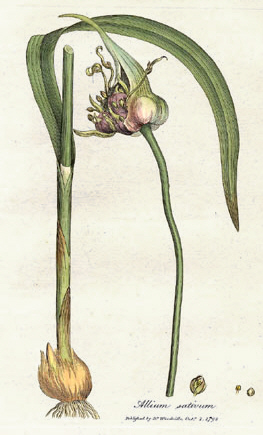


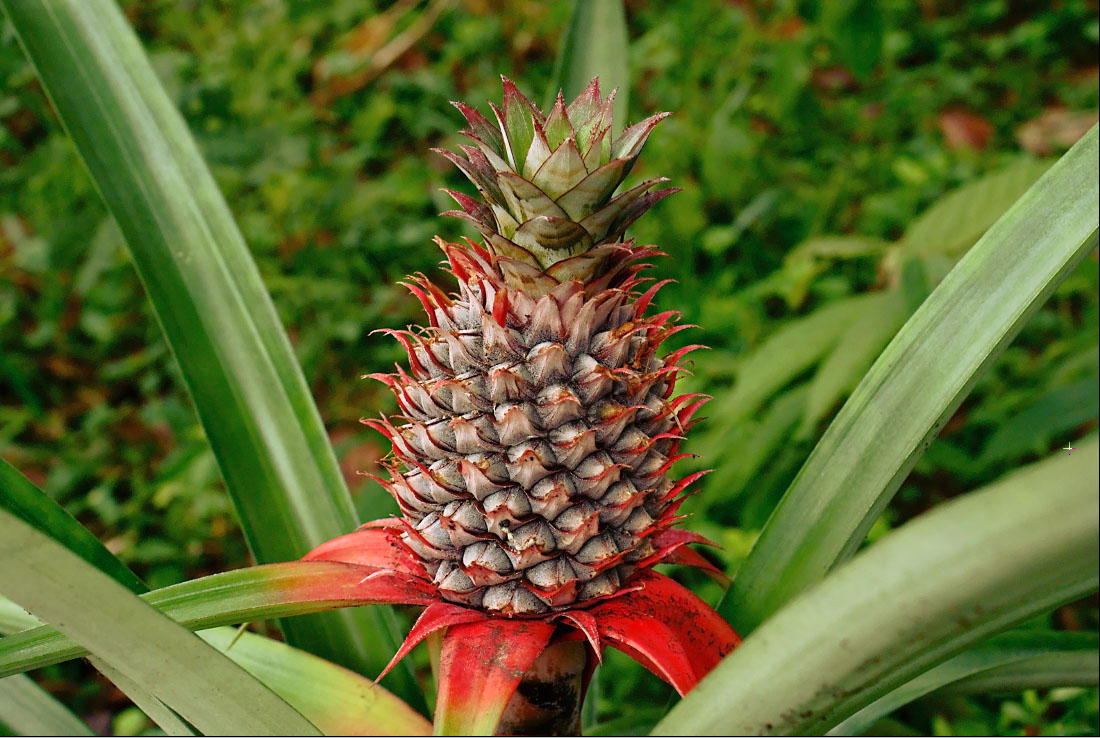


cereal grain

female flowers of Humulus lupulus

dairy product

Small shrub in the Heath family

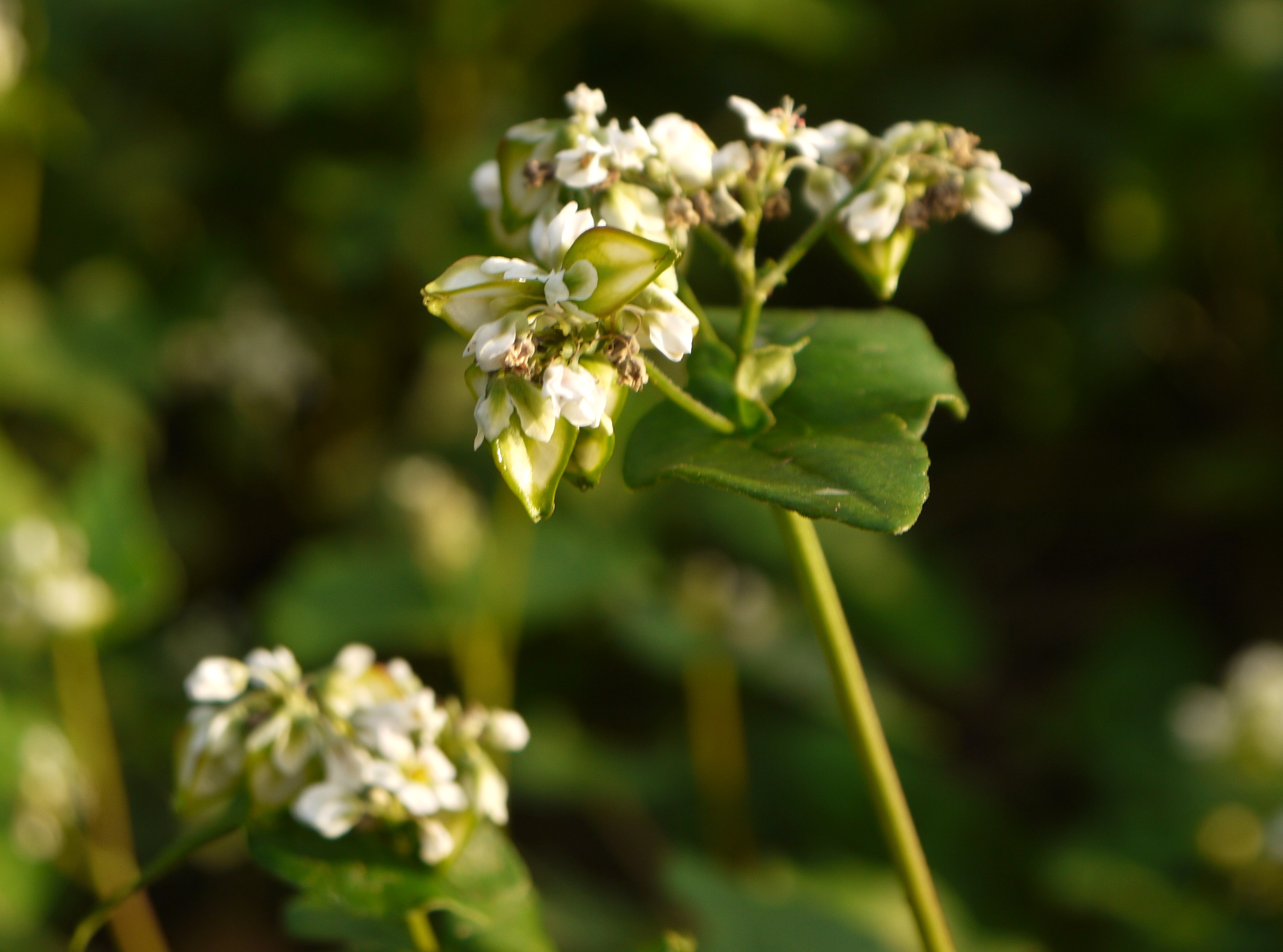
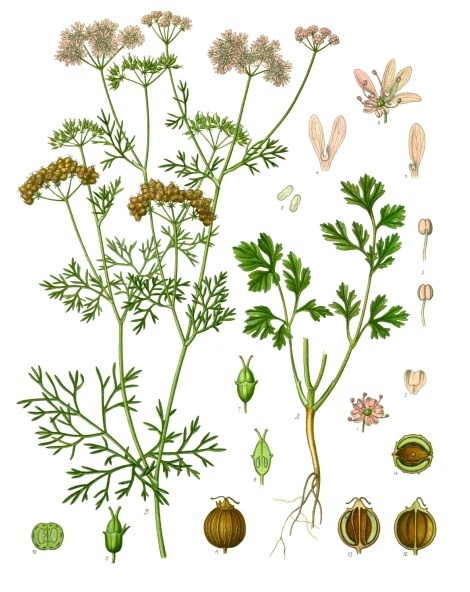
Flowering plant species in the carrot family

Species of edible plant
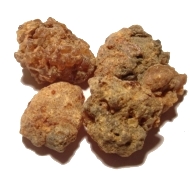
Aromatic resin from the Commiphora myrrha tree
Verified Data
Compound identity and culinary context are continuously cross-referenced across open scientific databases and maintained by Foodgeist's enrichment pipeline.
The Geist can be wrong. Some flavor, taste, and pairing values are model-predicted, not lab-measured.